




Aurora, Continental and Nvidia Announce Autonomous Truck Partnership
Aurora, Continental and Nvidia announced a new partnership aimed at deployment of autonomous trucks at scale at CES 2025 in Las Vegas.

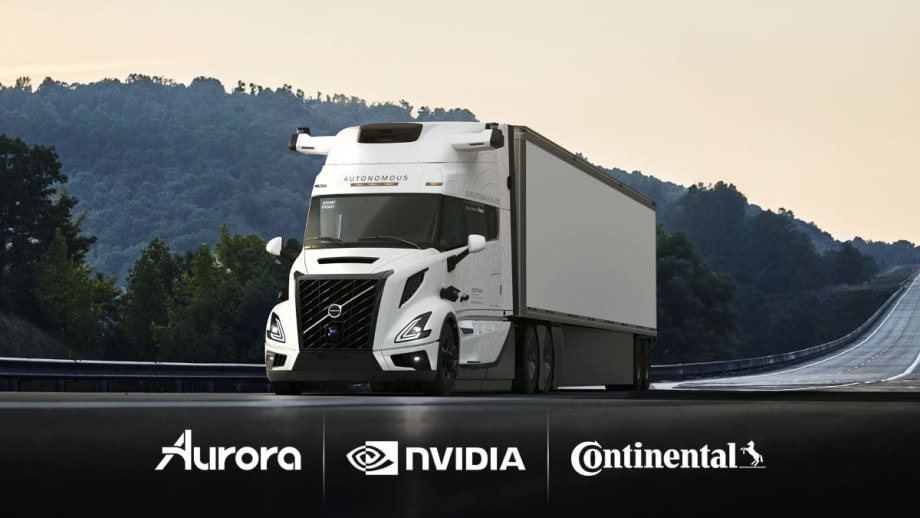
Aurora, Continental and Nvidia have formed a partnership to develop autonomous trucks at scale.
Photo: Aurora
Aurora,Continental, and Nvidia have announced a long-term strategic partnership to deploy driverless trucks at scale.
The announcement came at CES 2025 in Las Vegas.
Aurora and Continental announced their autonomous truck partnership at CES 2024 last year.
The new autonomous trucks will be powered by the next-generation Nvidia Drive Thor system-on-a-chip (SoC).
Nvidia’s Drive Thor and DriveOS will be integrated into the Aurora Driver. That is Aurora’s proprietary SAE L4 autonomous driving system.
Continental plans to mass-manufacture Aurora Driver beginning in 2027.
An Industry-First Partnership
“Delivering one driverless truck will be monumental,” said Chris Urmson, CEO and co-founder at Aurora. “Deploying thousands will change the way we live,”. “NVIDIA is the market leader in accelerated computing, and they’ll strengthen our ecosystem of partners and our ability to deliver safe and reliable driverless trucks to our customers at scale.”
“Developing, industrializing, and manufacturing powerful self-driving hardware at commercial scale requires unique and unparalleled expertise,” added Aruna Anand, president & CEO, Automotive, Continental North America. “Our industry-first collaboration with Aurora and Nvidia to deliver driverless trucks positions Continental at the forefront of this cutting-edge technology and will drive value to our business.”
“The combination of Nvidia’s automotive-grade Drive Thor platform with Aurora’s advanced self-driving trucking technology and Continental’s manufacturing and integration expertise is set to help drive the future of autonomous trucking, helping make roads safer while driving up operational efficiency,” noted Rishi Dhall, vice president of automotive at Nvidia.
Safe, Reliable Autonomous Trucks
Aurora is in the final stages of validating the Aurora Driver for driverless operations on public roads.
The company said its Aurora Driver system is equipped with a powerful computer and sensors, including lidar, radar, and cameras, enabling it to safely operate at highway speeds.
Verifiable AI enables the Aurora Driver to quickly adapt to new operating domains while being validated through Aurora's Safety Case, an essential tool for regulatory trust and public acceptance.
Aurora plans to launch its driverless trucking service in Texas in April 2025.
Nvidia will power the primary computer of the Aurora Driver with a dual Nvidia Drive Thor SoC configuration that runs DriveOS.
Drive Thor, built on the Nvidia Blackwell architecture, is designed to accelerate inference tasks critical for autonomous vehicles to understand and navigate the world around them.
As Continental and Aurora prepare to manufacture self-driving hardware at scale in 2027, production samples of Drive Thor are coming in the first half of 2025.
Although known for its long history has a Tier 1 tire OEM, Continental has emerged as of the world’s largest automotive suppliers.
And now, the company is developing a reliable, serviceable, cost-efficient generation of the Aurora Driver hardware, specifically for high-volume manufacturing.
The company is also developing a specialized independent secondary system that can take over operation if a failure occurs in the primary Aurora Driver computer.
With start of production planned for 2027, Continental will test prototypes of the future hardware kit in the coming months.
Continental will then integrate Drive Thor with DriveOS into the primary Aurora Driver computer at its manufacturing facilities and ship the full hardware kit to Aurora’s truck OEM partners for integration into customers’ trucks.
More Equipment

How GP Transco Cuts Trucking Fuel Costs, a Tenth of a Gallon at a Time
What’s another tenth of a mile per gallon worth? GP Transco shares how equipment upgrades and driver coaching turn small gains into meaningful fuel savings.
Read More →
Electric Yard Tractors Move Beyond Pilots
Operating-cost savings have overtaken sustainability goals as the leading reason surveyed fleets are adopting battery-electric terminal tractors, according to new NACFE research.
Read More →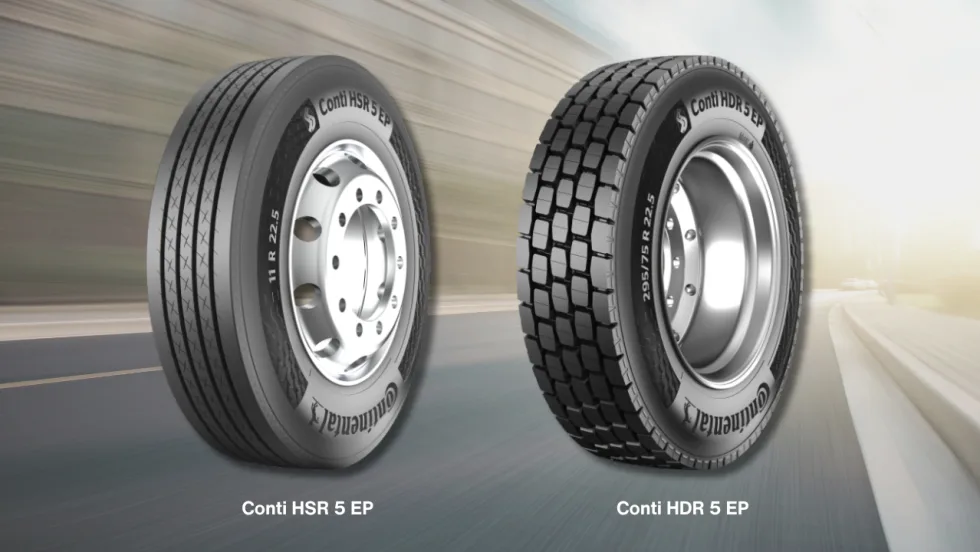
Continental Introduces New Regional Truck Tires
Continental says its new Generation 5 steer and drive tires for regional operations offer longer tread life, with estimated mileage gains of 22% and 19%, respectively.
Read More →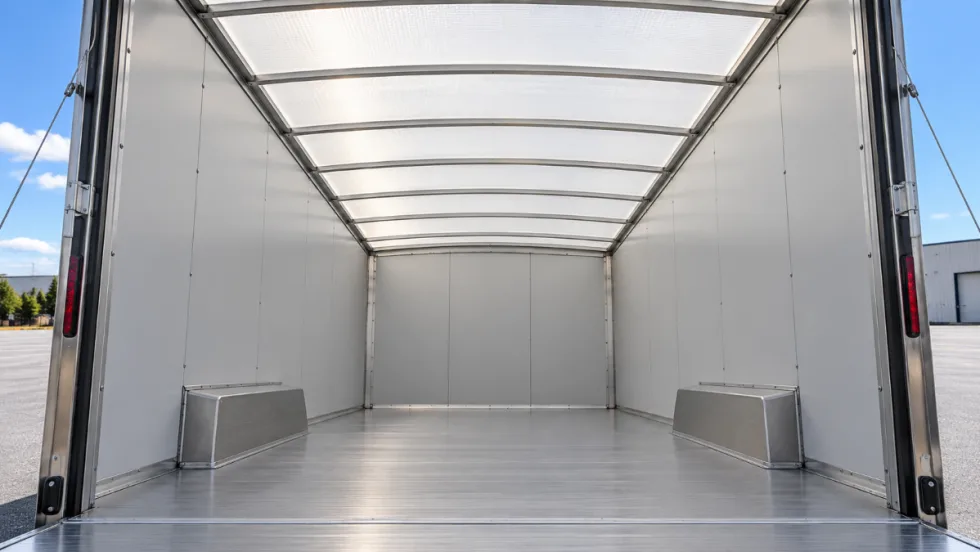
Tekmodo Introduces CargoBright Brand for Translucent Trailer Roofs
CargoBright is designed to diffuse daylight across the cargo area while performing as a working vehicle roof.
Read More →
Fleet Economics Shape Electric Truck Outlook
ACT Research expects costs, charging infrastructure, and technology improvements to drive zero-emission commercial vehicle adoption as federal regulations and incentives retreat.
Read More →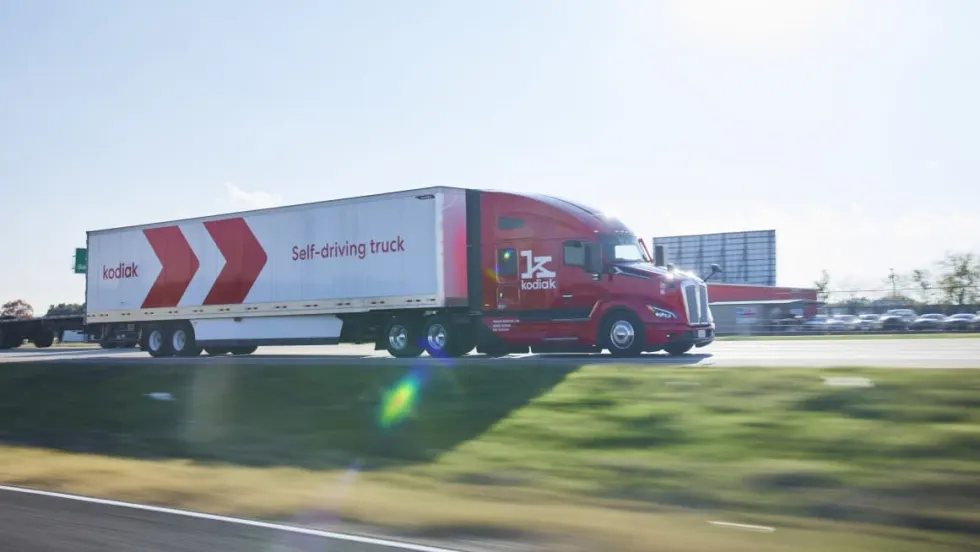
Kodiak Targets Dallas–Houston for Driverless Trucks
The company says its autonomous trucks are completing the I-45 run without a safety observer taking control. It plans to remove the observer by the end of 2026.
Read More →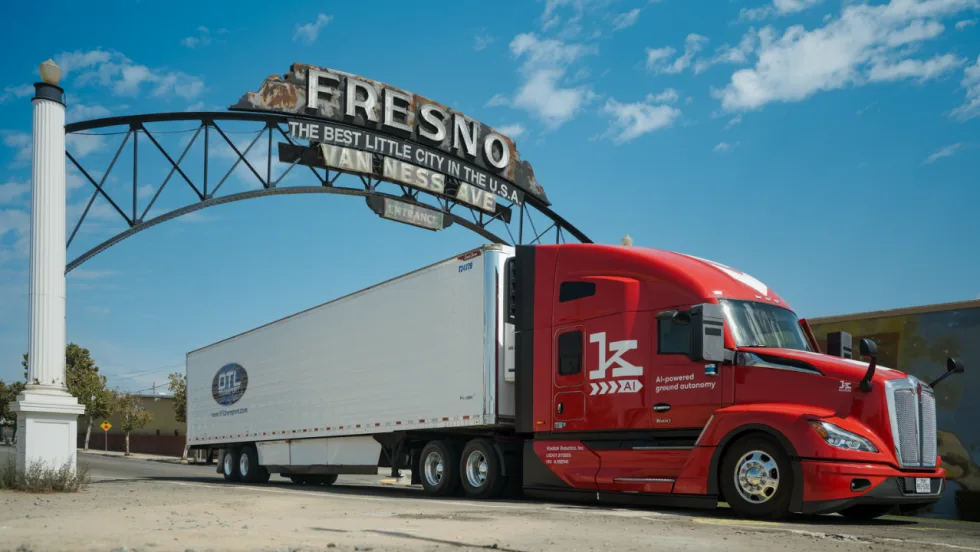
Kodiak Hauls Produce in California Autonomous Truck Pilot
Kodiak AI and DTL Transport have begun hauling produce between Fresno and Los Angeles under California’s new rules for testing heavy-duty autonomous trucks. A safety driver remains behind the wheel.
Read More →
Used-Truck Remarketing Math Is Changing
Used-truck value is no longer just a concern at trade-in. Decisions made throughout a truck’s first life can influence what it’s worth years later.
Read More →
How Volvo Updated Its D13 for EPA 2027 [Watch]
Volvo’s updated D13 promises lower emissions without sacrificing performance or fuel economy. Take a closer look at what changed inside the engine in this HDT Spotlight video.
Read More →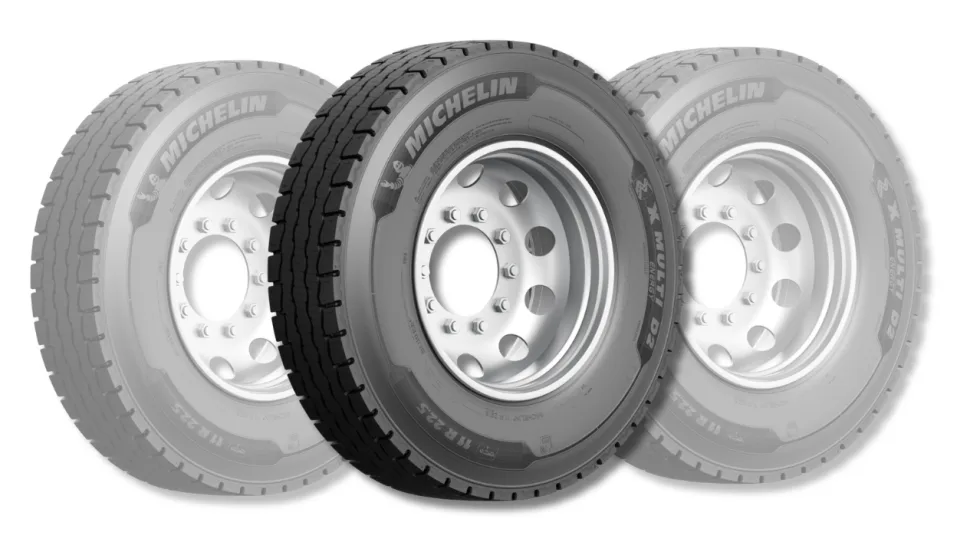
Michelin Tire Improves Efficiency and Durability for Regional Fleets
The Michelin X Multi Energy D2 is a regional haul drive tire engineered to help fleets improve fuel efficiency, durability and traction in demanding stop-and-go operations.
Read More →