




"All Eyes on the Economy" Panel Offers Insights into Trucking, Energy, Growth
A panel of economic experts said while economic growth will still be too slow to make a dent in unemployment numbers, they don't see the United States sliding into a double-dip recession - and trucking can outperform the macro economy, especially if manufacturing continues to grow as it has been

A panel of economic experts said while economic growth will still be too slow to make a dent in unemployment numbers, they don't see the United States sliding into a double-dip recession - and trucking can outperform the macro economy, especially if manufacturing continues to grow as it has been.
The panel, "All Eyes on the Economy," was held during the American Trucking Association's annual Management Conference and Exhibition in Dallas and was moderated by Stuart Varney of Fox News, who declared that "trucking, in my opinion, is the best indicator for what's coming in the general economy."
In dismissing the likelihood of a double-dip recession, Martin Regalia, economic forecaster for the U.S. Chamber of Commerce, noted that many people were spooked by slower economic growth caused by the earthquake in Japan, floods in the Midwest, uprisings around the Mediterranean. "I think we're going to reaccelerate to the 2.25, 2.5% range over the next year," he said, referring to predictions for GDP growth, but noted that's not enough to create job growth.
What Government Can Do
Varney noted that "government gridlock is a major issue of contention and concern," and asked Regalia what the government can - and should - do to help the economy. Regalia listed five things:
1. Get trade agreements signed and operative, which they have started doing. "We're losing market share to competitors around the world," Regalia said.
2. Get the energy sector going again. There are projects not being done because they are waiting for government permits.
3. Make it easier for international travelers to come to this country and spend their tourism and vacation money while the dollar is weak.
4. Focus on infrastructure - not simply more spending, but better spending and better prioritization.
5. A better tax system, one that's more efficient and promotes growth.
Trucking
While acknowledging that the recovery is "choppy," especially for some sector of trucking, ATA Chief Economist Bob Costello pointed out that while the industry isn't back to where it was before the recession, "we have come back nicely."
Following on Varney's remark about trucking as an economic indicator, Costello said the industry has forecast recessions that didn't happen, but that the country has never had a recession that trucking did not predict. As a result, he feels confident we are not headed back into another recession.
He pointed out, for instance, that truckload volumes fell 23% during the recession but are back up about 10%. The industry shed itself of excess capacity after freight leveld plummeted; the number of tractors in the truckload industry is down 20% from where it was before the recession. In fact, Costello said, "if we are wrong and the economy takes off, I really don't think there are enough trucks out there to haul all the freight that would need to be hauled." Because of this tighter capacity, revenue per mile is increasing, he said. For large truckload carriers they are up 9.1% since January 2009; for small TL fleets, 3.2%.
Costello is not expecting fleets to add capacity quickly, but he did say there is a lot of activity now and in the future when it comes to replacing aging trucks in the fleets. The average age of a Class 8 truck is now nearly 7 years, and once trucks get past the half-million-mile mark, there is typically an enormous jump in maintenance costs. Of course, this is easier said than done, he noted, as we've seen the average price of a Class 8 truck rise about $30,000 over the past five years. Other capacity constraints include government regulations and the fact that carriers are already seeing the beginning of what Costello says will be the worst driver shortage the industry has ever seen.
Energy
Energy, of course, especially the price of oil and diesel, is a concern for the trucking industry as well as the general economy. John Felmy, American Petroleum Institute, shared his organization's belief that the government could do much to stimulate the economy as well as moving toward energy self-sufficiency.
When asked by Varney whether we truly could achieve the latter, Felmy said, "I think we can get close." New technologies have allowed the U.S. to access a massive amount of natural gas, as well as new oil sources in North Dakota and in deep water, he said. "If we were as a country focused on developing energy, as Marty said, we could double crude oil production, increase natural gas production by 60%, import oil from Canada through the new pipeline that needs to be finished. With that, along with biofuels, we could be 100% self sufficient in North America."
While crude oil prices rose sharply in the spring, rising as high as $113 per barrel, they recently fell to $75 and then back up to $86. What future prices will do, Felmy says, will largely depend on the European Union financial situation and other global supply and demand factors. The International Energy Agency, he noted, has predicted record demand for this year.
Felmy warned the audience to look out for a couple of things when it comes to demand issues that could drive up the cost of diesel fuel.
One, in some states in the Northeast, heating oil suppliers have pushed through some mandates for ultra-low-sulfur heating oil - essentially the same thing as ULSD diesel fuel. So that could lead to a surge in demand this winter.
Two, late last year, the federal government decided to sell its 2 million barrels of heating oil in the Strategic Petroleum Reserve. The government announced just recently it would start refilling that reserve, and that's more additional potential demand.
More Fleet Management
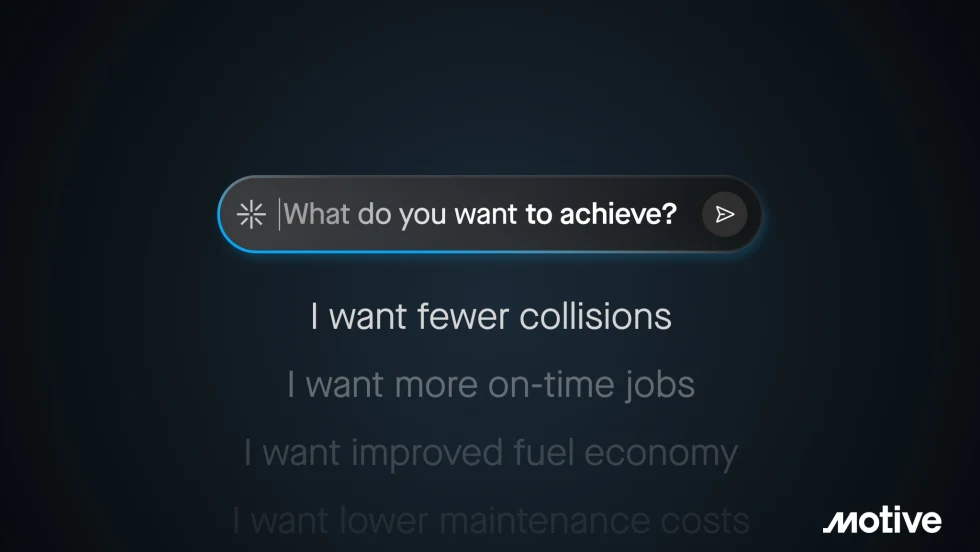
Motive Adds AI Agents for Fleet Operations
New tools automate follow-up on fleet data, from maintenance work orders to driver alerts, with two-way voice conversations planned for later this year.
Read More →
Can You Beat Our Trucking Trivia Challenge?
Test your truck knowledge with 19 trivia questions from Heavy Duty Trucking Exchange. Can you keep up with the fleet pros?
Read More →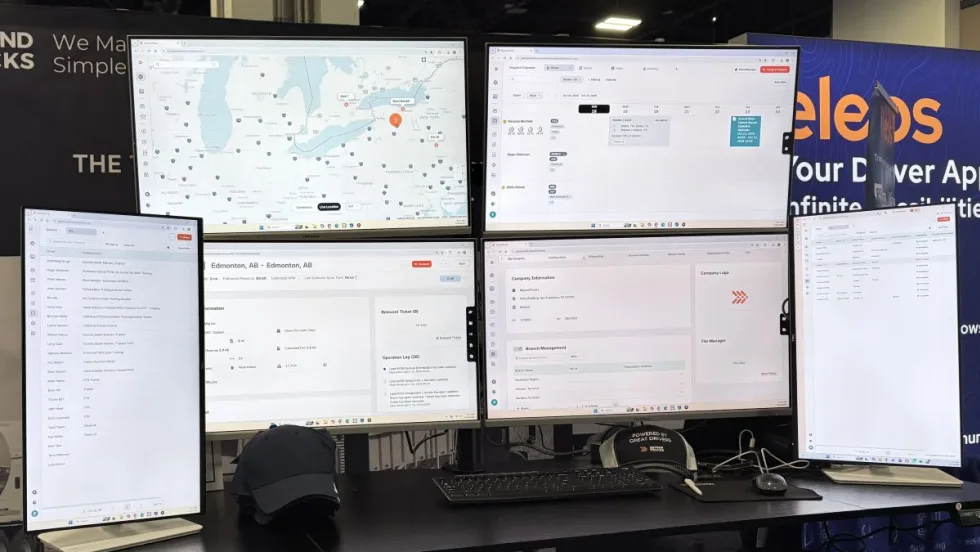
BeyondTrucks Adds Rules Checks to Dispatch
New Compatibility Engine checks driver qualifications, equipment requirements and fleet policies before loads are dispatched.
Read More →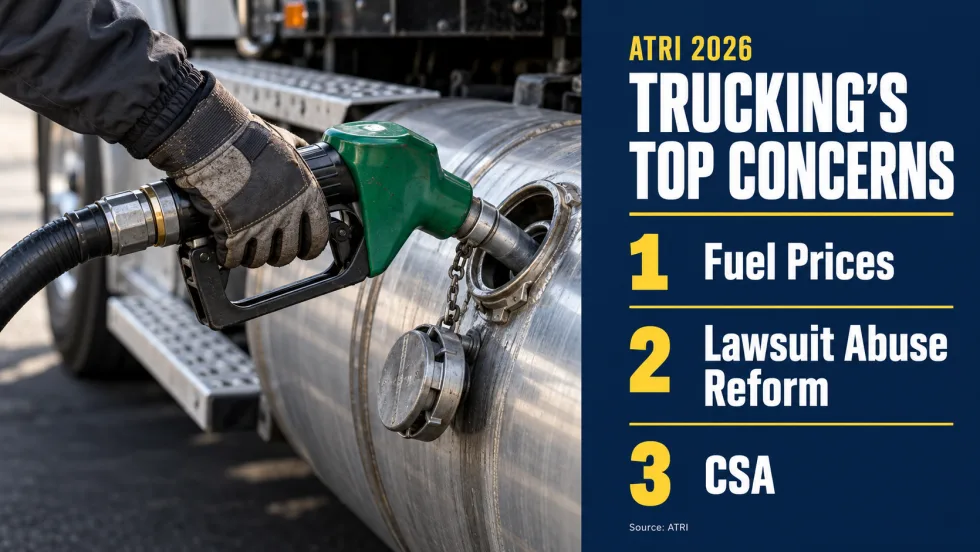
Diesel Prices Hijack Trucking’s Worry List
ATRI’s annual survey finds cautious optimism about freight, but diesel costs, litigation, and insurance continue to squeeze fleets. Drivers have different priorities on several issues.
Read More →
Nomination Deadline Extended for HDT Emerging Leaders
Just a few more days to nominate accomplished trucking fleet professionals under 40 who are making an impact and helping lead the industry forward for the HDT Emerging Leaders award. Deadline extended to October 20!
Read More →
What Will ATA’s New Leader Bring to Trucking's Table?
Incoming President and CEO Mark Colson’s record in Alabama offers clues about his priorities and approach following Chris Spear’s abrupt departure as the head of the American Trucking Associations.
Read More →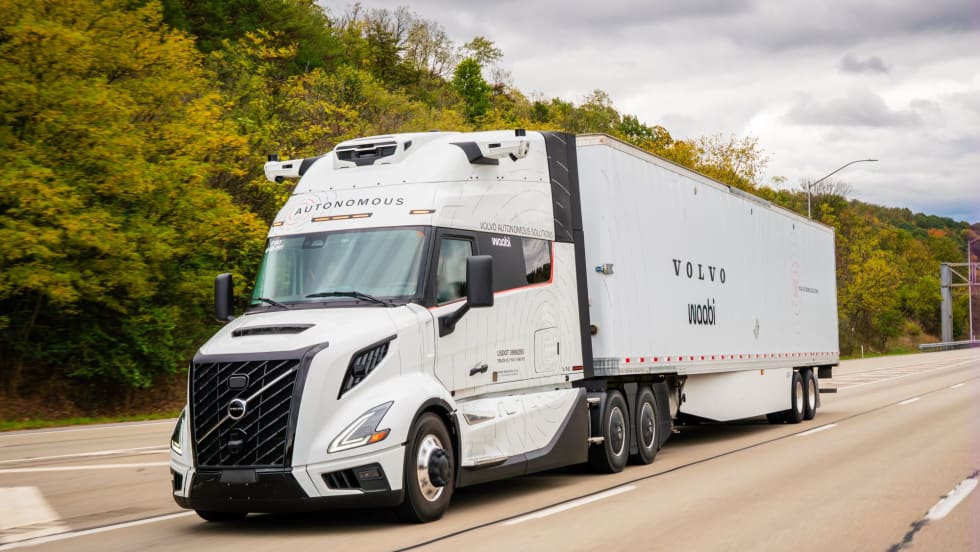
Volvo, Waabi Start Commercial Autonomous Operations in Texas
Volvo VNL Autonomous trucks, powered by the Waabi Driver, are hauling freight directly to third-party facilities for a customer in Texas.
Read More →
Samsara Launches Custom AI Agent Builder
Agent Studio lets fleets create AI tools for hours-of-service monitoring, reporting and driver support, including agents that communicate by phone.
Read More →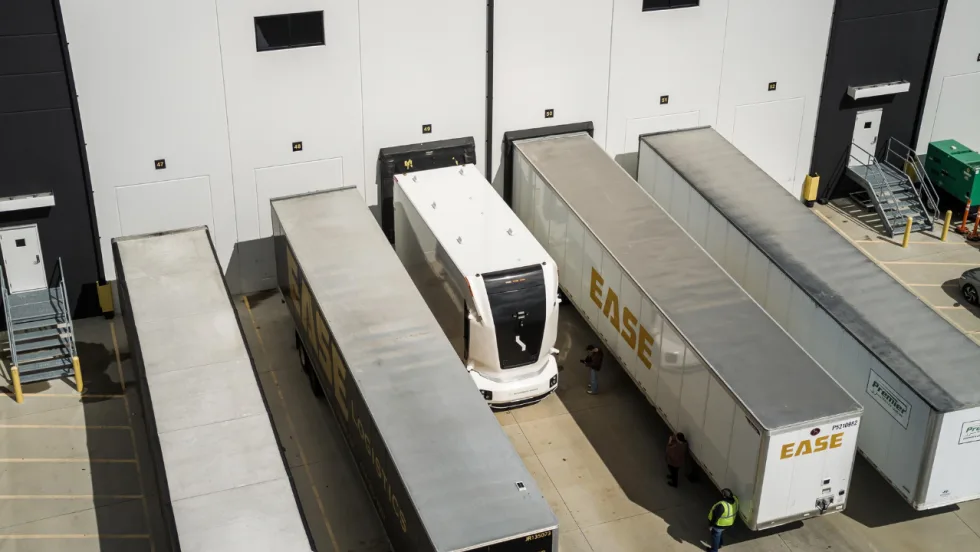
Einride Driverless Electric Trucks Begin Daily Freight Operations in Ohio
Two cabless electric trucks are hauling freight between EASE Logistics facilities in Marysville, Ohio, as part of a multi-state truck automation project.
Read More →
Geotab Links Fleet Card to Vehicle Data
The new card combines fuel discounts with telematics-based purchase controls. Geotab’s analysis also points to potential savings from choosing lower-priced fuel stops.
Read More →