




Tire Report: Automatic Tire Inflation Systems Guard Against Premature Failure
Next to the click-click-click sound of your starter on a cold winter morning, a trucker's most dreaded sound has to be the hiss of a slowly deflating tire


In many cases, the cost of two or three service calls will pay for an automatic tire inflation system.
Next to the click-click-click sound of your starter on a cold winter morning, a trucker's most dreaded sound has to be the hiss of a slowly deflating tire.
A tire pressure monitoring system might have sent an alert to the cab and bought the driver a little more time, but an automatic tire inflation system would already be on the job keeping that tire inflated to at least running pressure.
If nothing else, ATIS buys time. At best, they'll keep tires properly inflated even when the only problem is oxygen permeation and lack of care and attention.
The care and attention thing is key. How much do you spend on tire maintenance, including regular yard-pressure-checks? While curbing or road debris are responsible for the occasional on-road tire failure, properly inflated tires seldom come apart on their own.
Underinflated tires are a different matter. Underinflation allows the sidewall of the tire to flex more than necessary. There's not enough air in the tire to support the weight, so the sidewalls sag under the load. Excessive flexing eventually either weakens the sidewall to the point where it gives out spectacularly in a zipper rupture, or it generates enough heat in the casing to destroy the bonding materials and the rubber itself. The result, of course, is chunks of rubber scattered all over the highway and a sidelined truck.
All that for the want of a pressure check. Drivers are notoriously unreliable when it comes to even kicking tires when they hook up to a trailer. Having the trailer look after its own inflation needs is like having a mechanic on call even in the most remote drop yards.
We know what that would cost, so how would the cost and ROI of an ATIS system compare?
It depends on how comprehensive a tire maintenance program you already have, says Matt Wilson, business unit manager for controls at Hendrickson. "The worse a guy is at maintaining his tires, the bigger return he's going to see. If all his tires are running 20-30% underinflated consistently, he'll see tremendous results at first with a tire inflation system. On the flip side, a fleet that is very good at maintaining tires won't see as big a return, because they are already running at the proper pressure."
Al Cohn of Pressure Systems International, manufacturers of the Meritor Tire Inflation System (MTIS), claims most users will see a payback within a year.
"FMCSA recently completed field trials of automatic tire inflation systems and have shown a fuel savings of 1.8%," he says. "If you factor the potential savings from that improvement in fuel economy on top of the reduced tire-related costs like premature failure and service calls, etc., the return on investment would be under 12 months."
ATIS are pretty simple systems. There are no moving parts to speak of, electronics are kept to a minimum, and few modifications are required to existing equipment.
Of the four systems currently available, two pressurize the axle to get the air to the spindle and the hub. The other two use a tube within the axle. The jury could be best described as hung on this one. Both camps claim there are advantages to their design, and both have been on the market for some time, so the differences are obviously not deal-breakers.
The Meritor Tire Inflation System by PSI and Airgo Automatic Tire Inflation both pressurize the axle, and use a press plug at the spindle with a stator tube running through the plug and to the outside of the hub cap. It's connected to a rotary union outside the hubcab. In both cases, vented hubcaps prevent possible pressure damage to the wheel seals.
The Trans Technologies T-Racs system and Hendrickson's TireMaax route air from the reservoirs to the wheels via a tube within the axle. The axle remains unpressurized. Hendrickson locates its high-flow vent inboard on the axle and uses ventless hubcaps. T-Racs vents to atmosphere through a relief valve on the wheel-end air distribution module.
Until now, T-Racs was the only system that relieved excess pressure. T-Racs uses the relief valve to maintain the preset pressure at constant value, and avoid pressure build-up from the heat of running and glare of sunshine.
The challenge with deflating over-inflated tires has been with the check valve. All these systems have check valves to prevent the total loss of air in a dual system if one tire blows out. The check valve also prevents excess pressure from flowing up stream.
Hendrickson will soon offer the ability to control over-inflation with its TireMaax Pro system, scheduled for release by the end of the year. Pressure thresholds can be set manually at the control box, and excess pressure is bled off through a vent located in the control box.
(The PSI folks are expected to announce a similar ability this month.)
How do you accomplish the inflate/deflate action?
"You could put the relief valve on the tire side of the check valve, but we decided to integrate a wheel valve into the hubcap - one for each tire, so eight if you're running duals and four if you have wide-single tires. These valves replace the check valves normally found in the tire hose," says Hendrickson's Wilson. "These valves remain open at all times allowing air to flow in both directions. They will automatically shut in the event of a loss of pressure.
"The big benefit is controlling overinflation. It allows air to flow out of the tires, but rather than exhausting at the wheel end, where contamination could be a problem, it flows back and exhausts at the control box. And because the valves are always open, it equalizes the pressure across all tires."
With any inflate-only systems, chances are the pressures across all tires will not be identical, and for a number of reasons. If the pressure can't equalize, you'll get one tire running hotter than another, or one may have different seepage rates. Unless the inflation cycle tops off both tires at the same time and they both heat up or lose pressure at the same rate, the pressure will be different.
This has tread wear implications, however small. Tires at different pressure can have different circumferences and different footprints. One tire would be bearing a little more weight than another (and heating up faster), etc.
Seasonal changes in temperature can cause some problems for tire pressure equalization. If you top off at cold ambient temps, and run south where it's hot, you could see some big swings in tire pressure.
Increases in temperature will raise tire pressure by about 2 psi per 10-degree increase in internal temperature, notes Wilson. A tire will gain 30 or 40 degrees under normal operation, raising inflation pressure by 6 to 10 psi.
Conversely, a tire running 10 psi over pressure will have to bleed off that pressure before conventional ATIS would notice the difference. When cold, that tire could be as much as 10-15 psi under-inflated. The ATIS would make that up next time the trailer was connected and the air system charged, and as the wire warms up, the pressure would once again increase.
Maintaining the exact cold pressure setting isn't as easy as it sounds, but in fairness, tire designers account for that by designing into the tire a margin for increased inflation pressure.
In addition to the tire saving and tread-life improving benefits of ATIS, we can't ignore their fuel-saving potential. We know that under-inflated tires run soft, therefore worsening rolling resistance. Maintaining optimum inflation pressure ensures best possible rolling resistance and fuel economy from trailer tires.
While ATIS systems were not considered for the first phase of the new federal fuel economy improvement regs, they likely will be on the list when trailers are added to the equation for 2018.
"Automatic tire inflation
More Maintenance
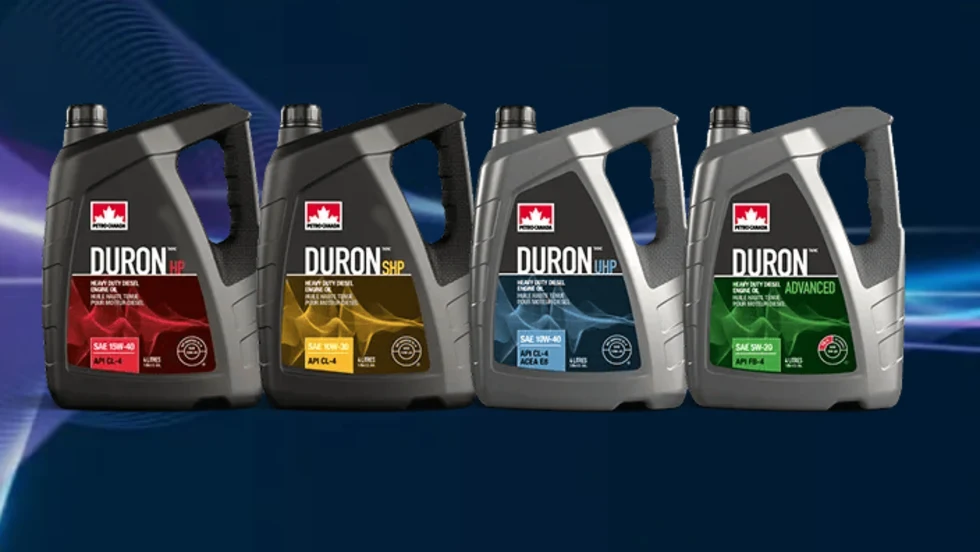
Unlocking the performance advantages of PC-12
2027 will mark the arrival of a new generation of heavy-duty engine oils. PC-12 reflects how far engine design has advanced and the demands that progress places on heavy-duty lubricants. Here’s what the transition means to your fleet.
Read More →
6 Tips for Troubleshooting Cold-Weather Truck Problem: Don't Guess, Diagnose it
Cold weather can expose hidden truck problems. Discover six practical troubleshooting tips to pinpoint the cause, avoid unnecessary repairs and keep trucks on the road.
Read More →
How GP Transco Builds Fuel Savings a Fraction at a Time
Aerodynamic specs, solar panels, and driver incentives help GP Transco turn small efficiency gains into savings it can reinvest in its people.
Read More →
Oil Crisis Squeezes Trucking Lubricant Supplies
Fleets report higher lubricant costs as Middle East disruptions tighten supplies of ingredients used in synthetic engine oils and some driveline lubricants.
Read More →
Shell Prepares Rotella Oils for 2027
New CL-4 and FB-4 formulations will begin arriving in early 2027, with improved protection against oil breakdown, wear and deposits, according to Shell.
Read More →
Mack Expands Extended Coverage With Four Chassis System Plans
Mack Trucks' new system-specific coverage options allow heavy-duty fleets to select protection for driveline, cab, HVAC, electronics, and advanced safety components.
Read More →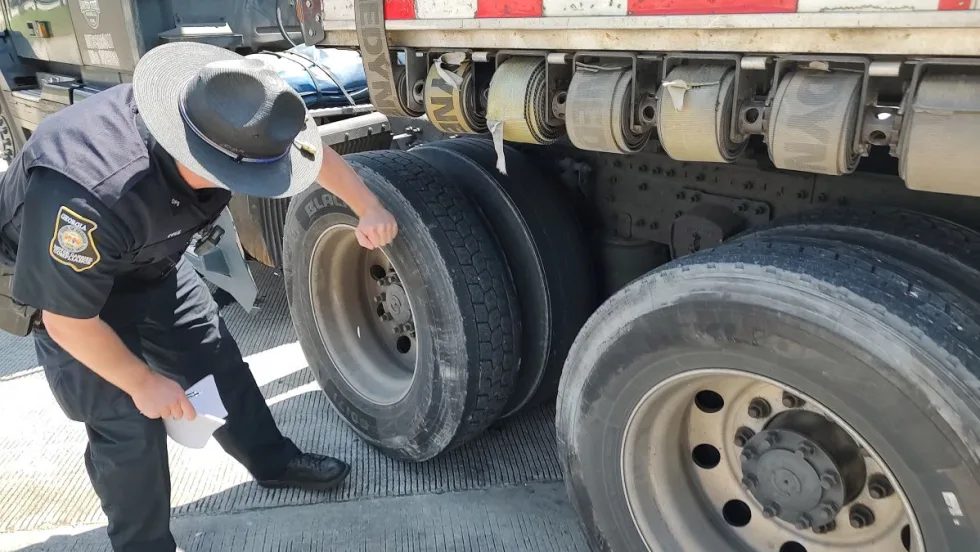
What an Out-of-Service Order Really Costs, and How to Plan for One
The repair invoice is the first number you see — and often one of the smallest. Here’s what else an out-of-service order can cost a fleet, and how planning can reduce the damage.
Read More →
International Launches Online Truck Parts Store
Fleetrite.com lets fleets and repair shops find OEM and all-makes parts, check prices and availability, and order without calling a parts counter.
Read More →
Continental Introduces New Regional Truck Tires
Continental says its new Generation 5 steer and drive tires for regional operations offer longer tread life, with estimated mileage gains of 22% and 19%, respectively.
Read More →
Color Match Smarter: Tools That Restore & Perform
For fleet managers and collision repair professionals keeping heavy-duty trucks on the road, getting the color right the first time isn't just about appearance — it's about efficiency, turnaround time, and bottom-line results. Discover how today's digital color tools are transforming the repair process from guesswork to precision.
Read More →