




Tech Training
Training technicians saves lives, avoids litigation.
Trucking just wouldn't be trucking without plenty of government safety regulations. But DOT isn't the only agency around that's keeping you on your toes.
Since the late 1970s, the Department of Labor's Occupational Safety and Health Administration has mandated that any employee who handles truck tires and wheels must receive safety training and be able to demonstrate the ability to perform necessary tasks, as outlined in Regulation 29 CFR 1910.177.
If you don't have the resources to develop your own program, the Tire Industry Association offers a comprehensive training and certification program for commercial tire service personnel. It covers such areas as proper inflation and procedures for repairing, installing, removing, demounting and mounting tire and rims.
There are a number of benefits to making sure your tire technicians get this kind of training. For one, an OSHA inspector can pay your company a surprise visit. If they find out you are lacking in such a program, at the minimum you receive a safety violation and likely, a fine, says Christine Bell, director of training for TIA. "At the other end of the spectrum is you have a wheel-off accident and a family is killed," she says. "Then you are going to have OSHA not only come in and see you haven't trained your tire technicians, but you also get in the middle of the whole liability issue and a big lawsuit."
Tire technician training also helps prevent on-the-job accidents that can injure or even kill tire technicians. Bell says people don't realize just how dangerous working on tires can be if you're not doing things properly. "There have been so many accidents with tires having zipper ruptures, and blowing up with tire technicians standing over the tires or sitting on them," she says.
TIA offers three levels of training.
The Basic Commercial Tire Service Training and Certificate Program (CTS-200) is designed to meet the minimum federal training requirements for both new hires and experienced employees in need of documented training. It's centered on five videos that describe step-by-step procedures and safety guidelines for handling tires and wheels. It comes with instructor and student workbooks, and the training can be done in-house, taking about four hours to complete. The cost is minimal.
The Certified Commercial Tire Service Technician Program (CTS-300) is a more advanced program for tire technicians that exceeds OSHA guidelines. "It's sort of the same information that's covered in the 200 level course, but it goes into more depth," Bell says. "For example, it talks about how to torque wheels and what torque to use in the 200 level. But the 300 level program goes into how to accomplish this, such as making sure you are cleaning off the studs, making sure the studs aren't broken and things like that."
If you can't afford to get all your tire technicians certified, getting the advanced training for shop management can improve quality control. "If they (tire technician managers) know what to look for while they are walking through the shop, they can recognize practices and procedures that aren't right and easily point them out and correct them," Bell says.
This program features an exam and requires hands-on instruction. Unlike the 200-level program, it must be taught by a TIA-certified instructor. Once students receive this certification, they must be recertified every two years, but all that requires is taking an exam online from TIA.
Fleets with large tire shops may want to take advantage of the third option: Get someone in your operation trained as a certified tire instructor. The CTS Instructor Program (CTS-400) requires students to attend either a four-day or three-day class – depending on their years of experience – held at TIA's instructor schools in Baltimore or Denver. Like 300- level participants, they must pass an exam and are certified for two years, and must be recertified via an online exam.
Since the launch of the TIA program several years ago, Bell says, a very small number of tire technicians have been killed or injured on the job after successfully completing one of these programs. In these cases, employers were able to prove to OSHA that everything was done to train these technicians properly and in no case was an employer given any violation.
You can get more information on this program by visiting the TIA web site at www.tireindustry.org and looking under the training section, or by calling Christine Bell at (800) 876-8372.
More Fleet Management

How Innovative Trucking Leaders Turn Change Into an Advantage
As the pace of change accelerates in trucking, the fleets that adapt best have more than the latest technology. They have cultures that embrace improvement.
Read More →
Freight Broker Bonds Just Got Harder to Get. Here's What That Means for Your Fleet.
When it gets harder for a freight broker to prove they are financially sound, the ones who cannot clear that bar get pushed out of the market. And those are exactly the brokers who used to leave motor carriers holding the bag.
Read More →
Long-Awaited Canadian Border Bridge to Open in Detroit
For trucking, the bridge opening should offer immediate improvements in efficiency and reliability, with new customs facilities, expanded inspection capacity, and direct freeway-to-freeway connections.
Read More →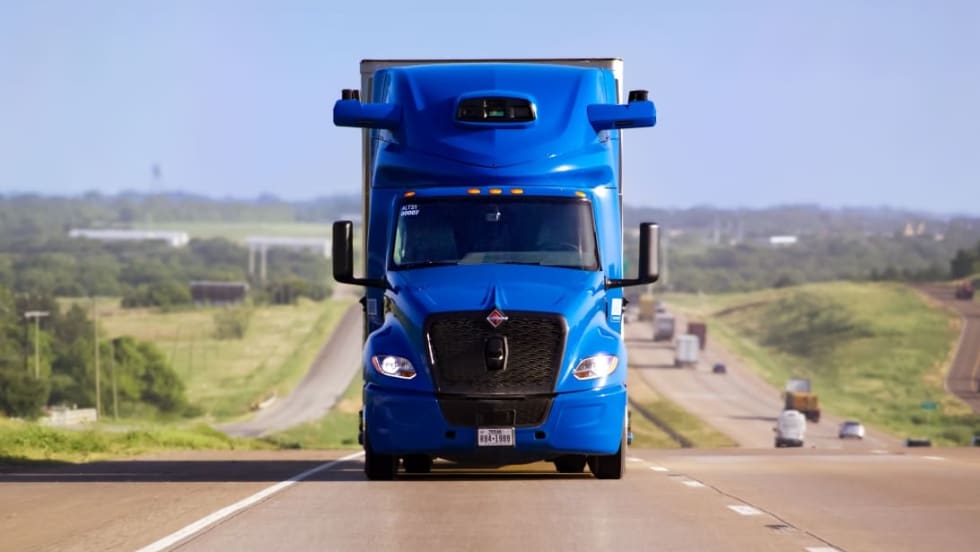
Aurora Rolls Out Next Generation of Driverless Trucks for Commercial Freight
Aurora's latest autonomous trucks it's rolling out with International feature lower-cost hardware designed for a million miles as the company expands commercial driverless freight operations across the U.S. Sun Belt.
Read More →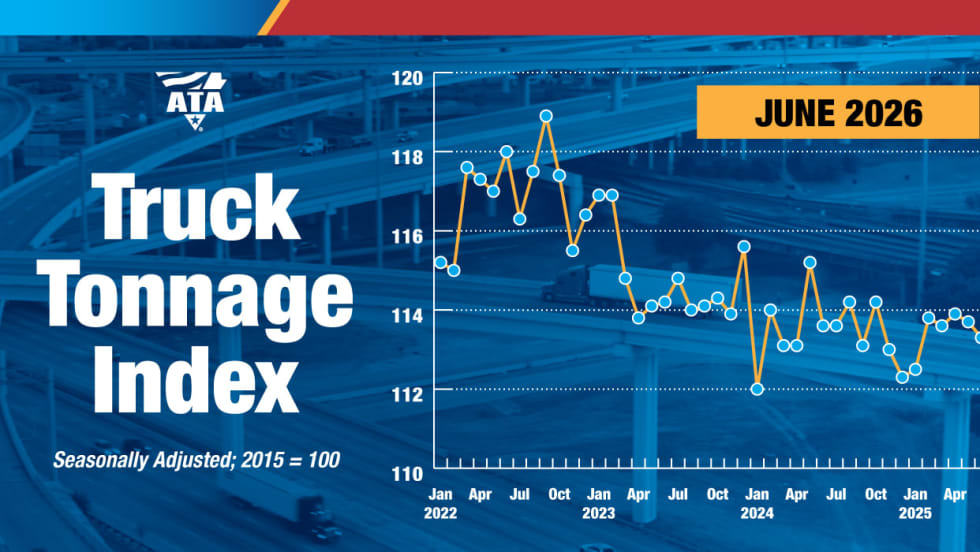
Freight Tonnage Down, Rates up, as Lower Capacity Powers Trucking Recovery
The recovery from the freight recession continues to be driven by reduction in capacity rather than by increased demand.
Read More →
Think Your Trucking Fleet Isn't Using Much AI? Think Again
Shadow AI — the use of unauthorized artificial intelligence tools at work — is becoming increasingly common, putting sensitive company data at risk. Learn how trucking fleets can protect sensitive data while embracing AI.
Read More →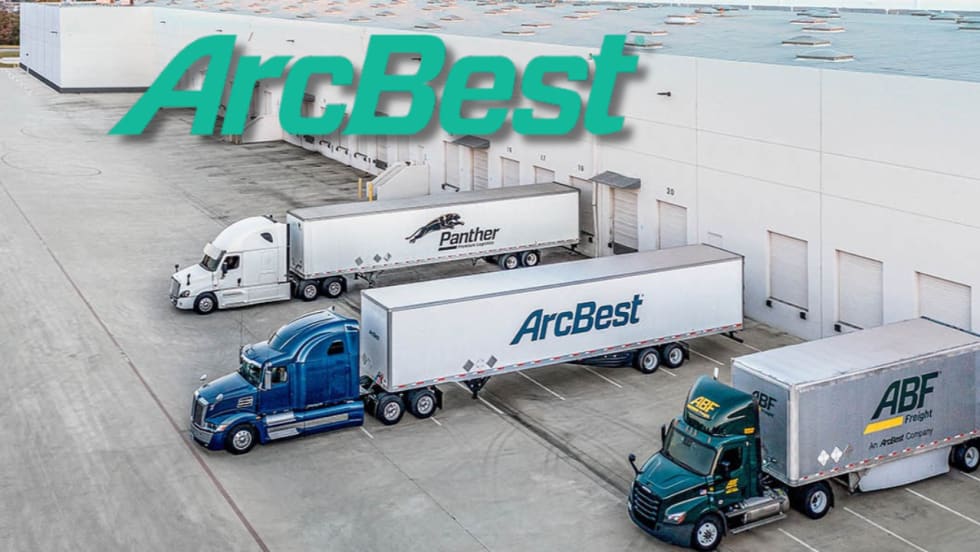
ArcBest Consolidates Brands, Cuts Workforce
The company will bring three business units under the ArcBest brand, eliminate about 2% of positions, and expects the changes to generate $40 million in annual savings.
Read More →
Trucking Fleets Faced Record Operating Costs During Third Year of Freight Recession
ATRI's annual operational cost report shows carriers trimmed fleets, delayed equipment purchases, and ran older trucks as expenses continued to outpace freight rates.
Read More →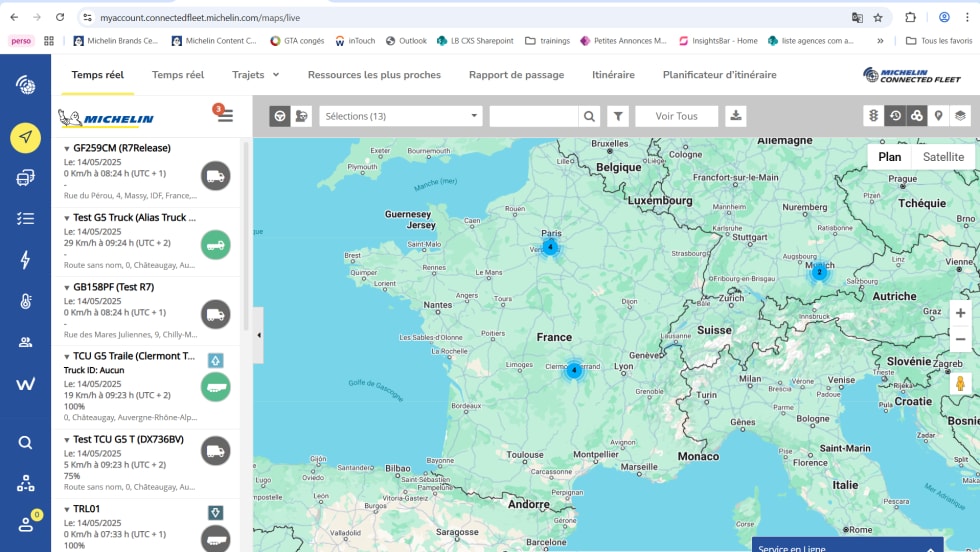
Michelin Adds AI Assistant to MyConnectedFleet Platform
Michelin’s new generative AI tool delivers instant fleet insights, helping managers analyze fuel use, tire maintenance, vehicle status, and operational performance without manually creating reports.
Read More →
LytxOne Platform Now Features AI, Compliance, and Asset Tracking Tools
New enhancements add AI-powered insights, asset tracking, compliance automation, and configurable privacy controls to Lytx's all-in-one fleet management platform.
Read More →