




Non-Compliant Lighting
When it comes to lighting, there's another factor added to the equation: compliance with federal safety standards.
When it comes to lighting, there's another factor added to the equation: compliance with federal safety standards.
Major truck and trailer lighting manufacturers say there's a flood of products – mostly LED lamps and mostly from offshore – that don't meet Federal Motor Vehicle Safety Standard 108. Some are counterfeit. Others are will-fit replacements.
"Some of the Asian manufacturers think all they have to do is stick a number of LEDs in a product and make it the same size and shape as some of the U.S. products and hit the marketplace with it, not realizing the U.S. has regulations that they have to abide by," says Tim Murphy, vice president of engineering for Peterson Manufacturing.
"I think customers get pretty intrigued by the price points," says Dominick Grote, vice president of sales and marketing for Grote Industries. "It's not visible right out of the box whether a part's legal or not, so we're definitely running into it."
Non-compliant lighting is a safety issue, because it isn't as bright as it should be. Some of these non-compliant lamps meet less than half of the required light output that's necessary to meet DOT requirements. These products also tend to be of inferior quality, meaning they don't last as long as they should.
"A lot of these products don't have the features in them that are going to allow them to live the life of the vehicle," says Brad Van Riper, vice president of research and development at Truck-Lite.
Through a trade group called the Transportation Safety Equipment Institute, major lighting manufacturers buy samples of various lamps and test them for compliance. "We're finding grossly noncompliant products in the marketplace," says Van Riper. That information is sent to the National Highway Traffic Safety Administration, which is responsible for enforcing the lighting standard.
The rise in non-compliant lamps has coincided with the increasing popularity of LED lighting. Unscrupulous companies are using low-quality LEDs, says Van Riper. "Many times a supplier will qualify the compliance using good LEDs, then go into production without the proper care to ensure that the rest of the production meets the requirements. Some of that could be honest mistakes, but I think it's pretty clear that you can buy much lower-cost LEDs if you don't want to produce parts you don't have to take responsibility for."
Non-compliant lighting is even showing up on original equipment, Murphy says. "OEMs can get caught, too, because they look at the cost of a product from offshore," Murphy says. "If they get a certificate [of compliance] from the source, it may not be valid, but they may put the part on the vehicle and not realize they're not meeting the law."
Lighting makers applaud the recent addition of two enforcement engineers to NHTSA's staff who will be taking aim at noncompliant lighting. In addition, many experts in the industry support a rewrite of FMVSS-108, which is in the works.
The rule has been on the books for more than 30 years, amended in a piecemeal fashion, with more interpretations on record than any other federal vehicle safety standard, according to TSEI. The rewrite will make the standard easier to understand and easier to enforce.
More Fleet Management

How Innovative Trucking Leaders Turn Change Into an Advantage
As the pace of change accelerates in trucking, the fleets that adapt best have more than the latest technology. They have cultures that embrace improvement.
Read More →
Freight Broker Bonds Just Got Harder to Get. Here's What That Means for Your Fleet.
When it gets harder for a freight broker to prove they are financially sound, the ones who cannot clear that bar get pushed out of the market. And those are exactly the brokers who used to leave motor carriers holding the bag.
Read More →
Long-Awaited Canadian Border Bridge to Open in Detroit
For trucking, the bridge opening should offer immediate improvements in efficiency and reliability, with new customs facilities, expanded inspection capacity, and direct freeway-to-freeway connections.
Read More →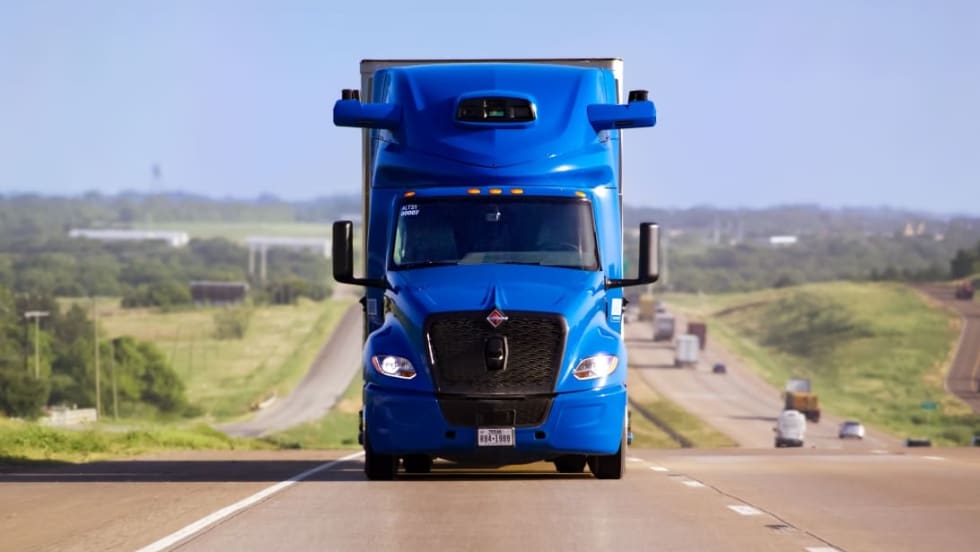
Aurora Rolls Out Next Generation of Driverless Trucks for Commercial Freight
Aurora's latest autonomous trucks it's rolling out with International feature lower-cost hardware designed for a million miles as the company expands commercial driverless freight operations across the U.S. Sun Belt.
Read More →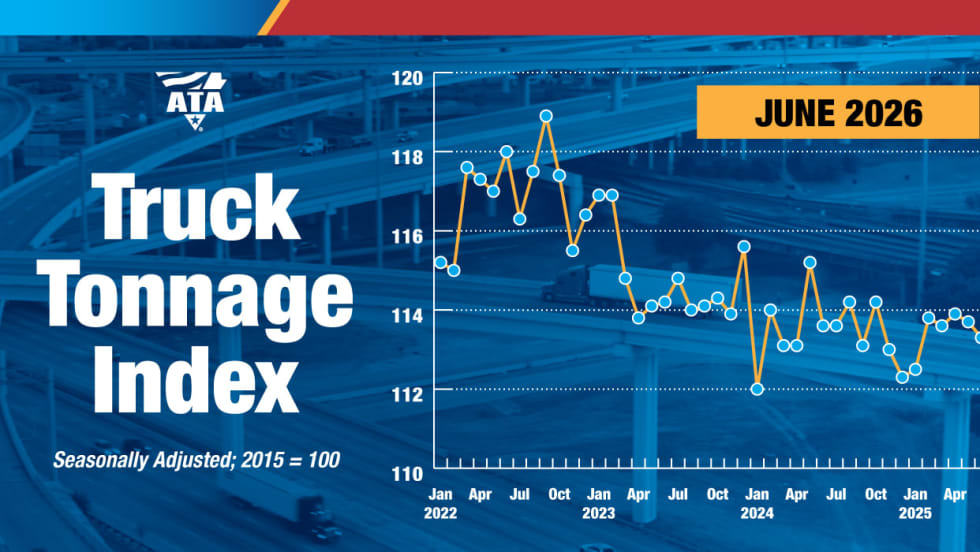
Freight Tonnage Down, Rates up, as Lower Capacity Powers Trucking Recovery
The recovery from the freight recession continues to be driven by reduction in capacity rather than by increased demand.
Read More →
Think Your Trucking Fleet Isn't Using Much AI? Think Again
Shadow AI — the use of unauthorized artificial intelligence tools at work — is becoming increasingly common, putting sensitive company data at risk. Learn how trucking fleets can protect sensitive data while embracing AI.
Read More →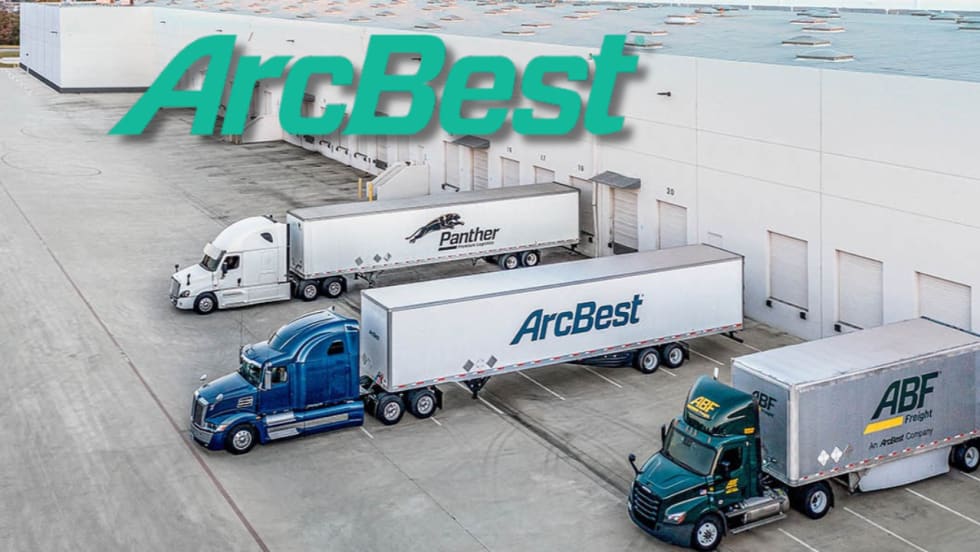
ArcBest Consolidates Brands, Cuts Workforce
The company will bring three business units under the ArcBest brand, eliminate about 2% of positions, and expects the changes to generate $40 million in annual savings.
Read More →
Trucking Fleets Faced Record Operating Costs During Third Year of Freight Recession
ATRI's annual operational cost report shows carriers trimmed fleets, delayed equipment purchases, and ran older trucks as expenses continued to outpace freight rates.
Read More →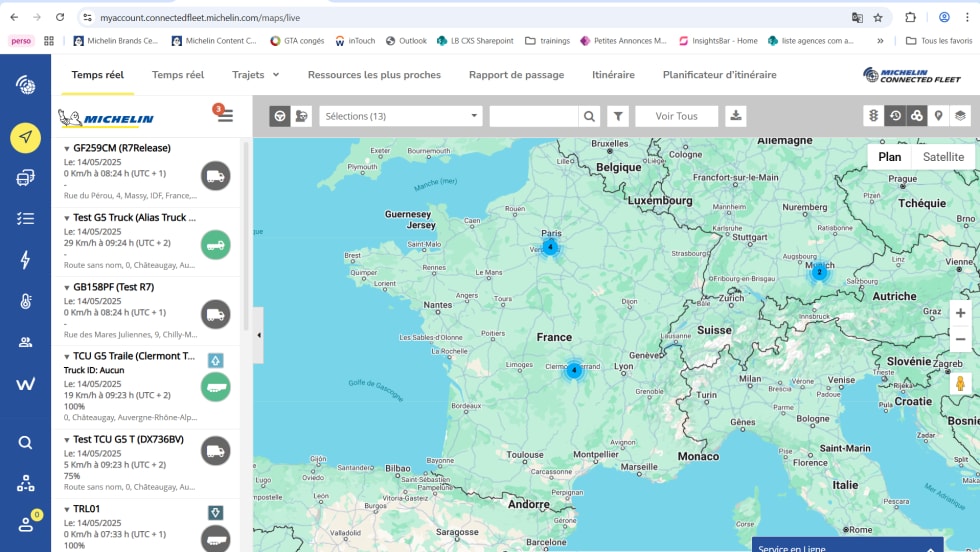
Michelin Adds AI Assistant to MyConnectedFleet Platform
Michelin’s new generative AI tool delivers instant fleet insights, helping managers analyze fuel use, tire maintenance, vehicle status, and operational performance without manually creating reports.
Read More →
LytxOne Platform Now Features AI, Compliance, and Asset Tracking Tools
New enhancements add AI-powered insights, asset tracking, compliance automation, and configurable privacy controls to Lytx's all-in-one fleet management platform.
Read More →