





"When someone says they're having an issue with their ABS, or they can't charge their liftgate, the first place I look is at that center pin." – Gerry Mead, Phillips Industries
Maintaining Trailer Electrical Systems
There's technology on the horizon that will improve trailer electrical system performance, but in the meantime, basic electrical maintenance, done right, will see you through.
December 17, 2019

Trailer connectors that remain plugged into their sockets most of the time are not immune to corrosion. It may be even worse in there if you operate where corrosive deicing fluids are used.
Photo: Jim Park
6 min to read
As trailers become more complex, with telematics and diagnostics systems of their own, more auxiliary equipment and more sensitive electronics, the need to keep those systems running will become more challenging.
We are already close to capacity in terms of circuits coming from the tractor, hamstrung by the limits of the traditional 7-pin trailer connector. But engineers are thinking beyond 7-pins to 15 pins, and even self-supporting trailer electrical systems that can power auxiliary systems onboard the tractor. That's a bit of a role reversal, and it may be closer than you think.
How often do drivers report an antilock braking system fault on the trailer, only to find in the shop that the center pin in the 7-way plug was not putting out any power? That pin is the only route to the trailer for power destined not only for the ABS, but also for automatic tire inflation systems, telematics, etc.
At times there can be a lot of power traveling through that line, or not. If the fuse is blown, nothing on that circuit works. If the connector is badly corroded, voltages can be compromised, resulting in fault codes and poor component performance.
"When someone says they're having an issue with their ABS, or they can't charge their liftgate, the first place I look is at that center pin," says Gerry Mead, executive director of innovation at Phillips Industries.
"Everything except the lighting comes across that pin. About half of the truck I check for trailer electrical problems are hooked to tractors with a blown fuse or a badly corroded center pin."
Corrosion on the J560 plug and the trailer pigtail is a big problem, especially in areas where a lot of road deicer is used in the winter. The tractor end of that cable is hardly ever pulled out and inspected, tested and cleaned. Checking that connection is more important than ever with all the multiplexing and PLC (power line carrier) data going back and forth along those circuits.
There are wiring solutions out there that will solve a lot of these problems, but many fleets are reluctant to try something new. Even with all of the sealed connectors on the market, fleets still seem to prefer a metal plug on the J560 trailer connector, Mead says.
"If it's price, the extra cost for a premium connector is only about 10%. That's not a lot to pay to reduce those sorts of problems."
And Mead believes loads on the current connector will increase as more technology is added to the trailer, which will make corrosion of those pins even more of an issue going forward.
"The 7-way J560 is antiquated and we're going to have to go to a 15 pin, the European standard, sometime soon," he says. "It's gotta happen. I mean, we're used up. There's a lot we could do with that 15-pin connector."
Putting Power on the Trailer
There's one big problem with liftgates. They are usually at the back of the trailer, while the alternator is way up front.
Typically, the liftgate batteries are charged from the tractor. Due to the length of the cable run, perhaps an under-sized alternator, and the inevitable corrosion in the cabling, the batteries – and ultimately the liftgate motor – may not be getting all the voltage needed for optimum performance.
Given that the J560 can be a truck's Achilles heel, what if the trailer was generating its own electrical power through solar panels, or perhaps power generated by an e-hub motor/generator of the sort ConMet announced at the North American Commercial Vehicle Show?
Power produced by a wheel-mounted generator and stored locally could solve many of those problems. While Conmet hasn't specifically targeted liftgates (it's focusing on powering electric refrigeration units in the early days), the company says it could be used to power auxiliary electrical systems on the trailer.
And trailers with short between-stop travel distances may not be able to optimize liftgate battery charging without idling. Solar can solve many of those issues and in the process, save batteries from the life-cycle-limiting deep discharge states.
Bob Doane, chief technology officer with solar energy solution provider eNow, says an auto parts distributor saw a big difference in battery life after adding a small solar panel array to its trailer roofs.
"AutoZone was replacing its flooded-acid liftgate batteries about every 8-10 months," he says. "We have had the solar panels on a group of test trailers for 30 months now and they haven't had to replace a single battery."
Not only can solar keep the batteries topped up, but the associated electronics also can optimize battery charging.
"We can put in all the current possible in bulk charging mode until the battery reaches its optimum voltage of 14.2 to 14.4," says Doane.
"Then we shift to absorption mode, where the voltage is held steady, but the current is dialed back. That ensures the battery plates do not become sulphated through overcharging."
According to Mead, an electric climate control system powered by solar cells on the roof of the trailer would cost less than half of what a diesel APU will cost over its life -- even less when you take maintenance into account.
"In my fleet days, I would keep a trailer for 10-12 years, versus four to five years for a tractor," he says. "That's twice the payback time for the solar cells versus the tractor mounted APU, and there's literally no maintenance for the solar cells.
"Even if a few cells are damaged in a tree strike or something, the rest of the panel keeps working. With a 15-pin tractor-trailer connector, we wouldn't even have additional cables to hook up."
The Importance of Trailer Electrical Maintenance
Until we have 15-pin connectors between tractors and trailers and current flow both ways between the vehicles, correct cable sizing and the state-of-the-art electrical maintenance will continue to be the keys to reliable trailer electrical systems.
These days, reliability means more than just keeping the liftgate operating. Drivers don't respond well to downtime, and your electrical maintenance and spec'ing acumen (or lack of it) could have an impact on driver retention rates.
Not to put too fine a point on it, most electrical maintenance isn't rocket science. And let's not confuse basic electrical maintenance with electronic troubleshooting, which truly is a science.
"Basic electrical maintenance may seem pretty basic, but it requires disciplined techs following proper procedures," says Darry Stuart, fleet maintenance consultant and frequent moderator at the Fleet Talk and Fleet Forum sessions at ATA's Technology & Maintenance Council meetings.
"It's easy to take shortcuts, and since most techs don't really like doing battery maintenance, you have to require them to do the work properly. Whether or not to disconnect the cables, clean the connectors and load test the batteries should not be left to the technician's discretion. That work has to be done at each and every PM. No ifs, ands or buts."
Subscribe to Our Newsletter
More Maintenance
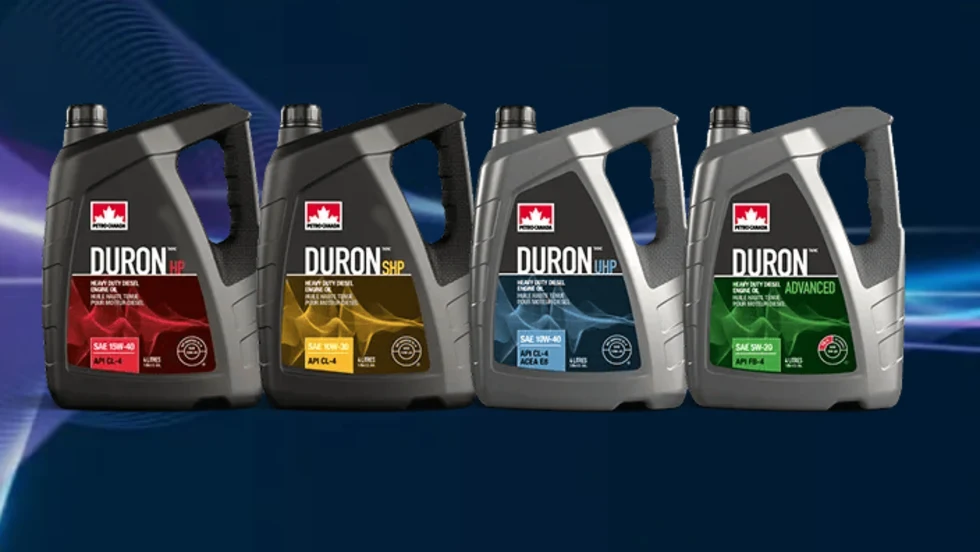
New Duron Engine Oils Target Fleet Operating Costs
Petro-Canada's next-generation heavy-duty engine oils promise better wear protection, longer oil life and potential fuel savings as the industry prepares for new oil specifications in 2027.
Daimler, Paccar Recall Trucks Over Driveline Defect
Nearly 4,900 Freightliner, Western Star, and Kenworth trucks are being recalled because a missing snap ring could allow the driveline to separate from the truck.
What to Look for in Fleet Maintenance Software
Choosing the right maintenance technology starts with identifying the problems you need to solve. Here's what trucking fleets should look for — and what to ask potential providers.
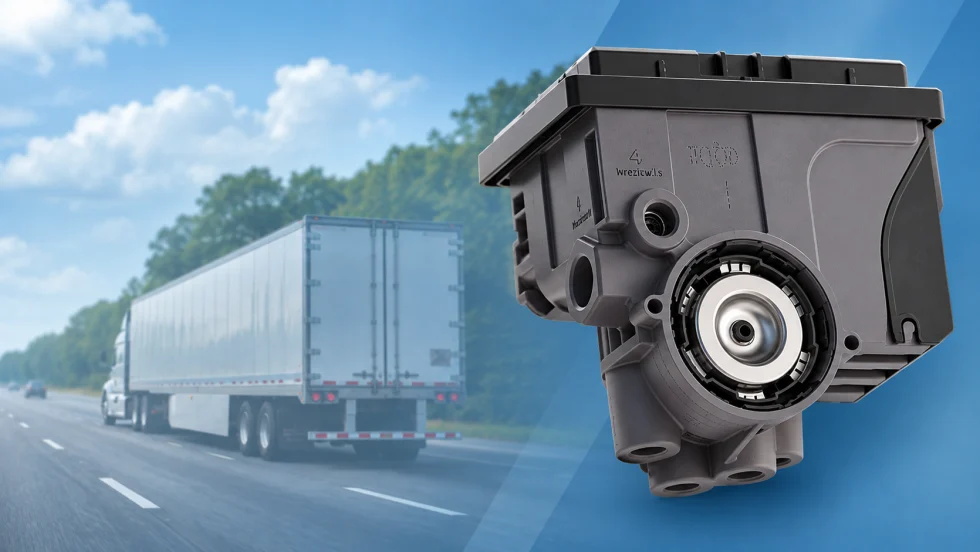
Bendix Upgrades Trailer ABS With Smarter Diagnostics
The new iTABS X system replaces Bendix's TABS-6 Standard trailer ABS, adding faster diagnostics and connectivity that could help fleets identify brake-system problems before they lead to downtime.

CVSA Sets 2027 International Roadcheck Dates
The annual 72-hour truck inspection blitz will take place May 11–13 across North America. Here's what fleets can expect and what inspectors found during the 2026 event.
What Trucking Events are Happening in 2027?
Looking for trucking-related conventions, expos, and other events? Heavy Duty Trucking has developed this list of national and larger regional trucking shows and events.
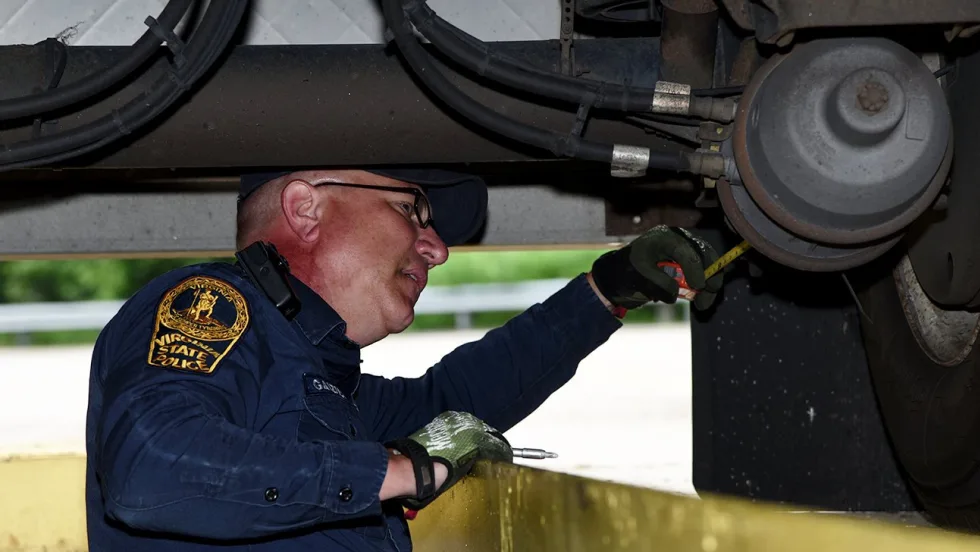
Brake Problems Sideline 15% of Inspected Trucks
During CVSA's 2026 Brake Safety Week, inspectors placed nearly 2,400 commercial vehicles out of service for brake violations, including problems with defective brakes, hoses, drums and rotors.
Sponsored•November 6, 2026
Unlocking the performance advantages of PC-12
2027 will mark the arrival of a new generation of heavy-duty engine oils. PC-12 reflects how far engine design has advanced and the demands that progress places on heavy-duty lubricants. Here’s what the transition means to your fleet.
Sponsored•November 3, 2026
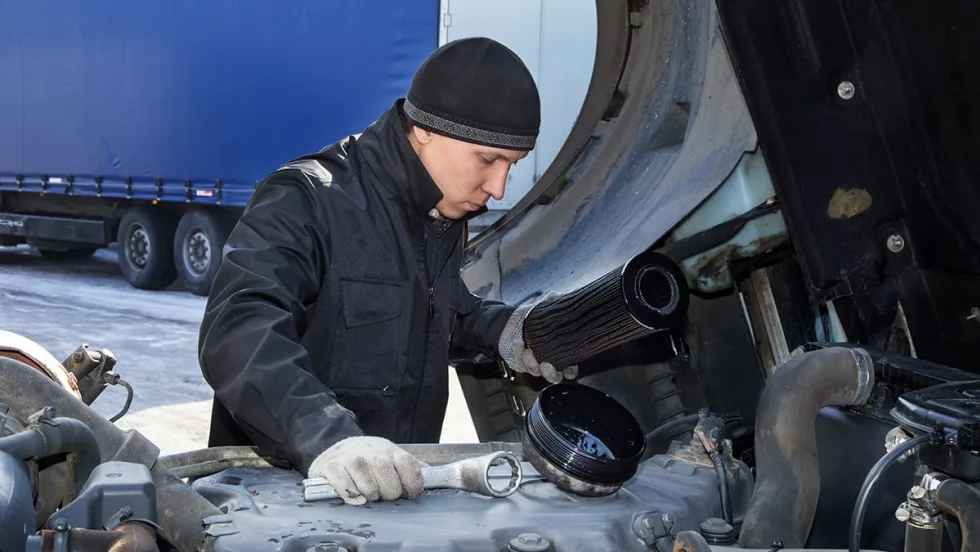
6 Tips for Troubleshooting Cold-Weather Truck Problem: Don't Guess, Diagnose it
Cold weather can expose hidden truck problems. Discover six practical troubleshooting tips to pinpoint the cause, avoid unnecessary repairs and keep trucks on the road.

How GP Transco Builds Fuel Savings a Fraction at a Time
Aerodynamic specs, solar panels, and driver incentives help GP Transco turn small efficiency gains into savings it can reinvest in its people.