




Oregon's old McKenzie Highway between Sisters and McKenzie Bridge is a scenic route frequently used by campers and tourists during the summer months. But for drivers carrying a long load, this 35-mile stretch of Oregon 242 is a nightmare.
It's steep and narrow, has poor alignment and numerous switchbacks. That's why it's off limits to commercial vehicles.
Nevertheless, truckers have more than once ventured onto the highway come to a point of no return and put themselves and other motorists in danger.
"There is no way to keep a tractor and trailer on the road safely and at the same time deal with oncoming traffic," said Jerry Page, operations engineer for the Oregon Department of Transportation's District 10.
Shortly after the highway opened last spring, Oregon State Police cited three truck drivers for traversing the highway. Several years ago, a truck traveling the mountain pass tipped over and pinned a camper against a rock bluff. One section of the highway has vertical rock walls right next to the road and the pavement width is only 20 feet.
"Almost every driver that gets caught up there says the same thing. Once they get started, there's no way to turn around. So they have to keep going," Page said.
To keep trucks off the road, Page developed a system to tell truckers the highway is off limits. He calls it the McKenzie Truck Turnaround Project.
"I know what truck drivers are up against," added Page, who drove a million miles in a big rig during the 1970s. "A lot of times they don't have a choice. Dispatchers tell them which route to take."
Page is using standard traffic loops, similar to those used at traffic signals, to provide truck drivers an opportunity to turnaround before it's too late. The loops are embedded in the pavement and spaced a certain distance apart. The first set of loops detects a long load and sends a recorded message to Channel 17 on the CB. The message explains that a long load has been detected and tells the driver about a turnaround site located a mile ahead.
A second set of loops, located about 100 feet beyond the turnaround, triggers a camera that sends an image to the OSP Dispatch Center in Bend. The camera gives OSP confirmation that a truck tripped the system before they dispatch an officer. The set of loops also activates three pagers, one at the Sisters weigh station, one at the dispatch center, and the other at the Deschutes County Sheriffs Station in Sisters.
The intent of the system is to have the majority of trucks turn around after the first set of loops, thereby eliminating the need for the second set.
Installing the device presented several challenges. Page had to use solar panels since there is no electricity along this section of highway. Power generated from the solar panels is sent to large batteries that run the recorded message and activates flashing lights located on a sign near the turnaround.
An old logging road connection, developed with ODOT personnel and materials, serves as the turnaround. It is located near the snow gate used for closing the highway during the winter. Several signs displaying a "Last Chance Turnaround - 35 Foot Length Limit Ahead" message also are located along the route.
If truckers use the old McKenzie Highway, they can be fined more than $400. When Motor Carrier Enforcement personnel discover a trucker on the highway, they make certain the vehicle is parked safely off the road. It is then up to the driver to find transportation into town and hire certified flaggers and a pilot car to get the rig turned around and out of the area.
Point of No Return
Oregon's old McKenzie Highway between Sisters and McKenzie Bridge is a scenic route frequently used by campers and tourists during the summer months. But for drivers carrying a long load, this 35-mile stretch of Oregon 242 is a nightmare
More Drivers

Best Fleets to Drive For: Two Carriers Earn Overall Award for First Time
CarriersEdge announced the 2026 Best Fleets to Drive For overall winners, with Crawford Trucking, Fortigo Freight Services, and FTC Transportation receiving top awards.
Read More →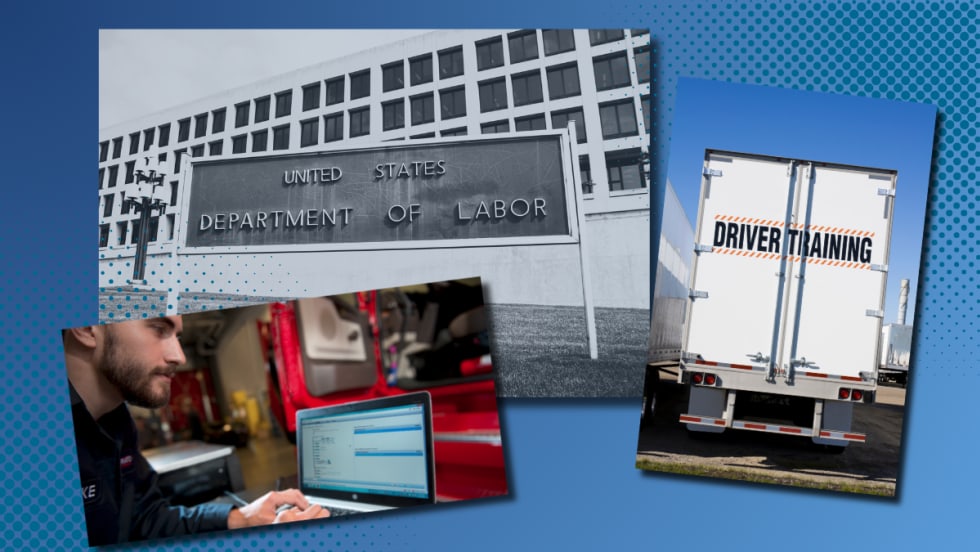
Federal Proposal Would Allow Pell Grants for Shorter-Term Job Training
The Department of Labor plans to expand Pell Grant eligibility to some shorter workforce training programs, a move the American Trucking Associations said will help strengthen commercial driver training schools and diesel technician training programs.
Read More →
Owner-Operator Model Gets Boost as DOL Proposes 2024 Independent Contractor Definition Reversal
For an industry that has watched this issue go back and forth for years, the independent contractor proposal marks the latest swing in the regulatory pendulum.
Read More →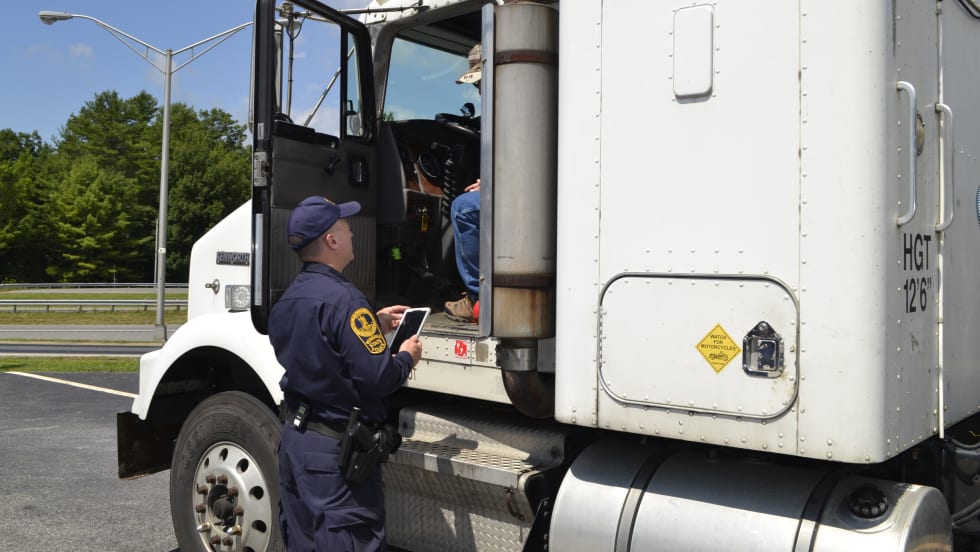
FMCSA Reinstates Field Warrior ELD to Registered Device List
One electronic logging device has been reinstated to the FMCSA's list of registered ELDs.
Read More →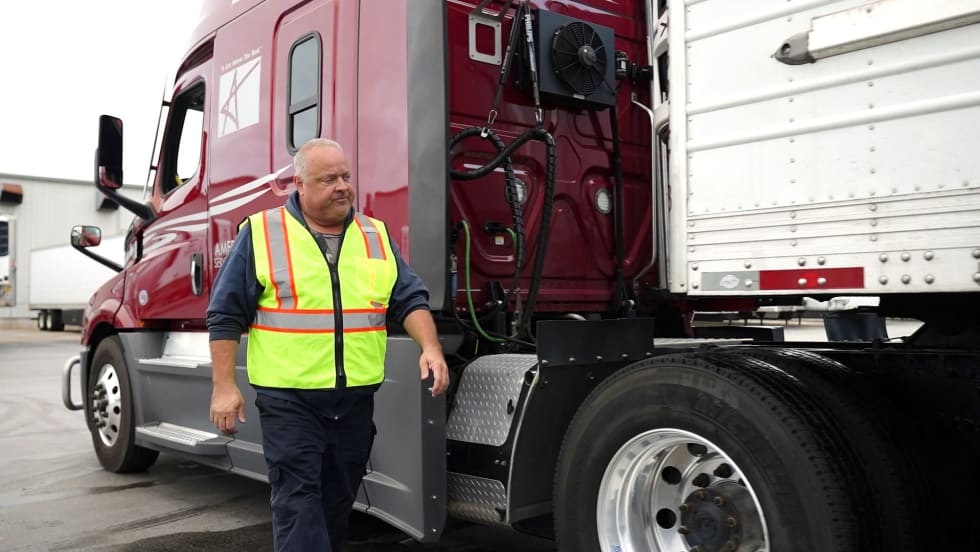
How One Company is Using Smart Suspension Technology to Reduce Driver Injuries and Improve Retention
America’s Service Line adopted Link’s SmartValve and ROI Cabmate systems to address whole-body vibration, repetitive strain, and driver turnover. The trucking fleet is already seeing measurable results.
Read More →
CarriersEdge Announces 2026 Best Fleets to Drive For
The 18th annual contest recognizing the best workplaces for truck drivers sees changes to Top 20, Hall of Fame
Read More →
FMCSA Targets 550+ ‘Sham’ CDL Schools in Nationwide Sting Operation
The Federal Motor Carrier Safety Administration issued more than 550 notices of proposed removal to commercial driver training providers following a five-day nationwide enforcement sweep. Investigators cited unqualified instructors, improper training vehicles, and failure to meet federal and state requirements.
Read More →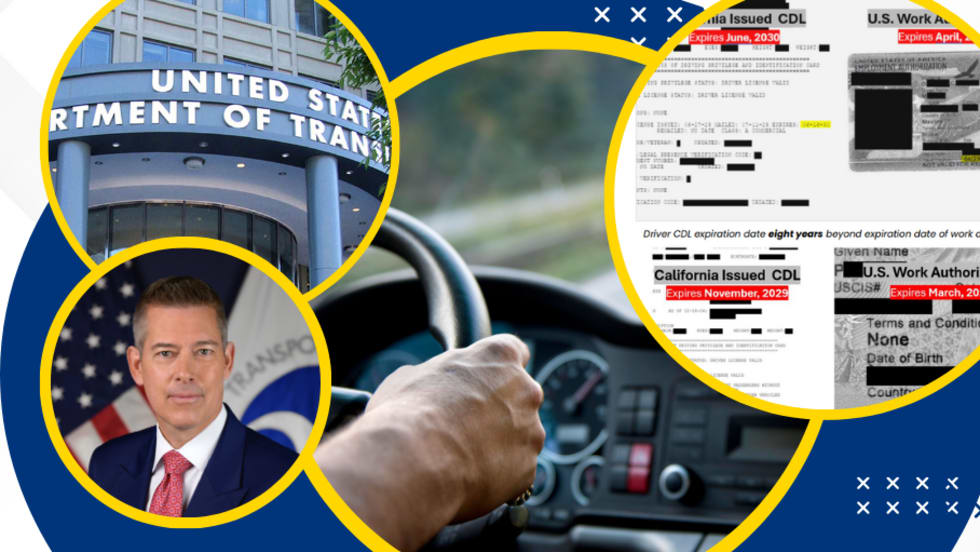
DOT Alleges Illinois Issued Illegal Non-Domiciled CDLs
Illinois is the latest state targeted and threatened with the loss of highway funding by the U.S. Department of Transportation in its review of states' non-domiciled CDL issuance procedures. The state is pushing back.
Read More →FMCSA Locks in Non-Domiciled CDL Restrictions
After a legal pause last fall, FMCSA has finalized its rule limiting non-domiciled commercial driver's licenses. The agency says the change closes a safety gap, and its revised economic analysis suggests workforce effects will be more gradual than first thought.
Read More →
Trucker Path Names Top Truck Stops for 2026
Truck driver ratings reveal the best chain and independent truck stops in the country.
Read More →