





Related: Daimler Trucks North America Switching from Brand-Centric to ‘Segment Strategy’
DTNA Improves Express WriteUp App
Daimler Trucks North America has launched the second generation of its Express WriteUp mobile application. Express WriteUp2 helps service advisors and customers adhere to social distancing guidelines during the COVID-19 outbreak.
April 6, 2020
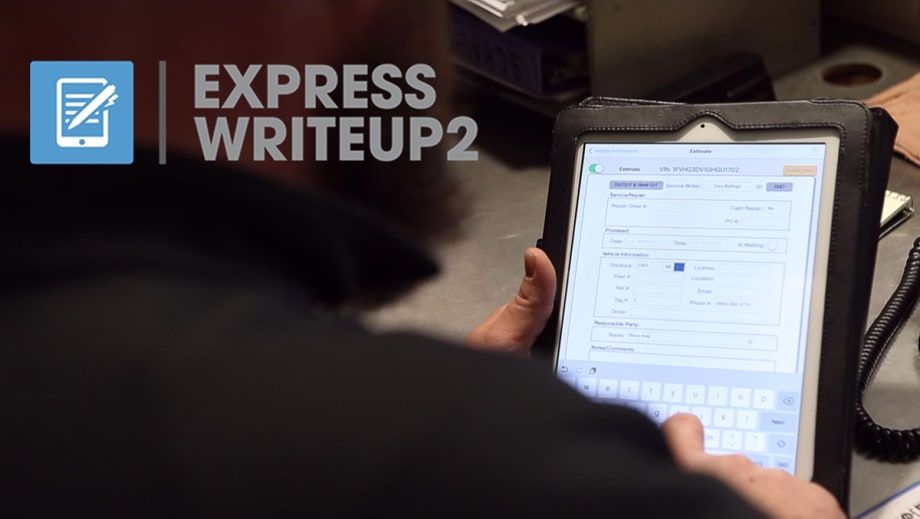
Photo: DTNA
2 min to read
Daimler Trucks North America has launched the second generation of its Express WriteUp mobile application. Express WriteUp2 helps service advisors and customers adhere to social distancing guidelines established by the CDC during the COVID-19 outbreak.
“The Express WriteUp2 tool has been a major help to us as we strive to maintain the health and safety of both our customers and our employees while keeping the nation’s trucks running,” said Mike Payne, director of continuous improvement, Velocity Truck Centers. “Through the app, we can complete repair orders without having to interact face to face, ensuring we maintain social distancing and get the process started quickly.”
Express WriteUp was initially released in 2017 to enable Freightliner and Western Star dealers to create a repair order with a mobile device, allowing service advisors to remotely pull vehicle mileage, fault codes, and trip details that seamlessly load into Uptime Pro via a Bluetooth adaptor, as soon as it enters the shop.
The newest enhancements to Express WriteUp2 include:
Easier navigation with a new look and feel and faster vehicle processing.
Ability to add a purchase order number to the repair order.
Improved fault code integrity.
Ability to update dealership profile information.
Creates a repair order for all approved dealer management software suppliers.
Ability to easily change VIN based on screen displayed.
PDF creation of reports on Claim History, Component Detail, Inspection, Warranty Coverages, including One Stop and Preventive Maintenance.
More Maintenance

Sponsored•September 16, 2026
Color Match Smarter: Tools That Restore & Perform
For fleet managers and collision repair professionals keeping heavy-duty trucks on the road, getting the color right the first time isn't just about appearance — it's about efficiency, turnaround time, and bottom-line results. Discover how today's digital color tools are transforming the repair process from guesswork to precision.
Read More →
Wrong Repair Prompts Recall of Freightliner, Western Star 4x2 Trucks
DTNA is recalling more than 2,400 trucks that received an incompatible software fix instead of the hardware repair required to address brake valve corrosion.
Read More →
Truck Drivers Need More Than Another Alert
Fleets have more visibility into truck health, safety events, and driver activity than ever. The next challenge is turning all that information into useful guidance for the person who has to decide what to do next.
Read More →
The Maintenance Checks Trucking Fleets Should Prioritize Before Fall Freight Picks Up
Making it through August isn’t the same as being ready for the next several months of operation. Find out what systems may have suffered from summer heat and need to be checked out before fall.
Read More →
What Three Fleets Are Doing Differently When Buying Truck Parts in 2026
With freight improving but costs still climbing, fleet maintenance executives explain how they're balancing price, quality, and supplier relationships.
Read More →
Paccar Recalls 2027 Trucks Built This Summer for Possible Electrical Problem
The nearly 6,000 Kenworth and Peterbilt trucks in the recall could potentially lose engine power, among other things.
Read More →
Will API PC-12 Oil Change Trucking Fleet Maintenance?
The new API PC-12 heavy-duty engine oil category reflects the changing demands of modern diesel engines. But fleets like Foodliner are looking to getting their own data before making decisions on adopting the new oils and questions such as extending oil drain intervals.
Read More →
Brake Safety Week to Focus on Drums and Rotors
Commercial vehicle inspectors are focusing on truck brakes during CVSA's Brake Safety Week, August 23-29.
Read More →Possible Battery-Cable Fires Prompt Recall of 15,000+ International MV and HV Trucks
On the recalled vehicles, manufacturing variations can cause the battery interconnect cable to contact the auxiliary stud and hold down the bracket.
Read More →
Rush, MCT Team Up to Grow Refrigeration Service Network
The joint venture will operate MCT's network of Carrier Transicold dealerships and mobile service locations, with the companies promising greater service capacity and uptime for refrigerated fleets.
Read More →