




5 Ways Truck Drivers Can Prevent Cold-Weather Calamity
Every year we read about drivers who perish in their trucks during extended road closures where the driver goes off the road or runs into impassable conditions. Would you or your drivers be able to stay warm and safe if you were caught in such a situation?


Truck drivers may think because they travel along busy four-lane highways they don't need to plan for winter emergencies, but that's a dangerous assumption.
Photo by Jim Park

If wintry weather has you trapped, stay with the truck. Don't set out looking for help.
Photo by Jim Park
Winter can be very unforgiving. Every year we read about drivers who perish in their trucks during extended road closures where the driver goes off the road or runs into impassable conditions. It can be hours or sometimes days before help arrives. Would you or your drivers be able to stay warm and safe if you were caught in such a situation?
Here are five tips that will help keep drivers alive if the worst should happen.
1. Keep Your Truck's Fuel Tanks Full
Your engine is your only reliable source of heat, so you need to keep it running. You stand a much better chance of surviving if you have enough fuel to last a day or two stranded at roadside. Tanks that are less than half full also have greater risk of gelling or freezing, because the water that is always in diesel fuel has less fuel in which to disperse. That means there's more water present per gallon, and that increases the possibility of freezing up.
You can prevent fuel from gelling by using anti-gel additives, or even a cupful of basic rubbing alcohol (alcohol absorbs water) if you're in a pinch, but you can't un-gel your fuel with an additive. The idea is to prevent it from happening in the first place.
2. Keep Emergency Rations in the Truck Cab
Most of us would not starve to death if we went without food for a day or two, but it can get pretty uncomfortable. In addition, eating generates body heat, so it's important that you consume some food, and especially water, if you're storm stayed.
It's a good idea to stock a small supply of high-calorie snacks for emergency use, such as candy bars, granola bars, easy-to-heat meals, and dried fruits and nuts (such as trail mix).
A couple of cans of soup or ready-to-eat canned food is useful if you have a means to heat it (don't forget to buy pop-top cans or include a can opener in your emergency kit), but you can always use some alternate source of heat such as the defroster, the engine exhaust manifold, or a can of Sterno. Put a small stash aside and leave it alone until you need it.
3. Be prepared to stay warm
A winter survival kit is a must for any driver on an irregular route where you don't know where you might be going next.
Don’t lull yourself into thinking that because you run the same busy four-lane highway all the time that you might not need it. That kind of thinking kills people.
Driver who run remote, less-traveled roads in winter carry winter kits, but it’s usually not those folks we read about after a storm. Winter coats, boots, etc. can be purchased cheap at Goodwill stores and used clothing shops. Don't go without because of the high cost of new winter clothing.
Warm clothing is a must. It's far better to have and not use it than need it and be without:
A good winter coat, mitts and a hat, at the very least
A pair of thermal underwear or several T-shirts you can layer on
Several pairs of heavy socks in case one pair gets wet
Insulated coveralls for working outside the truck in winter
A quality pair of winter boots.
4. Pack a Winter Tool Kit
One can easily go overboard prepping for a winter emergency, but no tool is more important than the one you don't have. These would be the essentials, and perhaps surprisingly, not all drivers equip themselves with even these basics.
Several small cans of Sterno (gelled alcohol used to keep food warm) or candles (good for a little heat and light), butane lighter, plug-in rechargeable flashlight (flashlight batteries are always dead when you really need them).
Sleeping bag for additional warmth
Spare fuel filter and a filter wrench to change filter, and written instructions on how to change a fuel filter if you’re not sure how it’s done
Anti-gel fuel additive
Air-line antifreeze with instruction from the shop supervisor on how to use it
Windshield ice scraper
A large bag of road salt or cat litter for traction
5. Have a Survival Strategy
If you find yourself stranded and isolated and not going anywhere because of foul winter weather, don't panic. Take stock of the situation and assess your options – which are usually limited to waiting it out until the road is cleared or help arrives to get you going again.
Try to alert someone to your situation so they know where you are
Consider your fuel supply and how long you might be able to leave the engine idling to keep warm. Engines burn one to two gallons per hour at high idle, so roughly speaking you'll need 30-40 gallons of fuel to idle for 24 hours
If your fuel is low, idle sparingly; run it long enough to warm the cab and then shut it off again
If you have a downdraft exhaust, dig out any snow around it so you aren't overcome by carbon monoxide fuels, and always crack open a window when the engine is running
If you're gelled up and the engine won't run, use your batteries sparingly. The cold will limit their effectiveness too at some point
Don't leave the truck in search of shelter. Inside you have some protection from the elements, and body heat will help warm the inside of the cab
Dress warmly even when inside
If you sleep, set an alarm to wake you periodically so you don't slip into hyperthermia.
Winter survival begins with preparedness, so if you or your drivers don't currently have any of the supplies we mentioned, consider finding them as soon as you can. Come springtime, pack it all up in a box and stow it for next winter – except the food.
More Safety & Compliance

How Waste Connections is Using Data, Telematics, and AI
How do you manage and maintain more than 18,000 connected trucks? Data. Lots of it.
Read More →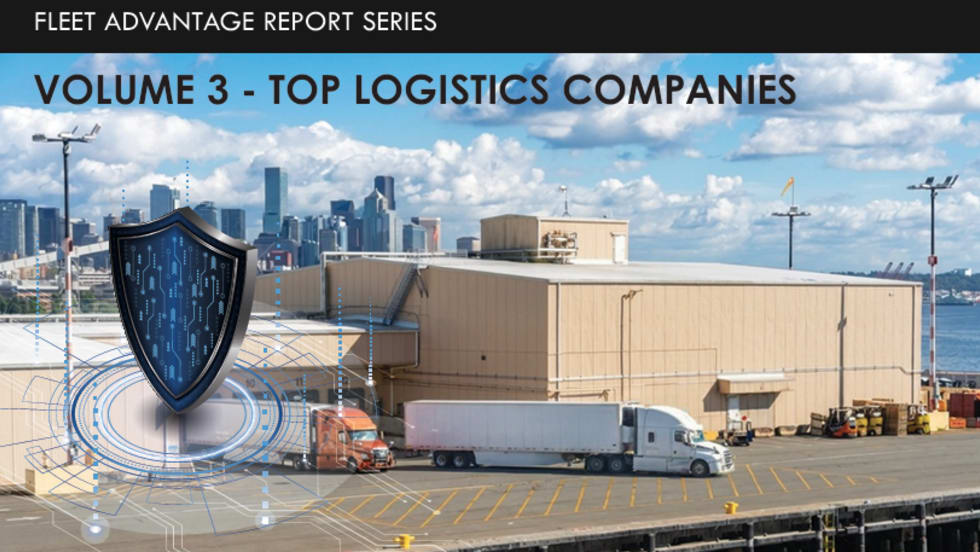
Fleet Advantage: Top Logistics Fleets Outperform National Safety Benchmarks
Fleet Advantage's latest TRUST Safety Index found leading logistics fleets maintained significantly lower out-of-service rates and stronger safety scores than national averages, while highlighting persistent challenges related to tires, brakes, and unsafe driving behaviors.
Read More →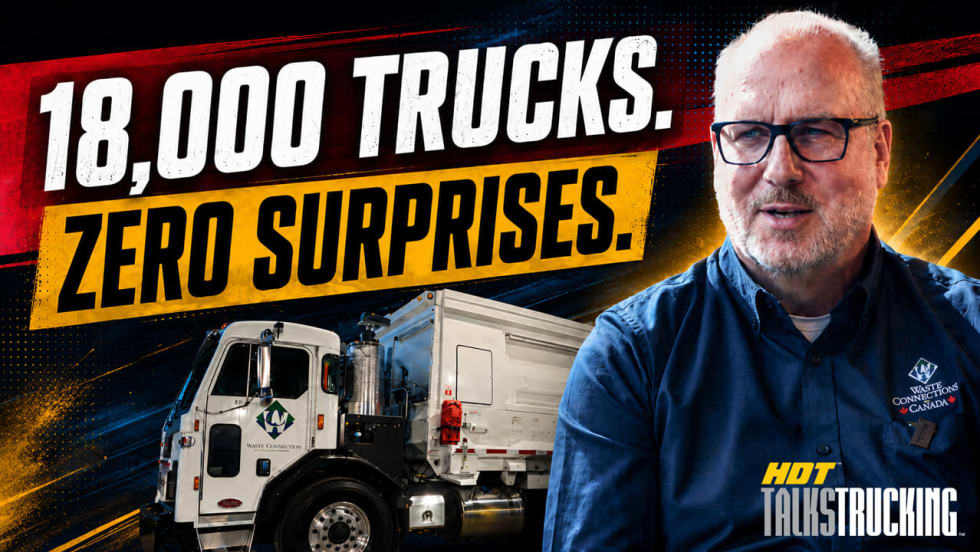
Why Fleet Data Matters More Than Ever at Waste Connections [Watch]
Waste Connections' Chuck Palmer explains how telematics, predictive maintenance, safety analytics, and AI help keep vehicles on the road and drivers safe in this episode of HDT Talks Trucking.
Read More →
Short Takes: How K&B is Using AI
Fleets need to "get on board the train" with AI, says Lance Evans of K&B Transportation in this HDT Talks Trucking Short Takes episode.
Read More →
Short Takes: Inside K&B’s Truck Safety Tech
Listen to learn how K&B Transportation uses cellphone-blocking technology, speed management systems, weather geofencing, bridge avoidance tools, and more to improve driver safety.
Read More →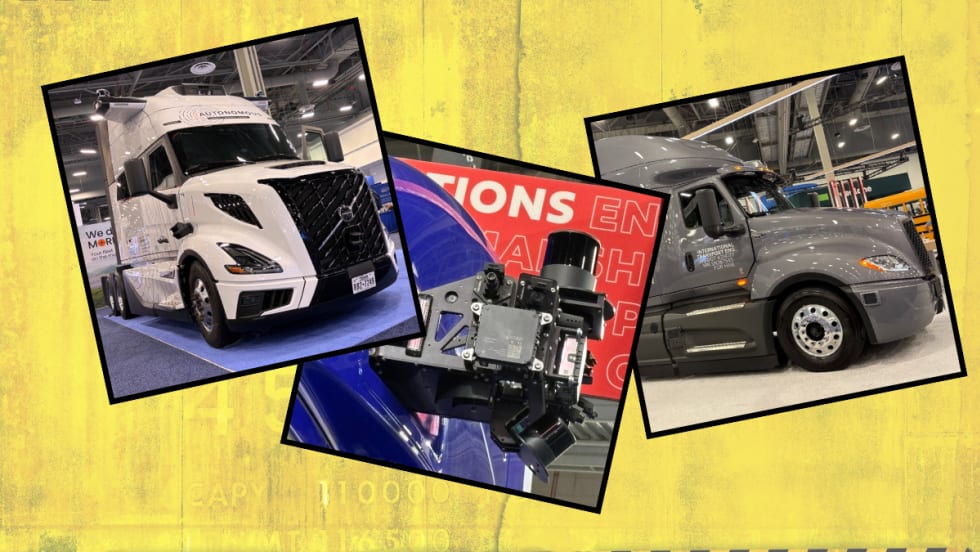
The Biggest Gap in Driverless Trucking Isn’t Tech. It’s Safety Validation
Nauto’s Stefan Heck says autonomous trucks are advancing quickly but proving they’re safe enough for large-scale deployment may be the industry’s hardest challenge.
Read More →
Truck Crash Rates Are Down. So Why Do Insurance Costs Keep Rising?
ATRI’s latest research points to litigation, social inflation, and soaring claims costs as key drivers behind record-high liability premiums for trucking fleets. But there are things motor carriers can do.
Read More →
FMCSA Removes More Than a Dozen ELDs from Registered List
The FMCSA continues its efforts to fight electronic logging devices that don't meet federal requirements, removing more than a dozen from the registered ELD list in May.
Read More →
How the Supreme Court Broker Liability Ruling Could Reshape Trucking’s Safety Landscape
The Supreme Court’s May 11 broker-liability ruling may not radically rewrite transportation law overnight. But industry experts say it will intensify pressure on brokers, carriers, and shippers to prove they are prioritizing safety.
Read More →
Recall of Fontaine Fusion Flatbeds Warns Owners Not to Use the Trailers
Some Fontaine Fusion flatbed trailer manufactured between February 2025, and March 2026 could have mainbeams weakened by hydrogen embrittlement because of a problem in the galvanizing process.
Read More →