





You May Like... ATRI: Trucking's Technician Shortage is Getting Worse
Western Star Expands Recall After Previous Battery Fix Fails to Prevent Fire Risk
After reports of corrosion and thermal events on trucks already repaired under a prior campaign, DTNA is recalling nearly 27,000 Western Star 47X and 49X models to address a battery junction stud defect.
February 17, 2026
Daimler Truck North America is recalling Western Star Trucks for a potential fire issue, including ones that already had a recall remedy last year.
HDT Graphic
4 min to read
Nearly 27,000 Western Star trucks are being recalled for a problem with a battery connection that could start a fire.
Daimler Truck North America is recalling certain 2020-2027 Western Star 49X and 2021-2027 Western Star 47X trucks. A stud connecting the battery to the starter at the frame rail may have been incorrectly installed or may corrode, which can cause a short circuit and lead to a "thermal event," such as a fire.
Although there are 26,958 potentially involved, DTNA estimates that only about 1% actually have the defect.
DTNA went through a recall last year for this problem, but the remedy was not effective.
Signs that the truck may have this problem include:
- A slow or no crank when starting the vehicle
- Corrosion present around the stud and/or cable lug.
Trucks Subject to the Recall
- The recall includes:
Certain model year 2021-2027 Western Star 47X and model year 2020 -2027 Western Star 49X trucks and tractors produced from start of production to February 3, 2026. - Certain model year 2026–2027 Western Star 47X and 49X vehicles produced between May 14, 2025, and February 3, 2026, that were manufactured using a revised manufacturing and inspection process that was designed to remedy the problem.
In both cases, this recall is limited to vehicles manufactured with a particular positive junction point stud that connects the battery and/or auxiliary power distribution to the starter at the frame rail.
A Melted Frame Rail and More Reports
DTNA discovered the safety-related defect last May and determined that in vehicles in the affected population, a positive junction point stud that connects the battery and/or auxiliary power distribution to the starter at the frame rail may have been installed incorrectly.
The remedy it devised involved revisions to the stud torque, consistent application of dielectric paint, and additional points of inspection of the cable lug orientation. The remedy was also implemented as an update in new vehicle production as of late May 2025.
As of late January 2026, DTNA had remedied just over 17,000 vehicles.
However, in early January 2026, DTNA received a report of a thermal event on a vehicle registered in New York that had the recall remedy.
According to that report, corrosion resulted in an arced cable that melted the vehicle’s frame rail.
Several more reports came in about corrosion at the junction point stud on vehicles that had the recall remedy performed, one that involved a thermal event and two that indicated the presence of smoke.
DTNA also reviewed warranty claims and identified more vehicles where the junction point stud failed after the remedy was performed, involving the presence of corrosion, but without any thermal events.
The Role of Winter Weather in the Western Star Recall
The warranty information indicated a number of these vehicles were registered in states that were experiencing winter weather at the time, which can accelerate the presence of corrosion.
DTNA’s warranty review also uncovered failures on vehicles that are not part of the prior recall because they were manufactured after the issue was corrected in production, all of which report the presence of corrosion but no thermal events. DTNA also inspected vehicles at the manufacturing facility.
It all pointed to a problem: The junction point stud remained susceptible to accelerated corrosion.
Because the reports were concentrated along the “salt belt” states and Canada, the problem with the recall remedy didn't show up until the winter weather led to the bolts being exposed to corrosive salts and de-icers.
So on February 4, DTNA decided to conduct a recall to address all vehicles that were affected by the prior recall as well as those produced with the prior revised manufacturing and inspection process.
DTNA is aware of approximately 52 warranty claims and 18 field reports dated between March 2023 through January 2026 potentially related to this issue. There are no reports of injuries or fatalities.
Looking for a New Remedy
The remedy is currently under development. Owner notification letters are expected to be mailed April 11, 2026. Owners may contact DTNA customer service at 1-800-547-0712. DTNA's number for this recall is F1029.
This recall replaces and expands NHTSA recall number 25V326. Vehicles already repaired under the previous recall will need to have the new remedy completed.
Quick Answers
Western Star is expanding the recall due to reports of corrosion and thermal events in trucks that were previously repaired, indicating that the initial fix was inadequate.
*Summarized by AI
More Maintenance

Wrong Repair Prompts Recall of Freightliner, Western Star 4x2 Trucks
DTNA is recalling more than 2,400 trucks that received an incompatible software fix instead of the hardware repair required to address brake valve corrosion.
Read More →
Truck Drivers Need More Than Another Alert
Fleets have more visibility into truck health, safety events, and driver activity than ever. The next challenge is turning all that information into useful guidance for the person who has to decide what to do next.
Read More →
The Maintenance Checks Trucking Fleets Should Prioritize Before Fall Freight Picks Up
Making it through August isn’t the same as being ready for the next several months of operation. Find out what systems may have suffered from summer heat and need to be checked out before fall.
Read More →
What Three Fleets Are Doing Differently When Buying Truck Parts in 2026
With freight improving but costs still climbing, fleet maintenance executives explain how they're balancing price, quality, and supplier relationships.
Read More →
Paccar Recalls 2027 Trucks Built This Summer for Possible Electrical Problem
The nearly 6,000 Kenworth and Peterbilt trucks in the recall could potentially lose engine power, among other things.
Read More →
Will API PC-12 Oil Change Trucking Fleet Maintenance?
The new API PC-12 heavy-duty engine oil category reflects the changing demands of modern diesel engines. But fleets like Foodliner are looking to getting their own data before making decisions on adopting the new oils and questions such as extending oil drain intervals.
Read More →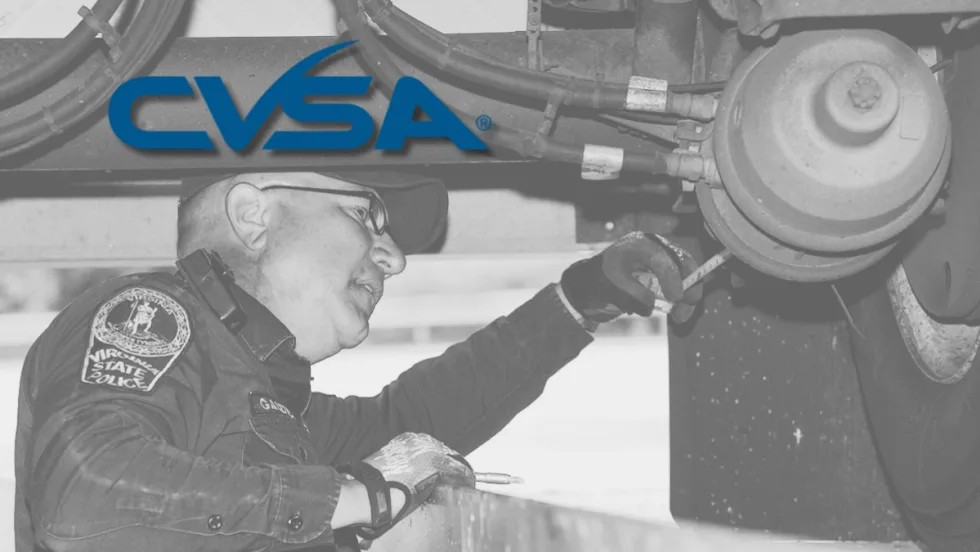
Brake Safety Week to Focus on Drums and Rotors
Commercial vehicle inspectors are focusing on truck brakes during CVSA's Brake Safety Week, August 23-29.
Read More →Possible Battery-Cable Fires Prompt Recall of 15,000+ International MV and HV Trucks
On the recalled vehicles, manufacturing variations can cause the battery interconnect cable to contact the auxiliary stud and hold down the bracket.
Read More →
Rush, MCT Team Up to Grow Refrigeration Service Network
The joint venture will operate MCT's network of Carrier Transicold dealerships and mobile service locations, with the companies promising greater service capacity and uptime for refrigerated fleets.
Read More →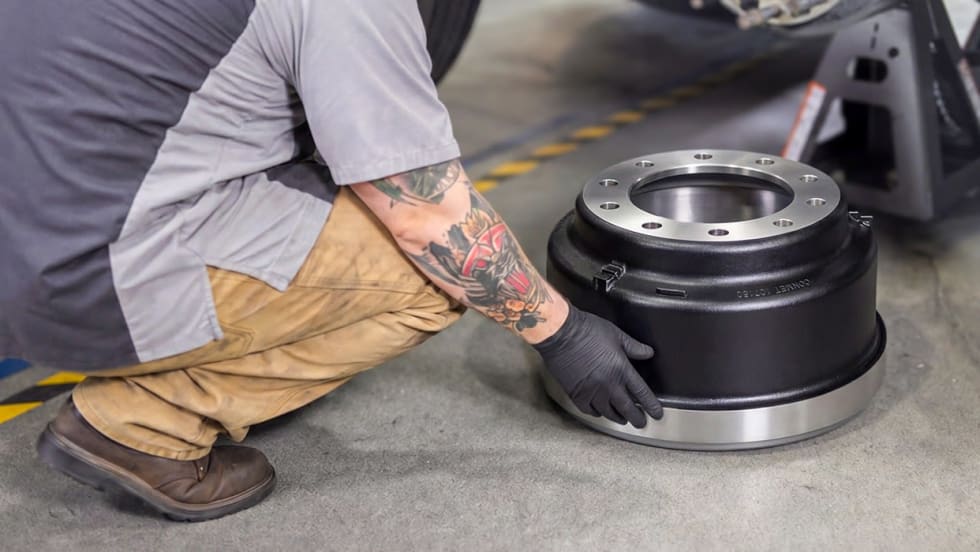
ConMet Expands Aftermarket Brake Drum Lineup With TruCast
A new heavy-duty truck brake drum option in the aftermarket gives customers more flexibility within the ConMet product family.
Read More →