




Tech Tips for Harsh Winter Weather
Bendix has some sure-fire tips to keep your trucks rolling in winter’s icy grip.

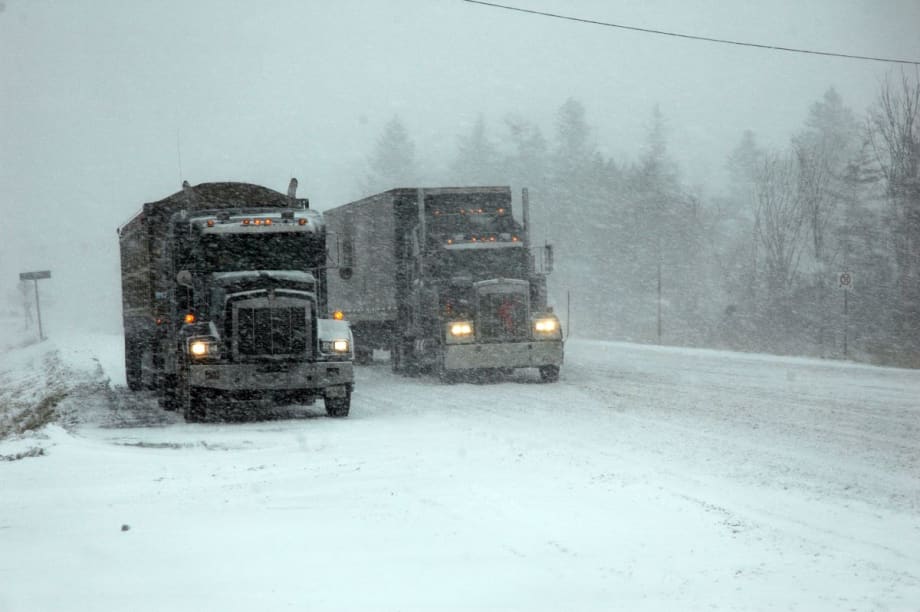
A few basic maintenance tweaks can make a big difference when winter's fury finally arrives.
Photo: Jim Park
In some parts of North America, it’s already time to break out the shovels and ice scrapers. While the first snowfall brings excitement for some, for the people at the wheel of North America’s trucks, it’s time to get ready for what’s to come. Keeping things safely rolling through the cold months means getting prepared before things get dicey.
This special installment of the Bendix Tech Tips series will help fleets and drivers be ready for what’s ahead.
Brake Checks
“In winter road conditions, it’s even more crucial that your brakes perform at their best – and the time to get them ready is before they’re put to the test on snow and ice,” said Mark Holley, Bendix director of marketing and customer solutions, wheel-end. “Fortunately, the most effective preventive maintenance practices for your brakes are pretty straightforward: regular inspections and lubrication.”
Drivers should keep an eye out during their normal walk-arounds for things like corrosion or damage to air brake chamber housings, since moisture and harsh road chemicals can gain a particularly damaging foothold in the winter. In the garage, technicians will want to make sure chamber dust plugs are seated properly to prevent corrosive materials from getting inside and causing internal damage.
A sealed chamber can provide extra protection, Holley added and said that the Bendix EnduraSure Pro sealed air chamber incorporates a dust plug with an integrated check valve. This allows air to escape from the air chamber but prevents moisture and other contaminants from entering the park side of the chamber.
On air-disc-braked vehicles, technicians should inspect the boots for punctures or tears – any opening into the caliper can lead to corrosion – and check the integrity of the guide pins. Replace parts where necessary, and make sure the shear adapter cover is in place and fully seated. The pads should move freely in the carrier, so you should remove them and clean the carrier surface with a wire brush, if necessary. Also check to ensure that the brake moves freely on its guidance system.
Lubrication keeps moisture from building up and enabling corrosion, and its importance cannot be overstated. Getting ready for winter means making sure all your automatic slack adjusters, clevis pin connections, cam tubes, shafts, and bushings are all newly greased.
Clearing the Air
“Your truck’s air system is significantly more vulnerable to trouble in the winter, especially if you’re driving through temperature changes and dealing with freeze-and-thaw cycles,” explained Jason Kolecki, Bendix director of marketing and customer solutions, air supply and drivetrain. “That means every system it’s connected to is also more susceptible to damage, from brakes to automated transmissions, advanced safety systems, and emissions controls.”
For starters, Bendix recommends manually draining the air tanks when the weather starts getting cold, getting rid of any moisture that remains from the warmer months. Draining the tanks every three months is a good year-round practice for typical line haul trucks anyway, though vehicles that use a lot of air – vocational trucks, for instance – might require monthly or even weekly draining.
If your air dryer cartridge hasn’t been replaced lately, it’s an easy and obvious winter-prep step, especially if you’re beyond the recommended preventive maintenance interval or you see moisture when you drain the tanks.
Excessive air consumption may also indicate that it’s time for a new cartridge. The dryer is a key defense component of your air system, particularly in winter, when moisture can condense and freeze, increasing the likelihood of valve and brake malfunctions.
These days, most truck manufacturers equip vehicles with oil-coalescing dryer cartridges, Koleci said, to protect against oil aerosols passing into the system – so if you pull one of these off your truck, make sure you replace it like-for-like. Oil aerosols passing through standard cartridges can cause malfunctions in the air system and shorten component life.
One other quick and simple piece of preventive maintenance is replacing the purge valve. Corrosion and grit accumulation can happen quickly in winter, so it’s best to start with a new one, particularly if your existing purge valve is already showing signs of either.
“The last big thing that comes up every year is to remind people about the hazards of using de-icing solutions on a frozen air system,” Kolecki said. “And we know that sometimes they’re unavoidable for getting trucks back on the road quickly and safely. But keep in mind that once they’re in the system, these chemicals can damage O-rings and valves, so you really should try to affect as small an area as you can and keep an eye on those parts later on in the garage.”
Supporting Your Advanced Driver Assistance Technologies
“Cold weather, wind, snow, ice, and sleet often make for rapidly changing and unpredictable road conditions, and there are several straightforward ways to keep driver-supporting systems like stability control and collision mitigation working at their best,” noted TJ Thomas, Bendix director of marketing and customer solutions, controls.
“In addition to making sure there are no active DTCs (diagnostic trouble codes), drivers can double-check their wheel-ends for adequate tire tread depth and unusual wear like cracking, along with making sure all bolts are tightened. And pre-trip inspections should include clearing obstructions like snow and ice from any external cameras and radars that are part of forward- or side-mounted collision mitigation technology or lane-departure warning systems.”
In the shop, technicians should ensure that tire pressure monitoring systems are operating properly: Running on the right inflation is important, and winter temperature swings can have an impact. Additionally, electrical connections can be checked to ensure they are secure and watertight – again, all in the name of safeguarding against infiltration by moisture, salt, and road chemicals.
When winter raises the safety stakes, the right maintenance and inspection practices can make all the difference.
More Maintenance

Color Match Smarter: Tools That Restore & Perform
For fleet managers and collision repair professionals keeping heavy-duty trucks on the road, getting the color right the first time isn't just about appearance — it's about efficiency, turnaround time, and bottom-line results. Discover how today's digital color tools are transforming the repair process from guesswork to precision.
Read More →
Wrong Repair Prompts Recall of Freightliner, Western Star 4x2 Trucks
DTNA is recalling more than 2,400 trucks that received an incompatible software fix instead of the hardware repair required to address brake valve corrosion.
Read More →
Truck Drivers Need More Than Another Alert
Fleets have more visibility into truck health, safety events, and driver activity than ever. The next challenge is turning all that information into useful guidance for the person who has to decide what to do next.
Read More →
The Maintenance Checks Trucking Fleets Should Prioritize Before Fall Freight Picks Up
Making it through August isn’t the same as being ready for the next several months of operation. Find out what systems may have suffered from summer heat and need to be checked out before fall.
Read More →
What Three Fleets Are Doing Differently When Buying Truck Parts in 2026
With freight improving but costs still climbing, fleet maintenance executives explain how they're balancing price, quality, and supplier relationships.
Read More →
Paccar Recalls 2027 Trucks Built This Summer for Possible Electrical Problem
The nearly 6,000 Kenworth and Peterbilt trucks in the recall could potentially lose engine power, among other things.
Read More →
Will API PC-12 Oil Change Trucking Fleet Maintenance?
The new API PC-12 heavy-duty engine oil category reflects the changing demands of modern diesel engines. But fleets like Foodliner are looking to getting their own data before making decisions on adopting the new oils and questions such as extending oil drain intervals.
Read More →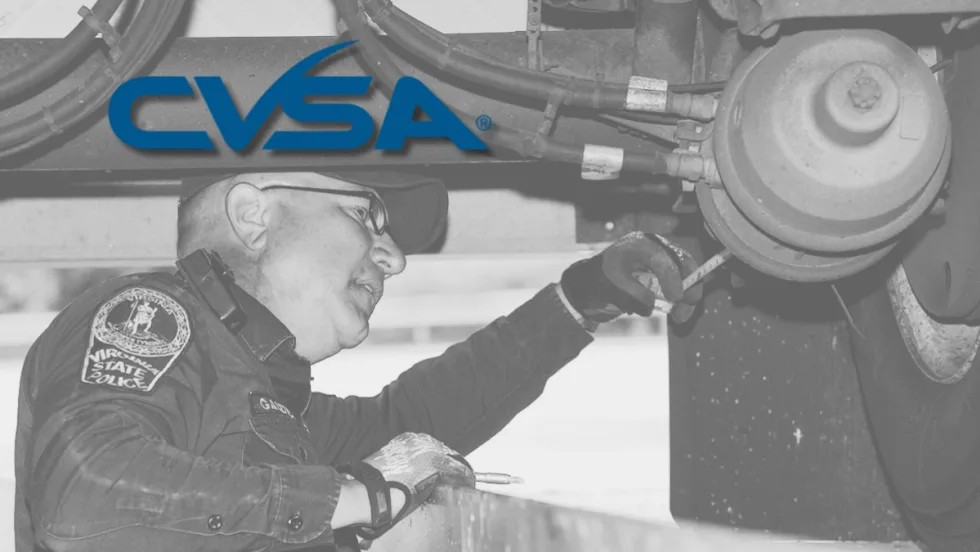
Brake Safety Week to Focus on Drums and Rotors
Commercial vehicle inspectors are focusing on truck brakes during CVSA's Brake Safety Week, August 23-29.
Read More →Possible Battery-Cable Fires Prompt Recall of 15,000+ International MV and HV Trucks
On the recalled vehicles, manufacturing variations can cause the battery interconnect cable to contact the auxiliary stud and hold down the bracket.
Read More →
Rush, MCT Team Up to Grow Refrigeration Service Network
The joint venture will operate MCT's network of Carrier Transicold dealerships and mobile service locations, with the companies promising greater service capacity and uptime for refrigerated fleets.
Read More →