




Preparation the Key to Handling Winter Weather
While most of the impact of a winter storm will directly affect drivers, many of the disruptions can be prevented by a well-maintained and prepared fleet.

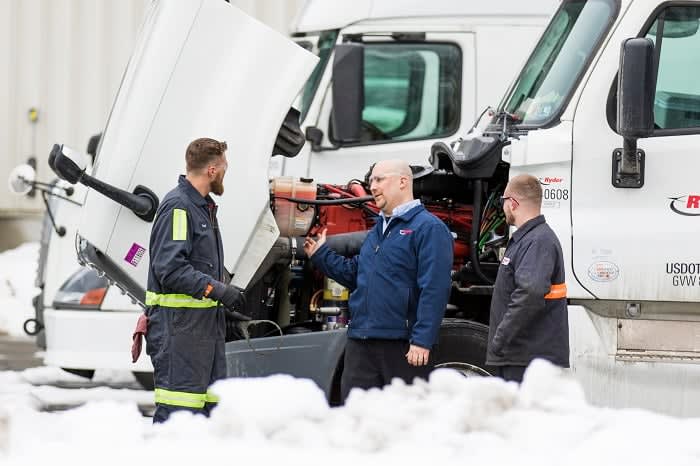
A key way that fleets can ensure that trucks are prepared for winter and drivers are able to get help if they need it, is to have a comprehensive maintenance partner. Photo: Ryder System

When Winter Storm Grayson blew through the Northeast, bringing snow, winds and freezing temperatures HDT spoke with Ryder System Vice President of Maintenance Operations and Engineering Bill Dawson about how to deal with bad winter weather.
While most of the impact from a winter storm will directly affect drivers, Dawson said that drivers are professionals, and many of the disruptions caused by a storm can be traced back to fleet preparedness.
“The last thing drivers want is to have an interruption because they’re the ones stuck by the side of the road -- they’re a participant, not the root cause of disruptions,” said Dawson. “The most common mistakes are made by not taking preventive measures that you need to take before winter arrives.”
All fleets should remember to prepare trucks for driving in difficult conditions by keeping trucks up to date on regularly scheduled maintenance and by keeping them prepped for cold conditions, such as by providing fuel that is treated and blended for low temperatures, said Dawson.
For instance, Winter Strom Grayson could bring temperatures as low as -40 degrees to parts of the U.S. and below zero temperatures up and down the entire East Coast. Diesel exhaust fluid can freeze at temperatures below 10 degrees Fahrenheit, even while a vehicle is idling, and low fuel tanks can trap condensation, which is prone to freezing, Dawson told HDT.
Fleets should have a well-thought-out process for keeping trucks that are not in operation from freezing during extremely cold temperatures so they are ready to go when needed.
Fleets also need to regularly keep drivers up to speed on training for winter driving, starting as early as September to discuss these topics with drivers. All drivers, including new drivers and drivers who are based in warmer climates that might be passing through winter weather, should have regular refreshers.
But beyond all fleet preparedness tactics, drivers are the ones who will be faced with dangerous conditions from snow, cold, and high winds. And the most important thing a fleet can do is allow the driver to make the right decision for the situation.
“Make sure they understand that they’re the captain of the ship, that they are able to make the decision and are supported by the management of the organization,” said Dawson. “If they don’t feel that the operation is safe, then they don’t need to complete that operation.”
“That’s not an easy thing to put in place because you run the risk of disrupting your supply chain, upsetting a customer – any number of things. But the truth is, anything less than that level of responsibility down at the driver level is asking for trouble.”
For drivers, there are obvious steps they can take to stay safer in winter:
Wear a seat belt
Watch the dashboard lights for maintenance problems
Be mindful of current conditions
Give 20 or more feet of additional space for safe stopping distance
Avoid hitting the brakes suddenly
Be careful about trucks idling at extremely low temperatures
Get snow and ice off of the roof for the safety of other motorists
Have a checklist to stay prepared for the worst
Have an emergency supply of water, blankets, clothes, and non-perishables in case they get stranded

It is also important for drivers to perform a high-quality pre-trip inspection to make sure a vehicle is ready to go. The idea is to avoid any maintenance problems if possible, especially those that might have been spotted beforehand. But despite all of the preparation, should a driver become stranded, getting help is the most important thing they can do to prevent disaster.
“Get in immediate contact with somebody that can help. Having someone you can reach out to immediately is extremely important,” said Dawson. “If you don’t think you’re going to have help provided quickly, call 911.
“Do not be a hero; do not leave yourself in harm’s way," he added. "Somebody needs to come get you if you’re stuck because it’s not going to get better by itself.”
A key way that fleets can ensure that trucks are prepared for winter and drivers are able to get help if they need it, is to have a comprehensive maintenance partner, either in-house or outsourced, Dawson suggested.
“Be smart. Start thinking about this in the autumn season and have a plan and make sure somebody or multiple people in your organization are directly responsible for executing that plan.”
A good source of information on winter weather is Ryder System’s winter preparedness website, which offers tips for fleets and drivers on vehicle maintenance and preparation and explains what Ryder does for fleets that partner with it for maintenance services.
More Drivers
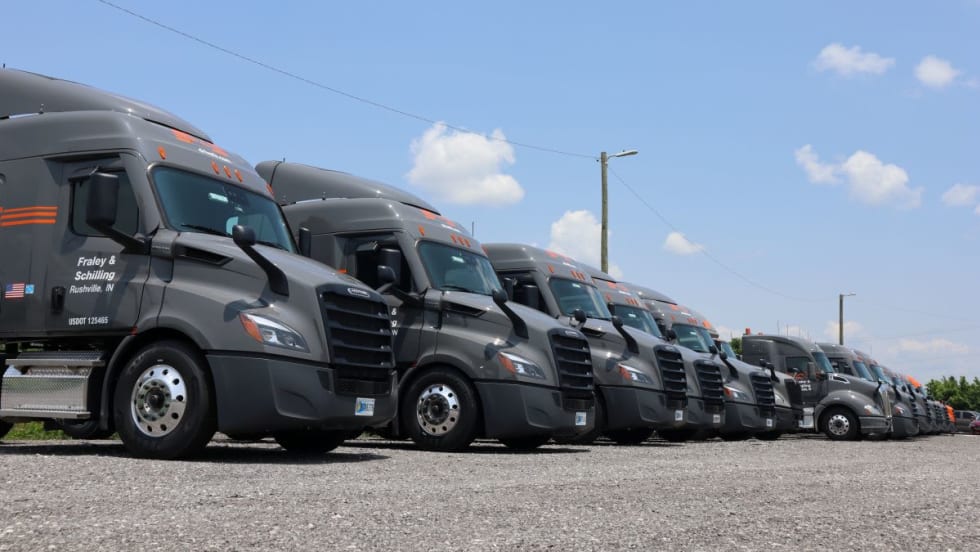
How Fraley & Schilling Improved Logbook Compliance by Over 50%
Fraley & Schilling needed a way to close a compliance workflow gap in its ELD system without adding more work from driver training, reminders, and back-office follow-ups. It found the answer in a custom driver app.
Read More →
Volvo Goes Gaming
Volvo has roared into American Truck Simulator with two new flagship trucks.
Read More →
What the Best Fleets to Drive For Teach About Driver Retention
Survey fatigue, AI-powered routing, owner-operator expectations, and the decline of social media all emerged as themes from this year's Best Fleets to Drive For program.
Read More →
Driver Retention Lessons From the Best Fleets to Drive For
What separates trucking's best workplaces from the rest? Jane Jazrawy shares the biggest lessons from this year's Best Fleets to Drive For program on driver retention, communication, AI, and workforce trends on the HDT Talks Trucking podcast.
Read More →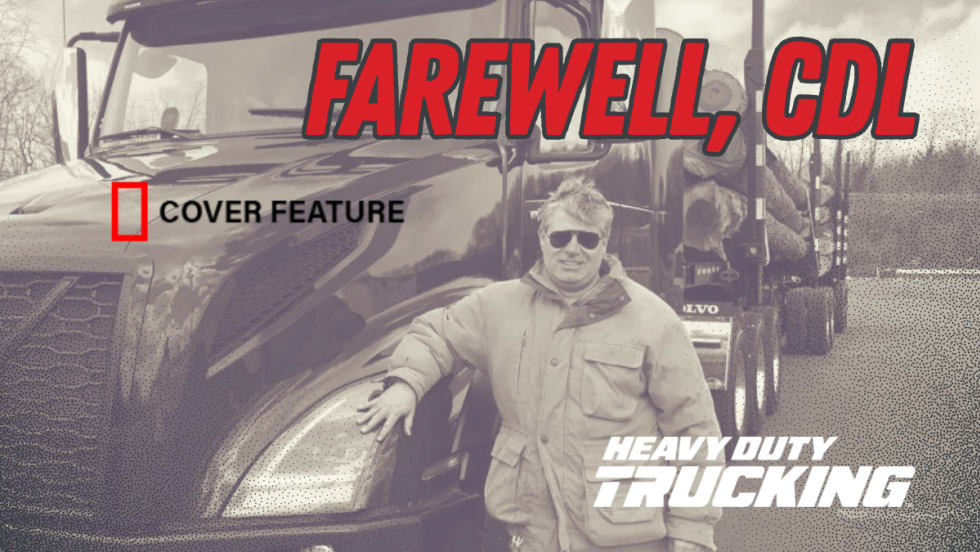
Farewell, CDL: Why I'm Giving Up My Commercial Driver's License
After more than 20 years as a CDL holder, HDT Executive Editor Jack Roberts is letting his commercial license expire. Not because he wants to — but because trucking's nuclear verdict crisis has made the risks of public-road test drives too great for editors, manufacturers, and everyone involved.
Read More →
How Top Trucking Fleets Improve Driver Retention [Video]
What do healthy snacks, optimized routing, and just picking up the phone have in common? They're all strategies the Best Fleets to Drive For are using to retain truck drivers.
Read More →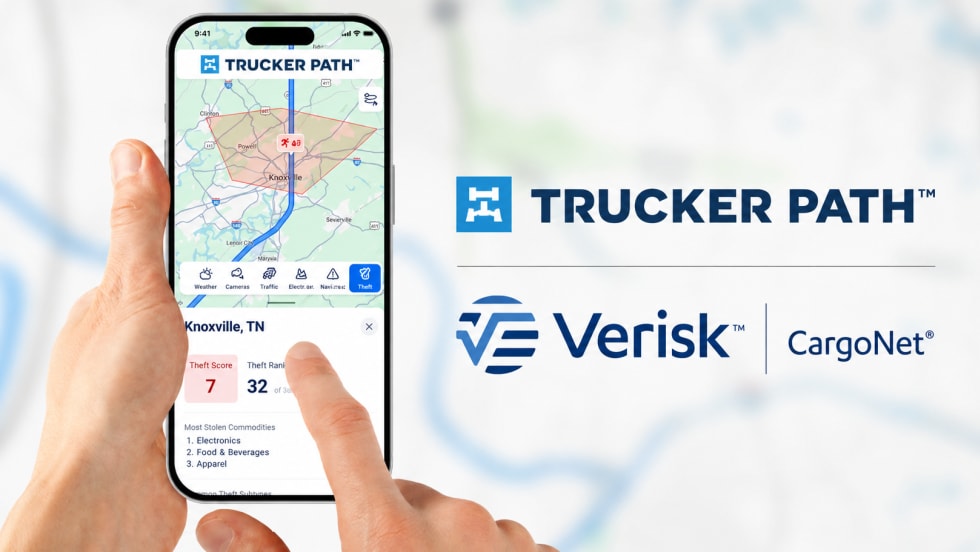
Trucker Path Adds Verisk CargoNet Theft Data to Navigation Platform
Trucker Path’s new cargo theft risk overlays give drivers and fleets visibility into high-risk areas, stolen commodity trends, and theft hotspots.
Read More →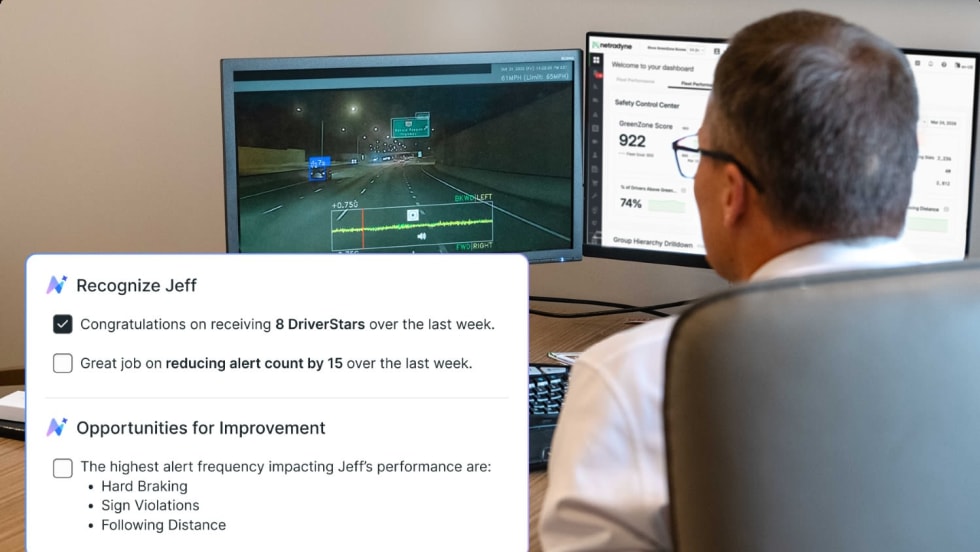
Netradyne Intelligence Uses New AI Agents to Automate Response to In-Cab Camera Data
The company called the next-generation in-cab camera safety platform "a fundamental shift from systems that report on what happened to systems that actively drive what should happen next."
Read More →
Why Truck Detention Keeps Costing Fleets Time and Money
A 2024 ATRI study found detention affects nearly 40% of truckload stops and costs the industry more than $15 billion annually. Despite the toll on drivers, fleets, and supply chains, the problem remains stubbornly persistent.
Read More →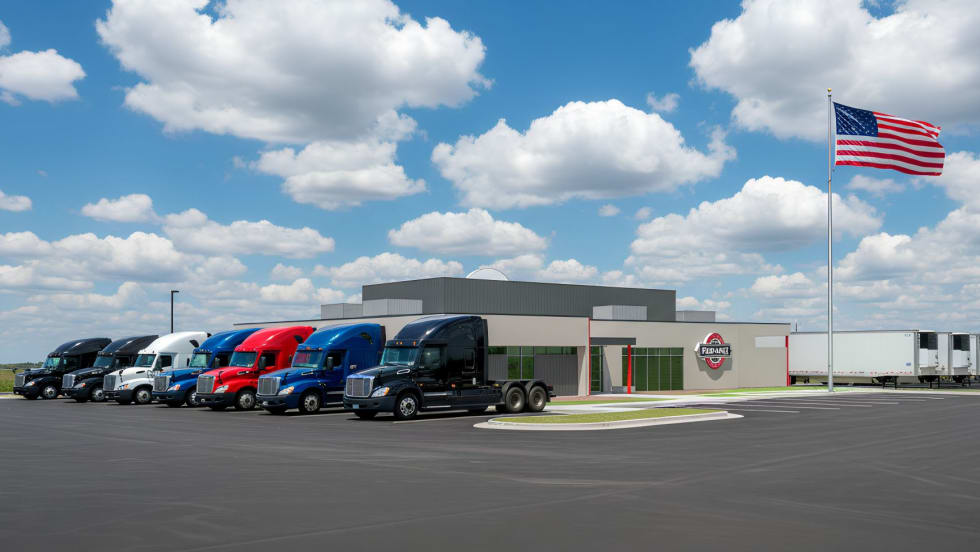
Prime Inc. to Open $7.9M Flagship Used-Truck Dealership
A new driver-focused facility to sell Prime Inc's used trucks and trailers will be the first purpose-built location in the company's history.
Read More →