





Don’t Fear the Blitz: How Truckers Can Own CVSA’s International Roadcheck
International Roadcheck 2026 to Target ELD Tampering and Cargo Securement
What fleets need to know about CVSA’s 72-hour inspection blitz and this year’s enforcement priorities.
February 18, 2026
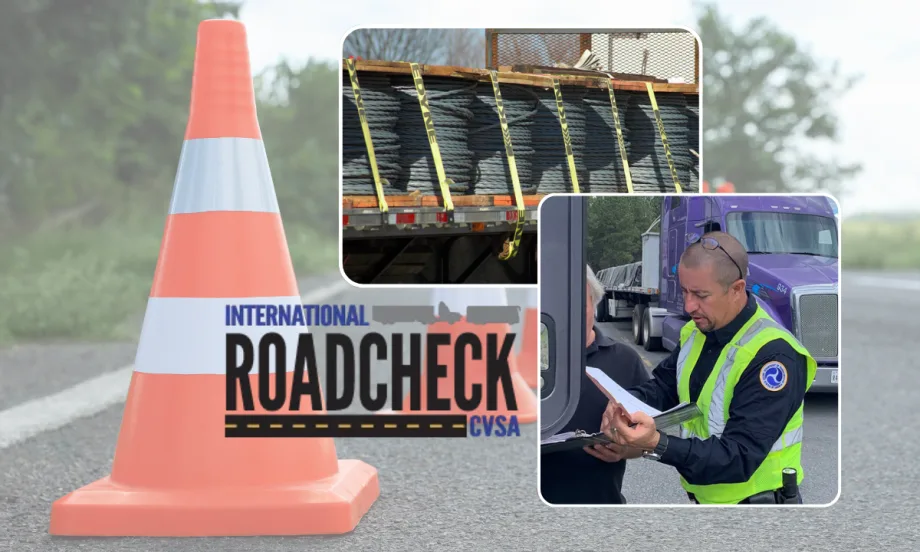
During Roadcheck, inspectors at weigh/inspection stations and pop-up inspection sites primarily conduct the North American Standard Level I Inspection.
Credit:
HDT Graphic. Photos Jim Park, CVSA
3 min to read
- The 2026 International Roadcheck will focus on identifying and preventing electronic logging device (ELD) tampering.
- Cargo securement will also be a major area of inspection during the 72-hour blitz conducted by CVSA.
- Fleets should prepare for increased scrutiny and ensure compliance with these enforcement priorities.
*Summarized by AI
This year's International Roadcheck 72-hour inspection blitz will focus on ELD tampering and cargo securement.
From May 12 to 14, enforcement personnel throughout North America will inspect commercial motor vehicles and their drivers for compliance with vehicle, cargo, and driver regulations.
Electronic logging device tampering and falsification has become a front-burner issue in the past year. In December, the Federal Motor Carrier Safety Administration announced a proposal to overhaul the vetting process for electronic logging devices that track truck driver hours-of-service compliance, but stopped short of requiring third-party certification.
Many in the industry say there are growing problems with unscrupulous motor carriers (often chameleon carriers) and unscrupulous ELD providers who edit driver logs to allow them to violate hours-of-service limits.
What is International Roadcheck?
The Commercial Vehicle Safety Alliance event is a 72-hour inspection, enforcement, and data-collection initiative.
During Roadcheck, inspectors at weigh/inspection stations and pop-up inspection sites primarily conduct the North American Standard Level I Inspection, a 37-step procedure that includes two major parts – an examination of the driver’s operating requirements and an assessment of the vehicle’s mechanical fitness.
Data will be collected during Roadcheck and the results will be released later this year.
ELD Falsification Focus
Each year, International Roadcheck places special emphasis on a driver violation category and a vehicle violation category to highlight those aspects of an inspection.
This year’s driver focus is on electronic logging device tampering, falsification or manipulation.
Inaccurate ELD entries may result from a driver’s lack of understanding of the federal regulations and exemptions. However, in some cases, inaccurate entries are purposefully used to conceal hours-of-service violations, and some records are manipulated to conceal driving time (with no indication the record was edited as required by federal regulations).
Last year, falsification of record of duty status was the second most-cited driver violation, at 58,382 violations. And five out of the top 10 driver violations were related to hours of service or ELDs.
Cargo Securement Focus
This year’s International Roadcheck vehicle focus is cargo securement.
Improper or inadequate cargo securement can affect the vehicle’s maneuverability. Unsecured loads can fall or become dislodged, resulting in roadway hazards or crashes.
In 2025, 18,108 violations were issued because cargo was not secured to prevent leaking/spilling/blowing/falling. Another 16,054 violations were issued for vehicle components or dunnage not being secured.
CVSA also focused on cargo securement during the 2023 Roadcheck.
More Details About CVSA’s Level 1 Inspection
For the driver portion of the inspection, inspectors check the driver’s qualifications, license, record of duty status, medical examiner’s certificate, seat belt usage, skill performance evaluation certificate (if applicable), and status in the Drug and Alcohol Clearinghouse (in the U.S.).
Inspectors also look for signs of alcohol and/or drug impairment. If inspectors identify driver out-of-service violations, they will place the driver out of service, restricting that driver from operating their vehicle.
For the vehicle portion of the inspection, inspectors assess brake systems, cargo securement, coupling devices, driveline/driveshaft components, driver’s seat, fuel and exhaust systems, frames, lighting devices, steering mechanisms, suspensions, tires, wheels, rims, hubs, and windshield wipers.
If out-of-service violations are found, the vehicle will be placed out of service and restricted from movement until all out-of-service violations have been properly addressed.
A vehicle that successfully passes a Level I or V Inspection without any critical vehicle inspection item violations may receive a CVSA decal, which is valid for up to three months. A valid decal signals to commercial motor vehicle enforcement personnel that the vehicle was recently inspected and did not have out-of-service violations.
What is CVSA?
CVSA is a nonprofit organization composed of local, state, provincial, territorial and federal commercial motor vehicle safety officials and industry representatives in Canada, Mexico and the U.S.
Its mission is to improve commercial motor vehicle safety and enforcement by providing guidance, education and advocacy for enforcement and industry across North America.
The Alliance aims to prevent commercial motor vehicle crashes, injuries and fatalities. It believes collaboration between government and industry improves road safety and saves lives.
More Safety & Compliance
More Trailer Data Through the Same Seven-Way [Video]
Can trucking’s standard seven-way connector handle more cameras and trailer data? Grote’s Adam Slade shows HDT how the company is using new technology with its 4See trailer system, not only to add a new backup camera but also to expand other capabilities — without adding another connection.
Read More →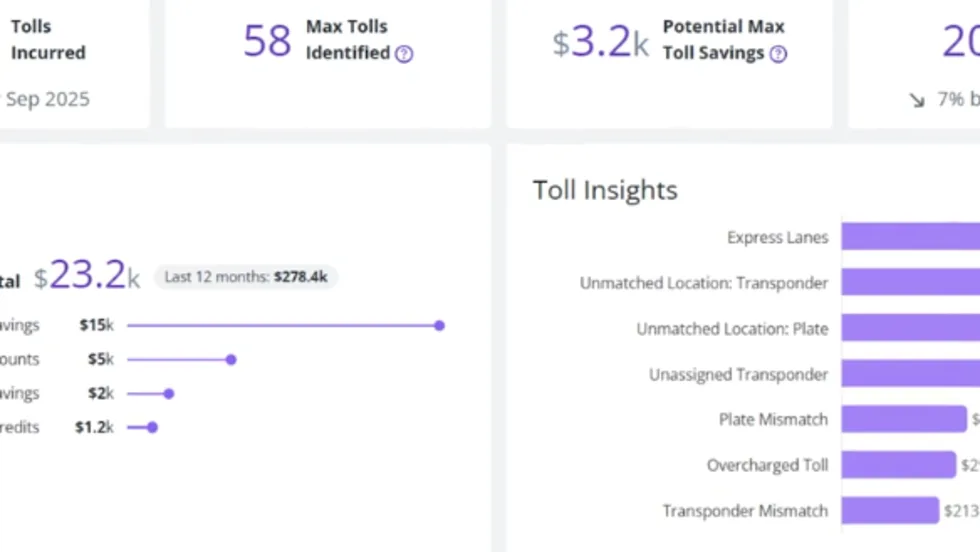
PrePass Intelligence Mines Fleet Bypass, Toll and Safety Data
PrePass Intelligence helps fleets measure bypass savings, flag potential toll overcharges, and spot suspicious transactions by combining data from separate systems.
Read More →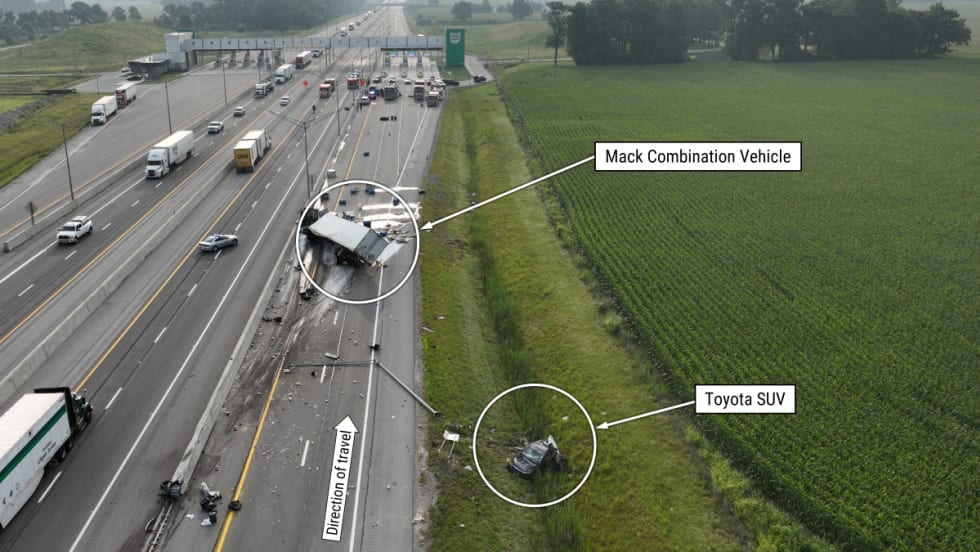
Fatal Crash Exposes Toll Plaza Risks
An NTSB investigation found that last-minute lane changes and large speed differences at an Ohio toll plaza created a hazard the truck driver couldn't avoid in time.
Read More →

When Language Stops the Truck: The Return of ELP Out-of-Service Orders
English language proficiency rules for commercial drivers aren’t new, but renewed out-of-service enforcement has raised the stakes. Here’s what carriers need to know before a driver reaches a roadside inspection.
Read More →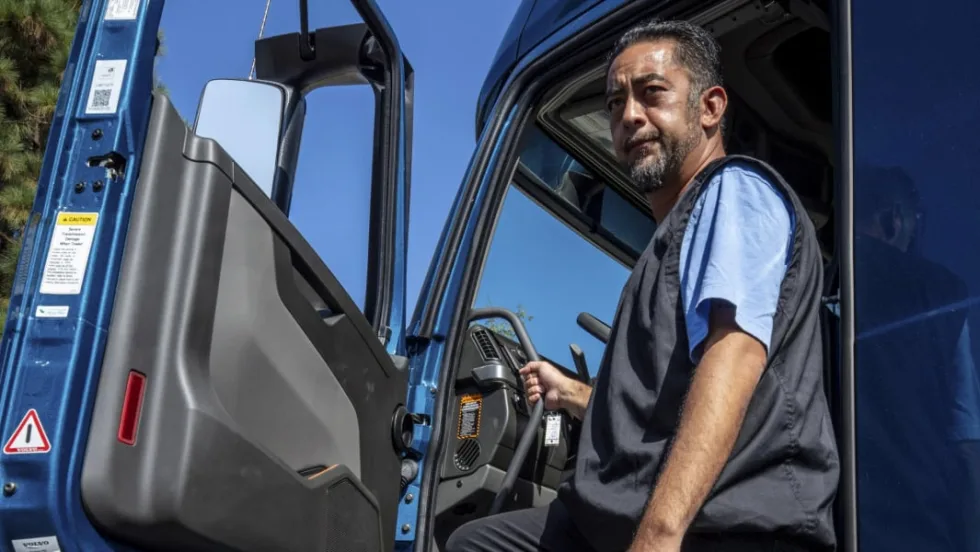
Sponsored•October 6, 2026
A Camera Isn't a Safety Program. Here's What Brokers Are Screening for Now
Footage alone may not be enough to pass broker vetting processes. Here's what counts as a defensible safety program now.
Read More →
Marijuana and Trucking’s Drug-Testing Dilemma
Marijuana is getting stronger, laws are changing, and drug tests still can’t reliably establish impairment. What does that mean for truck drivers and the fleets that employ them?
Read More →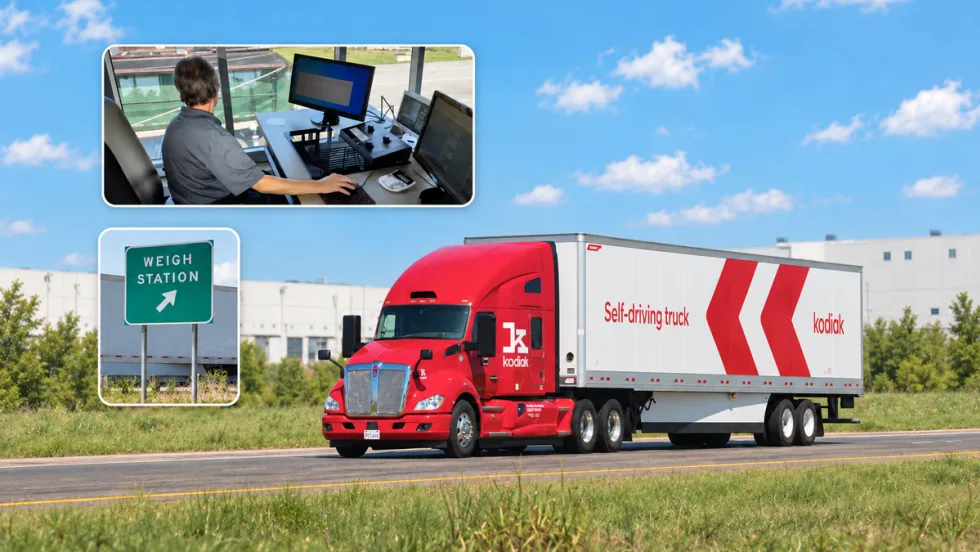
PrePass, Kodiak Connect Driverless Trucks to Roadside Enforcement
The system will allow enforcement agencies to verify Enhanced Inspection information and decide whether Kodiak’s autonomous trucks can bypass roadside screening sites.
Read More →
From One Generation to the Next: How Mentorship Builds Safer Truck Drivers
After three decades in trucking, Harold Perry shares what he's learned about driver safety, mentorship, and helping the next generation build confidence behind the wheel.
Read More →
FMCSA Pauses Biennial-Update Enforcement Amid Motus Transition
Carriers whose updates were due on or after June 1 have more time, while FMCSA works to stabilize its new registration system and warns of phishing sites impersonating its new carrier registration system, Motus.
Read More →
ZF Expands Commercial Vehicle Push in North America
ZF is expanding its North American commercial-vehicle presence with new transmission applications, electrification, trailer technology and autonomous-driving systems.
Read More →