




FMCSA Proposes Extending State Emergency Exemptions to 30 Days
After pushback from states and industry groups, FMCSA is proposing to reverse a 2023 rule change and lengthen the duration of state-issued emergency exemptions for disaster relief.

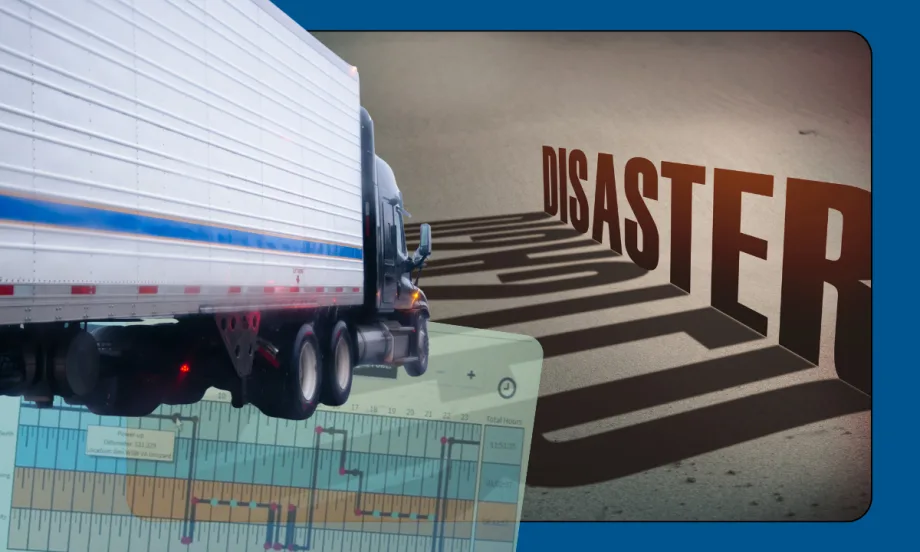
In 2023, FMCSA narrowed the scope of emergency exemptions following criticism of the broad, nationwide waivers issued during the COVID-19 pandemic.
HDT Graphic
- FMCSA is considering a proposal to extend state-issued emergency exemptions for disaster relief to 30 days.
- The decision comes in response to feedback from states and industry groups following a 2023 rule change.
- The proposed extension aims to enhance flexibility and effectiveness in responding to state emergencies.
*Summarized by AI
The Federal Motor Carrier Safety Administration is accepting comments through March 10 on a proposal that would extend how long emergency exemptions can remain in effect.
Under current rules, emergency declarations issued by governors automatically expire after 14 days unless FMCSA grants an extension. The new proposal would allow those exemptions to last up to 30 days — the same as national emergency declarations.
Reversing a 2023 Rule Change
Emergency declarations can be issued in response to natural disasters or other events that immediately threaten human life or public safety or disrupt essential services. They can be issued by the president, a state governor, or the Federal Motor Carrier Safety Administration.
In 2023, FMCSA narrowed the scope of emergency exemptions following criticism of the broad, nationwide waivers issued during the COVID-19 pandemic.
That rule limited the exemption to temporary relief from normal hours-of-service limits, so drivers can deliver critical supplies and services as quickly and safely as possible.
Before 2023, exemptions could also apply to other safety rules — including driver qualification and vehicle inspection requirements, and even prohibitions on operating while ill or fatigued. FMCSA said waiving those rules did little to improve emergency response. Those limits would still apply under the new proposal.
The key change involves how long the exemptions can last.
Under current rules, emergency declarations issued by governors are limited to 14 days unless extended. National declarations issued by FMCSA can last up to 30 days.
Why the Change Was Proposed
After the 2023 rule change, FMCSA received seven petitions for reconsideration, from the Commercial Vehicle Safety Alliance (CVSA); the governors of North Dakota, Montana, Idaho, and South Dakota; the Western Association of State Highway Transportation Officials Subcommittee on Highway Transport; the National Propane Gas Association; and the Owner-Operator Independent Drivers Association.
Six of the seven petitions asked FMCSA to reconsider the 14-day limit on governor-issued emergency declarations.
The cited specific examples of events where the emergency response lasted more than 14 days and argued that the process for requesting extensions made it necessary to request an extension before it was even known how much additional time would be needed.
FMCSA pointed to several recent cases where extension decisions came just before the exemption was set to expire, including:
- The collapse of the Francis Scott Key Bridge in Baltimore, Maryland, in 2024.
- The wildfires in western United States.
- The back-to-back hurricanes in North Carolina in 2024.
That Doesn’t Mean All Exemptions Last 30 Days
The proposal would not automatically make all exemptions 30 days long.
If a governor declares a 14-day emergency, the exemption would still end after 14 days. If a 30-day declaration is canceled after 20 days, the exemption would end at that point as well.
The emergency relief still only applies to motor carriers and drivers providing “direct assistance” during the emergency.
What FMCSA Wants to Know from the States
FMCSA is seeking input from all stakeholders, but it is especially interested in feedback from states on:
- How frequently have emergency declarations issued by your state required extensions beyond the current regulatory limit (14 days)?
- To what extent would the proposed rule reduce the number of extension requests that your state needs to submit annually?
- What are the estimated administrative costs incurred in preparing and submitting requests for extensions of emergency declarations?
- Would the proposed rule lead to any changes in your state’s resource allocation or staffing needs as it relates to emergency management and regulatory compliance?
Submit a Comment
To submit a comment, go to Regulations.gov and enter Docket No. FMCSA-2025-0124.
As of February 18, only four comments had been submitted.
In one of them, the Montana Department of Transportation supported the change and offered an example. Montana's governor signed an emergency declaration for a flood on December 17, 2025. MTS requested a 30-day extension on the same day the governor signed the emergency declaration. As of February 2, 2026, it had not yet received a response from the FMCSA on that request.
More Safety & Compliance
PrePass, Kodiak Connect Driverless Trucks to Roadside Enforcement
The system will allow enforcement agencies to verify Enhanced Inspection information and decide whether Kodiak’s autonomous trucks can bypass roadside screening sites.
Read More →
From One Generation to the Next: How Mentorship Builds Safer Truck Drivers
After three decades in trucking, Harold Perry shares what he's learned about driver safety, mentorship, and helping the next generation build confidence behind the wheel.
Read More →
FMCSA Pauses Biennial-Update Enforcement Amid Motus Transition
Carriers whose updates were due on or after June 1 have more time, while FMCSA works to stabilize its new registration system and warns of phishing sites impersonating its new carrier registration system, Motus.
Read More →
ZF Expands Commercial Vehicle Push in North America
ZF is expanding its North American commercial-vehicle presence with new transmission applications, electrification, trailer technology and autonomous-driving systems.
Read More →
Truck Drivers Need More Than Another Alert
Fleets have more visibility into truck health, safety events, and driver activity than ever. The next challenge is turning all that information into useful guidance for the person who has to decide what to do next.
Read More →
Tesla Wants a Self-Driving Semi. Are Cameras Enough?
Could Tesla’s camera-only autonomous driving technology work on an 80,000-pound Semi? In this commentary, HDT's Deborah Lockridge takes a look at Tesla, Cybercab, and how autonomous trucks see the road.
Read More →
What DOT’s Automated Vehicle Strategy Means for Trucking
The U.S. Department of Transportation issued a new automated-vehicle strategy that outlines plans for driverless-truck regulations, cross-state freight corridors, and federal safety standards.
Read More →
NYC Expands Speed, Pedestrian Safety Tech Across Fleet
New York City is expanding intelligent speed assistance and pedestrian-alert systems across its municipal fleet, moving the technologies from pilot programs into vehicle procurement and retrofit requirements.
Read More →
FMCSA Removes 110 Truck Driver Training Schools from Certified ELDT List
Federal regulators also are targeting more than 160 additional training providers and launching a nationwide audit of third-party CDL skills testers as part of a broader crackdown on trucking fraud.
Read More →
Beyond DOT Compliance: What Makes a Trucking Fleet Truly Safe?
A trucking fleet can follow every rule and still make unsafe decisions. The real test comes when safety conflicts with freight, productivity, or cost.
Read More →