




FMCSA Locks in Non-Domiciled CDL Restrictions
After a legal pause last fall, FMCSA has finalized its rule limiting non-domiciled commercial driver's licenses. The agency says the change closes a safety gap, and its revised economic analysis suggests workforce effects will be more gradual than first thought.

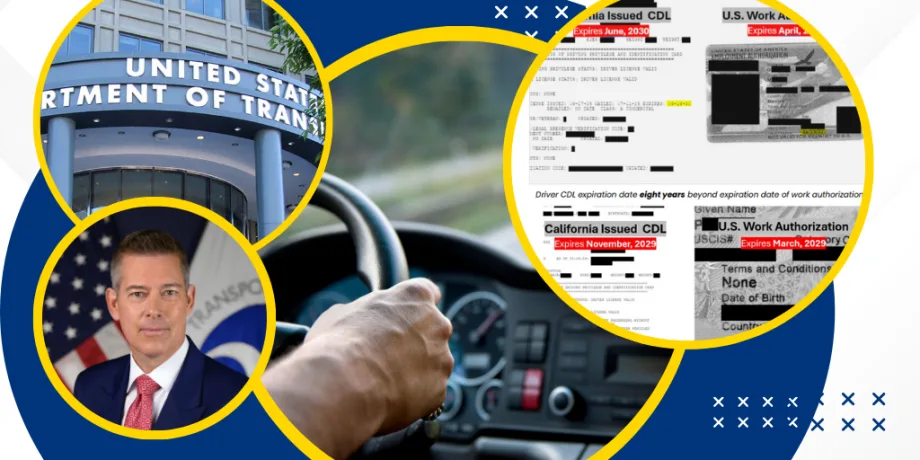
A new rule goes into effect in March limiting who is eligible for a non-domiciled commercial drivers license or permit.
HDT Graphic
The Federal Motor Carrier Safety Administration moved swiftly to issue a final rule limiting non-domiciled commercial driver’s licenses after a legal challenge put an emergency version of the rule on pause last fall.
Non-domiciled CDLs are issued to people who are legally allowed to work in the U.S. but do not permanently live in the state issuing the license. This is often foreign nationals working under temporary U.S. work authorization. However, FMCSA said it found major problems with states issuing these licenses improperly and said it leads to unsafe drivers on the road.
In the September emergency rule, FMCSA limited non-domiciled CDL eligibility to individuals on H-2A, H-2B, or E-2 visas. It excluded other categories such as asylum seekers, refugees, and Deferred Action for Childhood Arrivals (DACA) recipients, who previously were eligible for non-domiciled CDLs.
The rule was challenged in court because it did not go through the legally required rulemaking process. The U.S. Court of Appeals for the D.C. Circuit temporarily stayed the rule in a November 10 order.
Since then, FMCSA has continued to pressure states it said were flagrantly ignoring the previous non-domiciled CDL rules.
Did the FMCSA Make Changes in its Revised Non-Domiciled CDL Rule?
There were about 8,000 comments on that IFR, but in issuing its final rule, FMCSA said it reaffirms the emergency rule with only minor changes.
“This final rule closes a critical safety gap in the nation’s commercial drivers licensing system that has manifested in two ways,” FMCSA said:
- The issuance of licenses to individuals whose safety fitness cannot be adequately verified by state driver licensing agencies.
- The reliance on Employment Authorization Documents to demonstrate eligibility for a non-domiciled CDL, which has proven administratively unworkable and resulted in widespread regulatory non-compliance.
As Trucksafe Consulting’s Brandon Wiseman explained, the September emergency rule restricted non-domiciled CDL eligibility to foreign-domiciled holders of H-2A, H-2B, or E-2 statuses, requiring proof through an unexpired foreign passport with I-94. SDLAs were mandated to:
- Limit credential validity to the immigration document’s expiration (maximum one year, renewable with renewed proof).
- Verify statuses using the Systematic Alien Verification for Entitlements (SAVE) system.
- Retain document copies and SAVE queries for at least two years, producible within 48 hours upon FMCSA request.
- Downgrade credentials if eligibility lapses.
In those thousands of comments, groups such as the Owner-Operator Independent Drivers Association and the American Trucking Associations praised the rule for improving safety and reducing fraud.
Critics argued that it was discriminatory, would shrink the pool of truck drivers, was not backed up by strong data, and overlooked alternatives such as enhanced SAVE checks.
But in the end, the only changes to the rule involved clarity, such as removing redundant text and refining document verification and retention.
Details of the New Rule
Effective March 15, the new final non-domiciled CDL rule applies to state licensing agencies issuing non-domiciled credentials:
- Eligibility: Restricted to H-2A, H-2B, or E-2 holders; proof via passport/I-94.
- Validity and Renewal: Matches immigration documents (≤1 year); renewable with updated proof.
- Verification and Records: SDLAs must use SAVE, retain documents/SAVE queries for two years, and respond to FMCSA requests within 48 hours.
- Downgrades: Required if status changes; no new driver notification system.
What Will the Effect be on Trucking Fleets?
Brandon Wiseman of Trucksafe Consulting said in a blog post, “For fleets, the immediate impact may not be overly dramatic, but important to consider.”
One notable change, he said, was FMCSA’s economic analysis. In the interim rule, the agency assumed that most non-domiciled CDLs had relatively short validity periods. But after auditing state records, the FMCSA concluded that most properly issued non-domiciled CDLs had expiration dates of up to 5 years.
Instead of a sudden loss of around 194,000 drivers, FMCSA concluded that any reduction in the non-domiciled driver population would occur gradually as licenses expire and are not renewed under the new eligibility standards.
So even though the rule could eventually affect hundreds of thousands of non-domiciled CDL holders, the impact will be spread over several years rather than all at once.
More Drivers
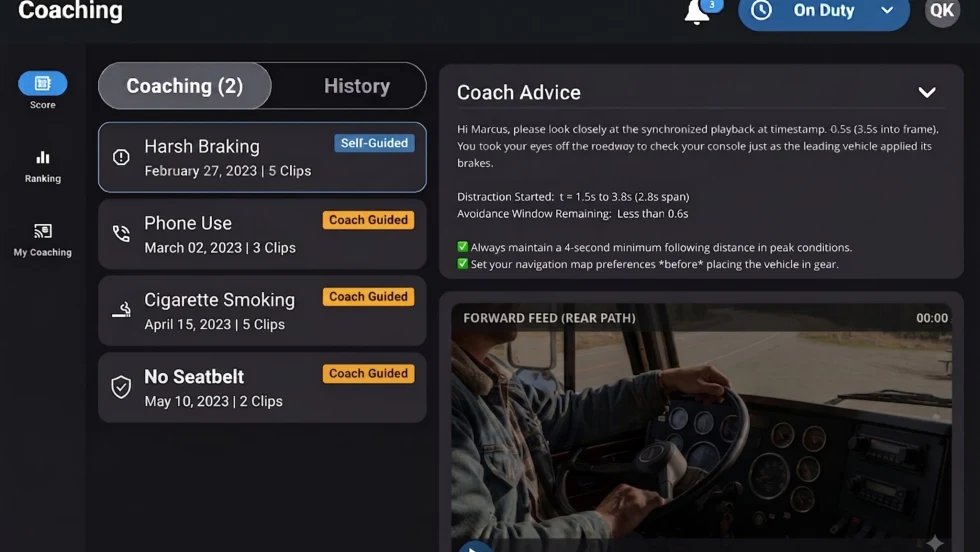
Platform Science Adds Dispatch and Safety Tools
Four additions to PS Fleet help fleets monitor loads, manage driver coaching, share truck locations and adjust video system settings.
Read More →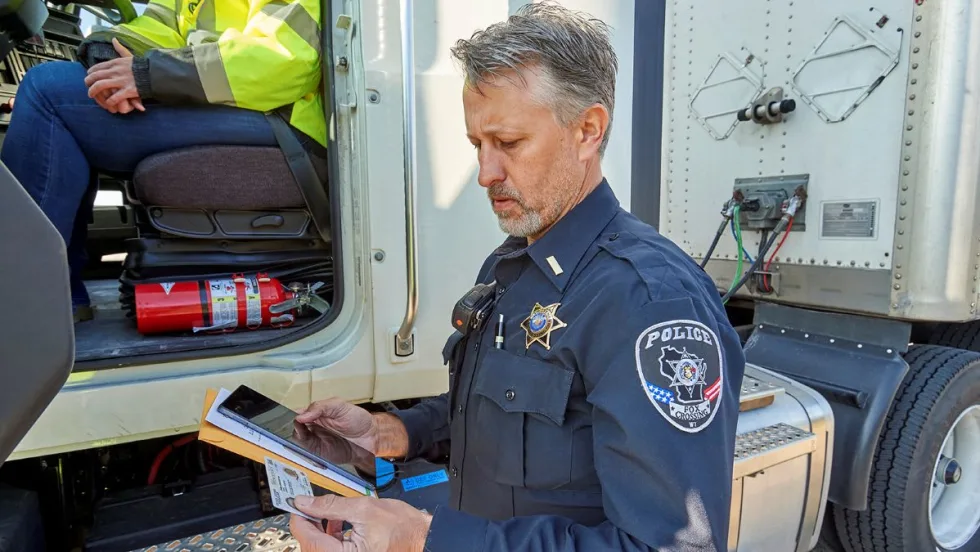
When Language Stops the Truck: The Return of ELP Out-of-Service Orders
English language proficiency rules for commercial drivers aren’t new, but renewed out-of-service enforcement has raised the stakes. Here’s what carriers need to know before a driver reaches a roadside inspection.
Read More →
Samsara Launches Custom AI Agent Builder
Agent Studio lets fleets create AI tools for hours-of-service monitoring, reporting and driver support, including agents that communicate by phone.
Read More →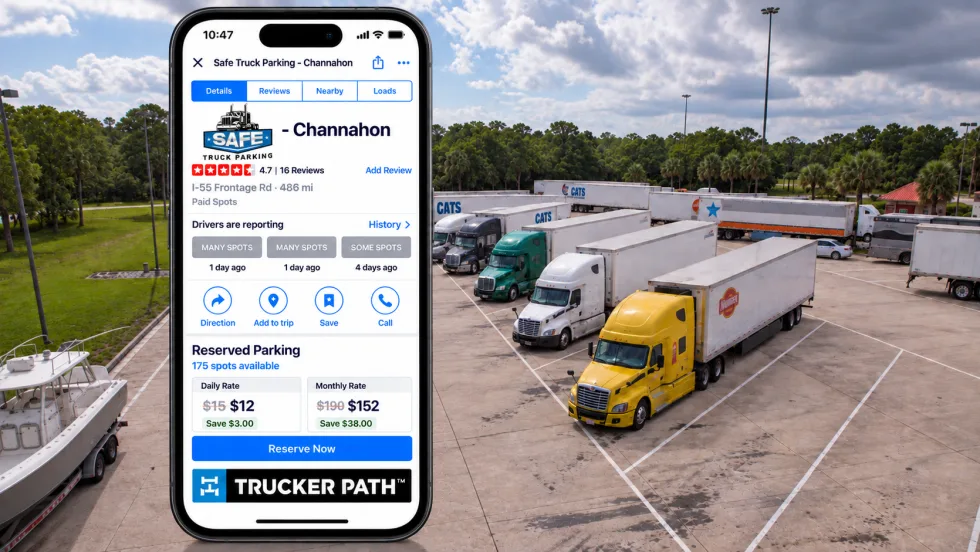
Trucker Path Expands Reserved Parking Network
Trucker Path has added close to 6,000 more truck parking spaces to its Trucker Path Reserved Parking Network with the addition of Safe Truck Parking.
Read More →
EEOC Sues Texas Trucking Company Over Driver Age Limits
The agency says Trancasa USA rejected applicants over 65 and applied tougher driving-record standards to those over 60.
Read More →
Nussbaum, Roehl Announce Second Driver Pay Increase This Year
This year has seen a swath of major truck driver pay increases as freight capacity has tightened.
Read More →
From One Generation to the Next: How Mentorship Builds Safer Truck Drivers
After three decades in trucking, Harold Perry shares what he's learned about driver safety, mentorship, and helping the next generation build confidence behind the wheel.
Read More →
Truck Drivers Need More Than Another Alert
Fleets have more visibility into truck health, safety events, and driver activity than ever. The next challenge is turning all that information into useful guidance for the person who has to decide what to do next.
Read More →
FMCSA Removes 110 Truck Driver Training Schools from Certified ELDT List
Federal regulators also are targeting more than 160 additional training providers and launching a nationwide audit of third-party CDL skills testers as part of a broader crackdown on trucking fraud.
Read More →
Hours of Service Pilot Programs: FMCSA Readies for 2027 Rollout
Two pilot programs could eventually reshape hours-of-service rules, giving truck drivers options to pause their 14-hour clock or use longer split sleeper rest periods.
Read More →