




Preventing Truck Air System Freeze-ups
Air system maintenance on trucks is critical in the winter; less than a teaspoon of water could disable a truck in a winter deep freeze. Here's why, and what you can do about it.

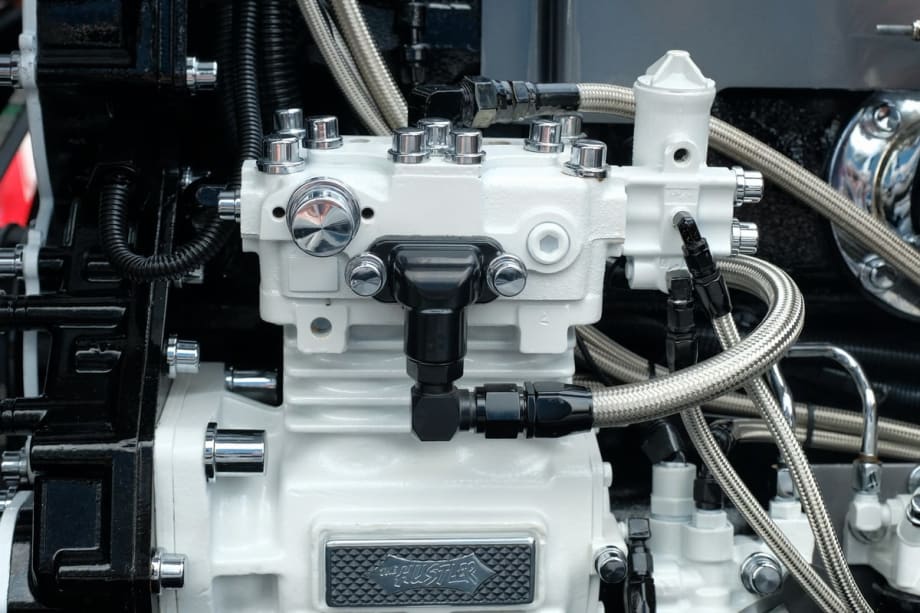
As compressors age, they spew more oil, which when mixed with water in the dead of winter, creates oily slush that can jam air lines and brake valves.
Photo by Jim Park
Cold temperatures and water can lead to only one outcome – and ice has no place in a truck's air system. Frozen moisture can disable compressors, along with any of the multitude of air valves in the system. Plunging temperatures, like we have seen across much of the Lower 48 in recent weeks, will put air systems to the test.
Compressed air always contains moisture, and when the air leaves the compressor, it’s hot. But as it travels through the line from the compressor to the air dryer, it cools, and that’s when the moisture in the compressed air condenses to liquid. If it's cold enough, that liquid will freeze, threatening the air supply to various systems, including transmissions, suspensions, and of course, brakes.
A heavy truck's air compressor puts out 4-6 ounces of water during an average day’s operation; more when operating in regions of high relative humidity, and less when air is cold and dry. If all that water is sloshing around in your air reservoirs or some other spot further downstream, you could be in trouble when temperatures plummet.
Air Compressors and Air Dryers
Your first line of defense is the air dryer, but there’s potential for trouble even before that. While it’s unlikely under normal circumstances, water vapor can freeze in the line from the compressor to the air dryer. If you have a particularly long line, or if the line has any restrictions or 90-degree-angle fittings, you’ve got a potential spot for problems. Any low points in the line can provide a point for water to collect and freeze, cutting off the air supply to the air dryer and thus the rest of the air system.
If the compressor discharge line becomes plugged, you'll probably hear the compressor banging away as the pressure builds up in the discharge line. Or, if you hear a loud rush of air, it could indicate that the safety valve on the discharge line has opened to relieve the pressure in the line. Either of those symptoms would indicate a blockage or restriction somewhere between the compressor and the air dryer.
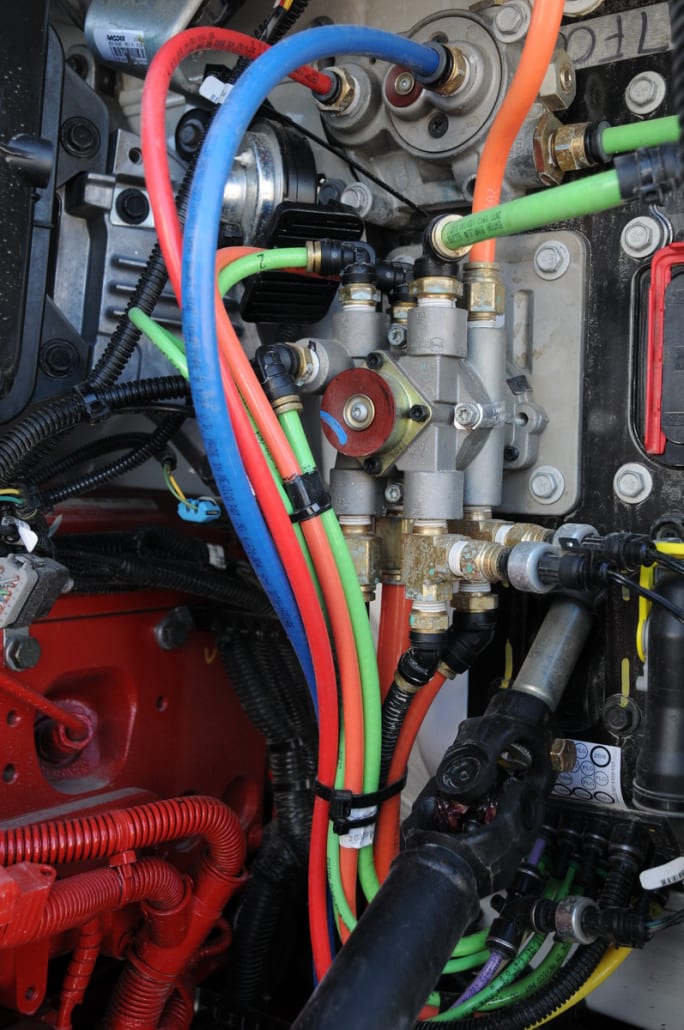
Moisture that slips past an air dryer with a contaminated desiccant cartridge can lurk in brake plumbing like a time bomb waiting for a minus-40 cold snap.
Photo by Jim Park
If you know anything about the venturi effect, an older and carbon-choked discharge line can be especially susceptible to ice formation. As the warm moist air leaves the compressor and encounters a restriction in the discharge line (in effect, a venturi), the change in pressure on the downwind side of the restriction causes a rapid and dramatic drop in temperature – sometimes as much as 70 degrees – that will turn moisture to ice almost instantly. That ice can build up in the discharge line, eventually choking it completely.
Air compressors almost always pass a small amount of oil, which usually collects harmlessly in the air dryer or the wet tank. Older compressors can pass much more oil, which can prematurely foul the desiccant material in the air dryer and reduce its ability to remove moisture from the air. The mucky mixture of oil and water from a slobbery compressor also increases the risk of a blockage in the air line as the ice and oil bind together.
"It's normal for most compressors to pass a little oil, but if you constantly have to replace your air-dryer desiccant cartridge you may have excessive oil passage," says Jonathan Adams, product manager at Tectran, a manufacturer and marketer of air, hydraulic and electrical components and systems. "Air dryer effectiveness and air system performance decline quickly as oil is passed into the desiccant cartridge. Check your wet tank for moisture and other contaminants."
If you see sludge in your wet tank, oil is getting through the air dryer and passing into the downstream air system.
Most air dryers are equipped with heaters to prevent the collected waste from freezing in the purge valve reservoir, but these heater elements can fail too. It’s possible that air could leak past the purge valve if it doesn’t seat properly due to ice after a purge cycle, causing a loss of air through the open valve. Air won’t escape from the tractor reservoirs because of the one-way check valves, but the air used in brake applications and by the suspension won’t be replaced.
Drivers can check the condition of their air dryers by observing how much water and oily sludge comes from the wet tank when it's drained, notes Abe Aon, director of sales, Wabco North American Aftermarket. "We don’t recommend completely draining all reservoirs every day," he says. "Pulling on the drain cord or opening the drain cock for just a few seconds is a good indicator of the overall health of the air system."
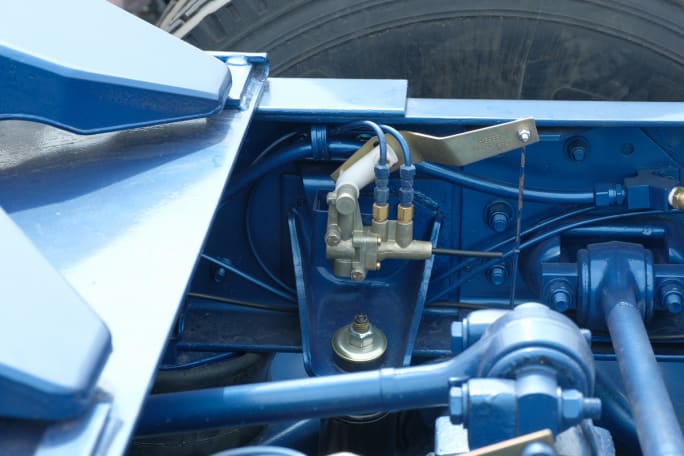
A chunk of ice the size of a pinhead can jam the tiny passages inside air valves, rendering them useless.
Photo by Jim Park
For linehaul applications, most OEMs and air dryer manufacturers recommend replacing the air dryer cartridge every 2-3 years. The air dryer cartridge on vocational vehicles such as garbage trucks should be changed much more frequently. Some fleets can go longer or shorter between cartridge changes than others due to the climate they run in, the amount of air that they use, or the age of the vehicle, Aon says. "Older vehicles tend to have more air leaks and compressors that pass more oil."
Oil & Water Don't Mix
Since there will always be some oil in the compressor discharge air, and moisture too, the idea is to trap it before it gets downstream where it might do some damage.
"The first place it goes is into the air dryer contaminating the desiccant material," says Richard Nagel, director of marketing and customer solutions, air charging, at Bendix. "That's why air dryers lose efficiency. The desiccant does not expire or get used up, but it can become saturated with oil and it will no longer be capable of removing moisture."
Even though the compressor might be the problem, fleets are more likely to change the cartridge and service the air drier more frequently because that's much less expensive than replacing the compressor -- which can be a 6- to 8-hour job, plus the cost of the compressor.
"It might be cheaper to replace the desiccant cartridge more often, but the desiccant won't remove oil from the air," warns Nagel. "Air dryers are available with oil coalescing cartridges designed to remove oil from air systems, but they will need to be changed more often if you have an oily compressor."
While most brake valves are fairly tolerant of oil contamination, equipment like automated transmissions often have air-operated solenoid valves, which are very sensitive to both oil and water contamination.
Brake valves are more sensitive to moisture. Typically, these valves contain tiny little passages that can easily ice up and close off partially or completely. Depending on the effectiveness of the air dryer, a significant amount of moisture can get into the system and cause problems in these valves. That’s why it’s so important to drain the air tanks frequently. Moisture accumulated during the summer stays in the system like a time bomb, waiting for a minus-40 cold snap.
If your trucks are out in the wild with poorly maintained air systems, it's probably just a matter of time until sub-zero temperatures sideline the truck.
More Maintenance
Oil Crisis Squeezes Trucking Lubricant Supplies
Fleets report higher lubricant costs as Middle East disruptions tighten supplies of ingredients used in synthetic engine oils and some driveline lubricants.
Read More →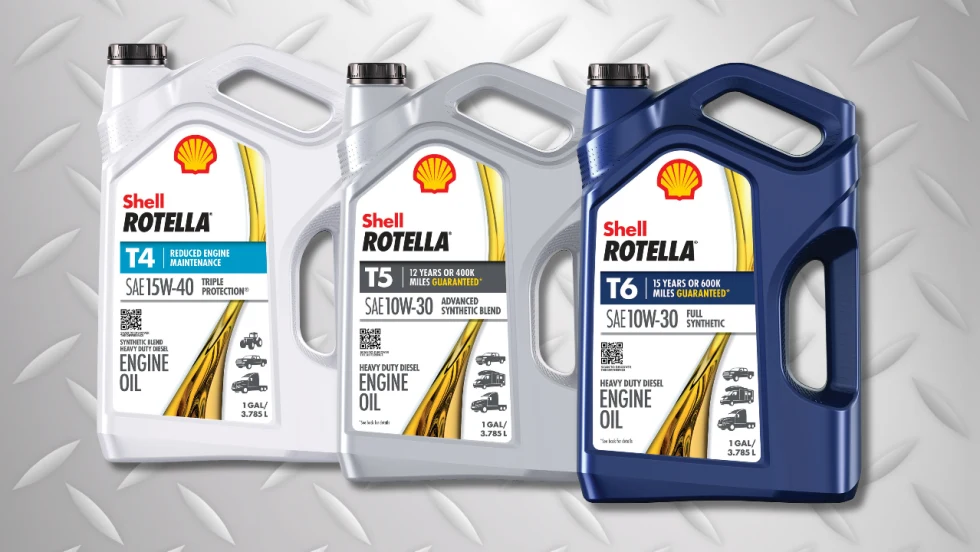
Shell Prepares Rotella Oils for 2027
New CL-4 and FB-4 formulations will begin arriving in early 2027, with improved protection against oil breakdown, wear and deposits, according to Shell.
Read More →
Mack Expands Extended Coverage With Four Chassis System Plans
Mack Trucks' new system-specific coverage options allow heavy-duty fleets to select protection for driveline, cab, HVAC, electronics, and advanced safety components.
Read More →
What an Out-of-Service Order Really Costs, and How to Plan for One
The repair invoice is the first number you see — and often one of the smallest. Here’s what else an out-of-service order can cost a fleet, and how planning can reduce the damage.
Read More →
International Launches Online Truck Parts Store
Fleetrite.com lets fleets and repair shops find OEM and all-makes parts, check prices and availability, and order without calling a parts counter.
Read More →
Continental Introduces New Regional Truck Tires
Continental says its new Generation 5 steer and drive tires for regional operations offer longer tread life, with estimated mileage gains of 22% and 19%, respectively.
Read More →
How AI Can Help Your Techs’ Efficiency
The technician shortage isn't going away, and no single fix can close the gap on its own. Trent Broberg makes the case that AI's real job in the shop is protecting the billable hours and job satisfaction of the techs you already have, not asking them to work faster.
Read More →
Color Match Smarter: Tools That Restore & Perform
For fleet managers and collision repair professionals keeping heavy-duty trucks on the road, getting the color right the first time isn't just about appearance — it's about efficiency, turnaround time, and bottom-line results. Discover how today's digital color tools are transforming the repair process from guesswork to precision.
Read More →
Wrong Repair Prompts Recall of Freightliner, Western Star 4x2 Trucks
DTNA is recalling more than 2,400 trucks that received an incompatible software fix instead of the hardware repair required to address brake valve corrosion.
Read More →
Truck Drivers Need More Than Another Alert
Fleets have more visibility into truck health, safety events, and driver activity than ever. The next challenge is turning all that information into useful guidance for the person who has to decide what to do next.
Read More →