





Related: Trucking Alliance Pushes Congress to Tighten Truck Driver Drug Testing
Senate Passes Opioid Bill that Creates Hair Testing Guidelines
American Trucking Associations has praised Senate-passed legislation that, in its current form, includes provisions to create guidelines for drug hair testing.
September 18, 2018

The Senate passed the Opioid Crisis Response Act which includes a mandate to create and issue guidelines for drug hair testing.
Photo: Creative Commons
2 min to read
American Trucking Associations has praised Senate-passed legislation that, in its current form, includes provisions to create guidelines for drug hair testing.
A provision contained within the Opioid Crisis Response Act of 2018 directs the Substance Abuse and Mental Health Services Administration to report to Congress on creating and issuing guidelines for hair testing. The Secretary of Health would have 30 days to report on the status of hair testing guidelines, eventually outlining a schedule with benchmarks and estimated date for delivery for completed guidelines.
The bill also contains reporting requirements on the development of the Drug and Alcohol Clearinghouse and a deadline for completing work on oral fluids testing.
Currently, only urinalysis is recognized by the Substance Abuse and Mental Health Services Administration as a proven drug testing method. Proponents of hair testing argue that it has advantages including a longer detection window, easier collection, and results that are harder to fake.
Hair testing is only part of the comprehensive legislation aimed at combating the Nation’s opioid crisis and it was passed by the Senate with a nearly unanimous bipartisan vote. The Opioid Crisis Response Act must now be reconciled with the House of Representatives’ companion bill that was passed earlier this year before it can be signed into law by the President.
“We thank Senator Thune and his staff for their continued persistence and commitment on this issue of hair testing,” said Bill Sullivan, ATA’s executive vice president of advocacy. “Our fleets need to depend on – and need the government to recognize – the most accurate, reliable and failsafe drug testing methods available. The time has come to get this done.”
More Safety & Compliance
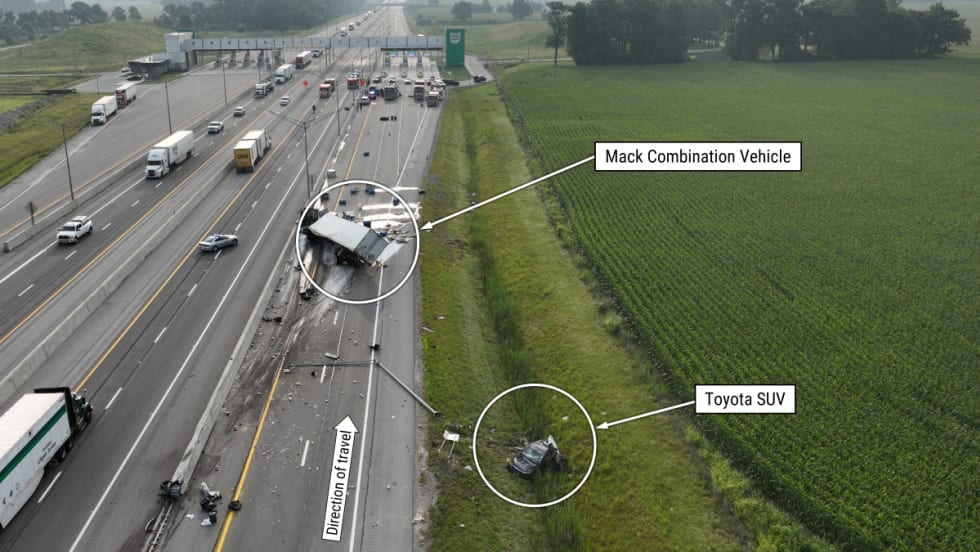
Fatal Crash Exposes Toll Plaza Risks
An NTSB investigation found that last-minute lane changes and large speed differences at an Ohio toll plaza created a hazard the truck driver couldn't avoid in time.
Read More →
When Language Stops the Truck: The Return of ELP Out-of-Service Orders
English language proficiency rules for commercial drivers aren’t new, but renewed out-of-service enforcement has raised the stakes. Here’s what carriers need to know before a driver reaches a roadside inspection.
Read More →
Sponsored•October 6, 2026
A Camera Isn't a Safety Program. Here's What Brokers Are Screening for Now
Footage alone may not be enough to pass broker vetting processes. Here's what counts as a defensible safety program now.
Read More →

Marijuana and Trucking’s Drug-Testing Dilemma
Marijuana is getting stronger, laws are changing, and drug tests still can’t reliably establish impairment. What does that mean for truck drivers and the fleets that employ them?
Read More →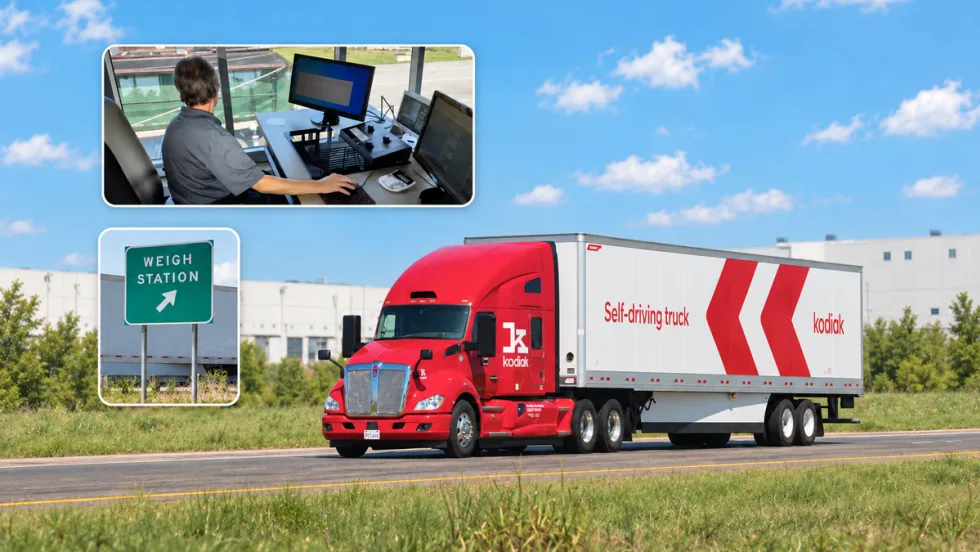
PrePass, Kodiak Connect Driverless Trucks to Roadside Enforcement
The system will allow enforcement agencies to verify Enhanced Inspection information and decide whether Kodiak’s autonomous trucks can bypass roadside screening sites.
Read More →
From One Generation to the Next: How Mentorship Builds Safer Truck Drivers
After three decades in trucking, Harold Perry shares what he's learned about driver safety, mentorship, and helping the next generation build confidence behind the wheel.
Read More →
FMCSA Pauses Biennial-Update Enforcement Amid Motus Transition
Carriers whose updates were due on or after June 1 have more time, while FMCSA works to stabilize its new registration system and warns of phishing sites impersonating its new carrier registration system, Motus.
Read More →
ZF Expands Commercial Vehicle Push in North America
ZF is expanding its North American commercial-vehicle presence with new transmission applications, electrification, trailer technology and autonomous-driving systems.
Read More →
Truck Drivers Need More Than Another Alert
Fleets have more visibility into truck health, safety events, and driver activity than ever. The next challenge is turning all that information into useful guidance for the person who has to decide what to do next.
Read More →
Tesla Wants a Self-Driving Semi. Are Cameras Enough?
Could Tesla’s camera-only autonomous driving technology work on an 80,000-pound Semi? In this commentary, HDT's Deborah Lockridge takes a look at Tesla, Cybercab, and how autonomous trucks see the road.
Read More →