





Related: States Invest VW Diesel Settlement in Clean Vehicle Technology
Drive to Zero Program Pledges Faster Clean Vehicle Adoption
Government entities and industry leaders have signed on to a new program to accelerate the deployment of zero-and near-zero emissions commercial vehicles and technologies.
September 12, 2018

The Drive to Zero pledge commits government entities and private industry to adopt clean vehicle technologies in key markets globally.
Photo: Jim Park
3 min to read
Government entities and industry leaders have signed on to a new program to accelerate the deployment of zero-and near-zero emissions commercial vehicles and technologies.
The Global Commercial Vehicle Drive to Zero pledge is an international effort aimed at reducing emission from trucks and buses in key markets. The program is championed by CalStart, a non-profit organization that promotes the growth of clean transportation technologies.
The pledge focuses on the medium- and heavy-duty vehicle segments in eight global markets. The goal is to achieve commercial success for clean vehicle technology in these markets by 2025 and dominate new sales in these segments by 2040.
“By showing the demand for these vehicles, and focusing on the most viable markets, we can accelerate their adoption, improve air quality and reduce emissions,” said John Boesel, president and CEO of CalStart. “Once we achieve commercial viability in these areas, we can work to reach economies of scale, bring costs down and increase adoption throughout the entire medium- and heavy-duty vehicle industry.”
It is a global effort and the Drive To Zero also targets developing countries such as China, India, and Mexico to improve air quality and promote public health where commercial vehicles represent a larger percentage of the total vehicle population and air pollution problem.
The group will be adopting an application approach pioneered by the California Air Resources Board, known as the “beachhead” strategy. The Drive to Zero applies this strategy on a global scale, targeting transit buses, shuttle buses, package and delivery trucks, urban “box” trucks, yard tractors, port handling equipment and regional Class 7/8 drayage (cargo) trucks. The new program will support the advancement of the beachhead markets by identifying barriers, sharing solutions and best practices, and conducting analysis.
“Our climate ambition is to reduce emissions with 95% by 2030. The importance of setting ambitious visions should not be underestimated,” said Raymond Johansen, the governing mayor of Oslo, Norway. “This is why I believe the work of CalStart, and the Commercial Vehicle Drive to Zero Pledge launched today will be a game-changer. By working globally to achieve zero-emission dominance in commercial vehicle sales we can achieve what would not be possible by working in isolation.”
Signers and Supporters of the Pledge include:
Government
City of New York
New York State Energy Research & Development Authority
California Air Resources Board
South Coast Air Quality Management District
Bay Area Air Quality Management District
Los Angeles Department of Transportation
Foothill Transit
Elected Officials
Los Angeles Mayor Eric Garcetti.
Sacramento Mayor Darrell Steinberg
Stockton Mayor Michael D. Tubbs
Oslo Governing Mayor Raymond Johansen
Industry
Siemens
BYD
Mitsubishi Fuso Trucks
New Flyer Industries
Proterra
Southern California Edison
Ballard Power Systems
Ryder
Chanje Energy
Axle Tech
Effenco
Workhorse
Orange EV
Mayor USA
Motiv Power Systems
Transpower
US Hybrid
Lightning Systems
Auto Research Institute
Viatec
XL Fleet
West Valley Construction
Zenith Motors
Unique Electrical Solutions
More Fuel Smarts

California Bill Could Shed Light on Electric Truck Prices
Why do battery-electric Class 8 trucks remain so expensive? A California bill headed to Gov. Gavin Newsom would give fleets and state agencies more visibility into what manufacturers charge.
Read More →
Detroit Opens Orders for EPA 2027 Engines
Detroit isn’t starting from scratch to meet EPA 2027 diesel emissions standards. Its Gen 6 DD13 and DD15 engines keep much of today’s platform while updating the fuel and aftertreatment systems.
Read More →
Zero-Emission Truck Corridor Planned for West Coast
California, Oregon, Washington, British Columbia and Baja California are coordinating plans for truck charging and hydrogen fueling from Canada to Mexico.
Read More →
A Closer Look at Kenworth’s Electric T880E Vocational Truck [Video]
Learn more about Kenworth's T880E battery-electric vocational truck at the Paccar Technical Center, including its range, applications, upfitting considerations, and PTO options, in this HDT Spotlight video.
Read More →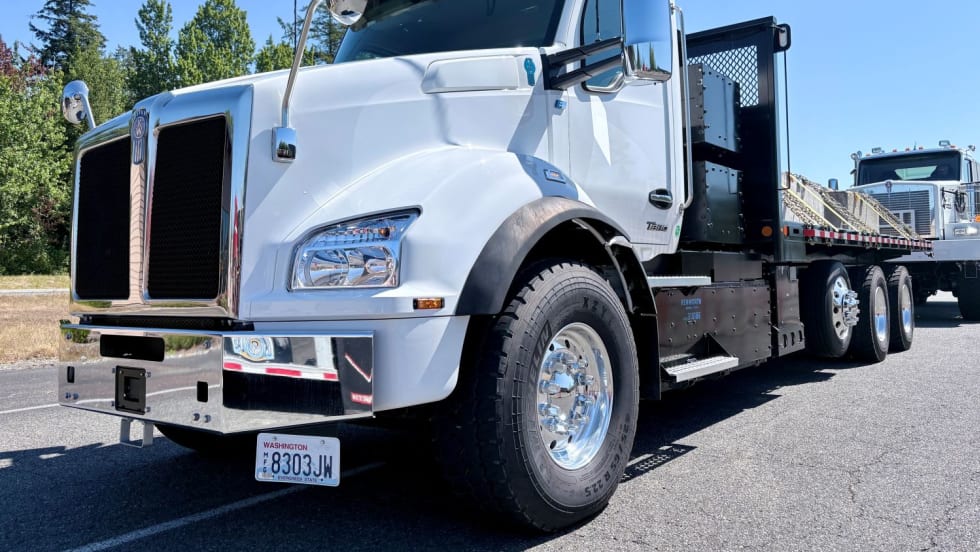
Kenworth T880E Brings EV Power to Vocational Trucks
A closer look at the Kenworth T880E’s range, charging, powertrain and upfit options — and where fleets are showing the most interest.
Read More →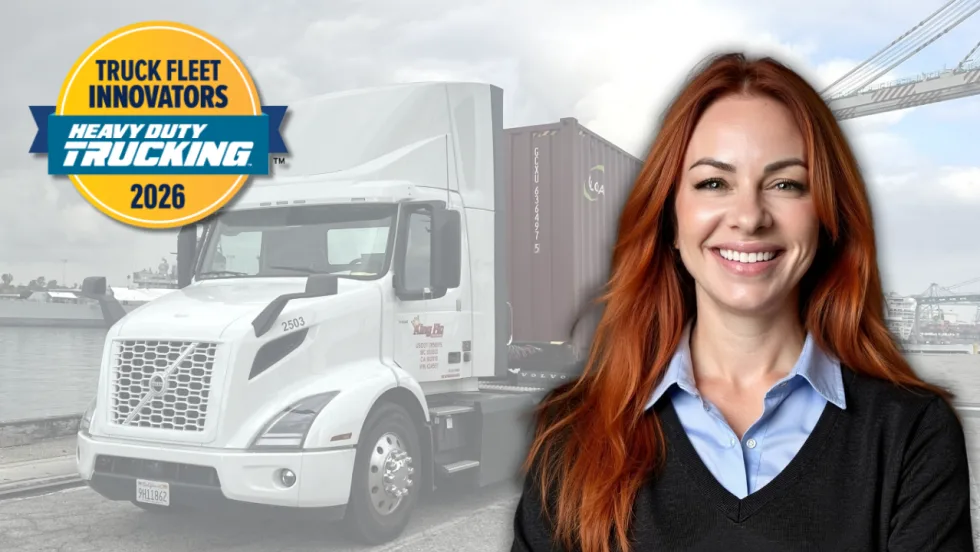
Jennie Abarca Is Proving Electric Trucks Can Do the Job
HDT Truck Fleet Innovator Jennie Abarca is building confidence in fleet electrification one load at a time while openly sharing the challenges she encounters along the way as a small-fleet owner.
Read More →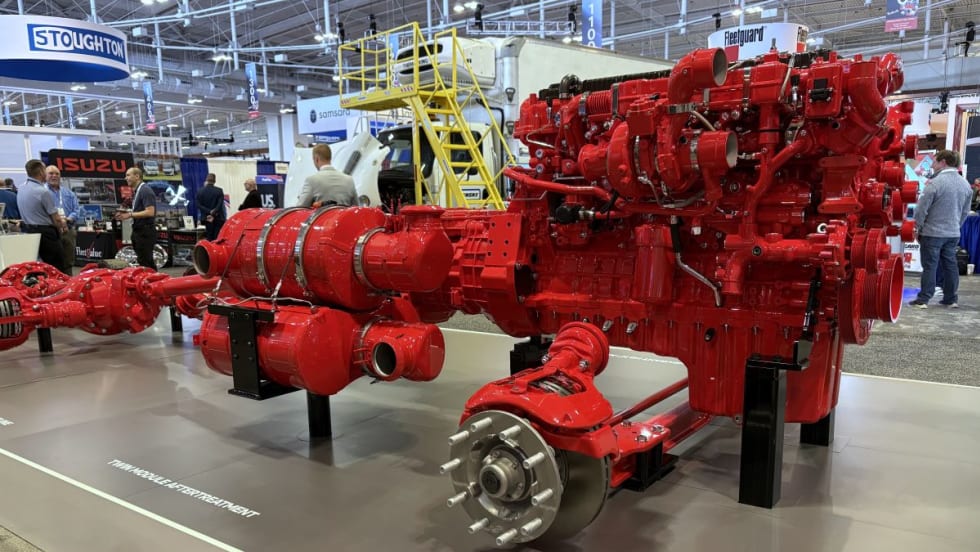
Cummins Adjusts 2027 Engine Rollout After EPA Proposal
The engine maker will gradually introduce its new Model Year 2027 diesel engines while continuing to offer current models during the transition, citing the EPA's proposed emissions rule changes.
Read More →
EPA Proposal Could Ease 2027 Truck Costs and Buying Uncertainty
The proposal doesn't change the tougher NOx standard, but it would revise key implementation requirements that manufacturers say have driven up costs and complicated fleet purchasing decisions.
Read More →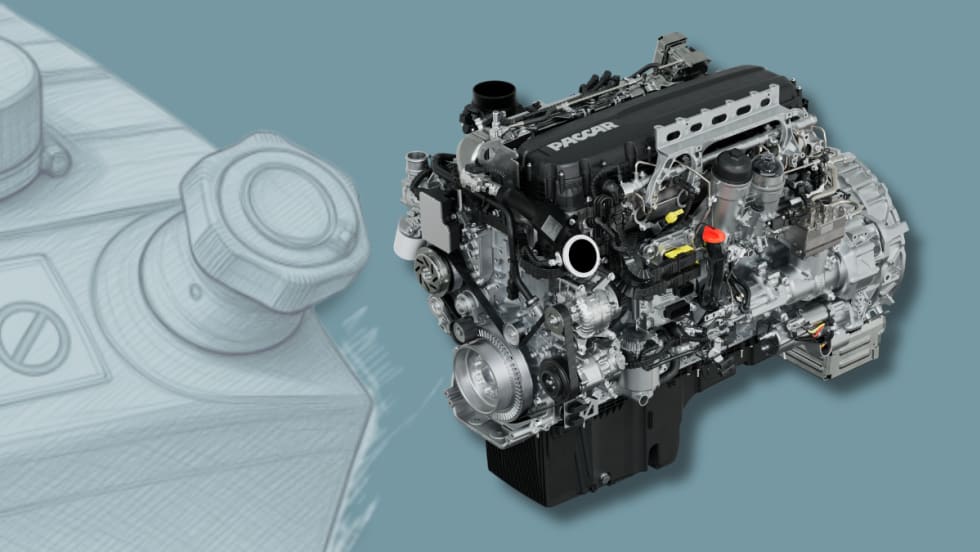
Cummins, Paccar Ease DEF Derates After EPA Guidance
Updated diesel engine software gives truck operators more time to address emissions-system issues while staying compliant with EPA emissions standards.
Read More →
Maintenance in the Messy Middle Part 3: Biodiesel
Biodiesel can reduce emissions, improve fuel-system lubricity and use existing diesel infrastructure. But NACFE’s Messy Middle maintenance report says fleets must actively manage storage, cold-weather operation, filters and oil drain intervals to avoid problems.
Read More →