





Related: Companies Moving Forward with Hybrid Truck Technologies
UPS Goes Green With Workhorse
UPS purchased 125 new technology hybrid-electric delivery trucks manufactured by Workhorse Group Inc., as part of a broader program to deploy electric-powered vehicles with greater range and performance.
February 23, 2016
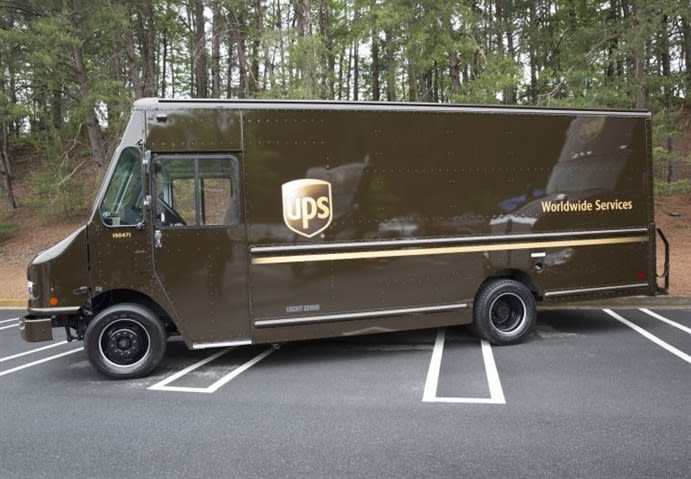
The new Workhorse walk-in van is a 16,000- to 19,500-pound GVWR hybrid-electric delivery vehicle. It features a choice of wheelbases from 157 to 208 inches and includes the truckmaker’s new narrow-track W-88 chassis with E-GEN drivetrain. Photo: UPS
3 min to read
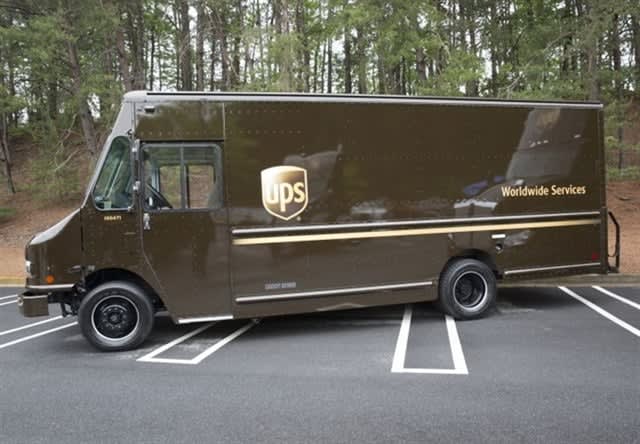
The new Workhorse walk-in van is a 16,000- to 19,500-pound GVWR hybrid-electric delivery vehicle. It features a choice of wheelbases from 157 to 208 inches and includes the truckmaker’s new narrow-track W-88 chassis with E-GEN drivetrain. Photo: UPS
UPS purchased 125 new technology hybrid-electric delivery trucks manufactured by Workhorse Group Inc., as part of a broader program to deploy electric-powered vehicles with greater range and performance.
UPS was looking to use advanced technologies to reduce the environmental impact of its fleet, according to Workhorse.
“UPS was specifically interested in vehicles that could offer significant fuel economy gains compared to gasoline-powered vehicles. Workhorse’s hybrid-electric delivery trucks can deliver up to 400% of the fuel economy of a gasoline-powered vehicle, compared to a 10-15% improvement with previous hybrid designs,” according to Steve Burns, CEO of Workhorse Group.
The trucks will be deployed in Arizona, Texas, Nevada, Mississippi, Alabama, Georgia, and Florida in the first half of 2016.
The new Workhorse walk-in van is a 16,000- to 19,500-pound-GVWR hybrid-electric delivery vehicle, featuring a choice of wheelbases from 157 to 208 inches. It includes the truckmaker’s new narrow-track W-88 chassis with E-GEN drivetrain. Two 60kWh battery packs provide power to the TM4 Sumo Electric motor/generator, built with nearly 6,000 Panasonic lithium-ion cells — the same type of cells used in Tesla’s electric cars.
The truck is patent-pending and Environmental Protection Agency approved and, according to Workhorse, is powerful enough to eliminate the need for a transmission.
Also, if the battery state of charge falls below a predetermined level and the vehicle is in “park,” a 2.4L internal combustion engine automatically turns on and powers the motor to recharge the battery to its required level. The benefit: There is no need for drivers to look for the nearest recharging station while making deliveries — none is needed.
Additionally, one of the added perks of the new hybrid-electric trucks is the fact that they come direct from the OEM, with no additional upfitting required, adding no additional order-to-delivery time.
“These vehicles are a bridge to the delivery trucks of tomorrow,” said Mark Wallace, senior vice president, global engineering and sustainability at UPS. “This investment will help create and grow the market for ground-breaking alternative propulsion systems that reduce environmental impact, reduce operating costs and save fuel.”
The trucks were designed specifically to meet the stop-and-start needs of UPS’ urban delivery routes, along with the 2.4L engine and lithium-ion battery to deliver a 50- to 60-mile-per-day range.
The parcel delivery company is also collaborating with Workhorse to develop a more intelligent electric vehicle to determine when and where the batteries will be charged and re-charged. The initiative is part of UPS’ Rolling Laboratory, a cutting-edge approach to optimizing the use of alternative fuel and advanced technology vehicles.
According to Burns of Workhorse Group, “We are committed to finding the best solutions for both energy efficiency and emissions, and we believe our electric trucks can be part of the answer. If we can help UPS and other delivery companies reduce their fuel costs while maintaining their service, we’ve done our job. We are thrilled to work with UPS to develop and deliver innovative solutions to today’s transportation challenges.”
Subscribe to Our Newsletter
More Fuel Smarts

Fleet Economics Shape Electric Truck Outlook
ACT Research expects costs, charging infrastructure, and technology improvements to drive zero-emission commercial vehicle adoption as federal regulations and incentives retreat.
Read More →
Wex Adds Cardless Fuel Payments for Over-the-Road Customers
A new fuel card feature for Wex customers offers convenience and security.
Read More →
New California Law Could Shed Light on Electric Truck Prices
Why do battery-electric Class 8 trucks remain so expensive? A California bill signed by Gov. Gavin Newsom would give fleets and state agencies more visibility into what manufacturers charge.
Read More →

How Volvo Updated Its D13 for EPA 2027 [Watch]
Volvo’s updated D13 promises lower emissions without sacrificing performance or fuel economy. Take a closer look at what changed inside the engine in this HDT Spotlight video.
Read More →
Diesel Price Spike Shortens Payback for Natural Gas Trucks, Report Says
Energy Vision estimates fleets could recover the higher purchase price of an RNG-fueled Class 8 tractor in 1.3 to 2.8 years under current fuel-price scenarios.
Read More →
Calstart Becomes Catalyst Mobility, Reflecting Broader Focus
Calstart is now Catalyst Mobility, reflecting the nonprofit’s growing national role in clean transportation, including zero-emission trucks, infrastructure and incentive programs.
Read More →
Record Diesel Prices Squeeze Trucking Fleets
Average U.S. diesel prices have climbed to nearly $6 a gallon, surpassing the 2022 record as tight refinery capacity and Middle East disruptions keep fuel costs elevated.
Read More →
Sponsored•September 9, 2026
How Fuel Delivery Shapes Engine Performance
Fuel delivery depends on more than what happens at the injector. For fleet, maintenance and technical professionals, looking at the full path from pump to injector can provide useful context for understanding engine performance.
Read More →
East Coast Port Launches $45M Electric Truck Push
The Port Authority of New York and New Jersey announced millions in incentives for zero-emission drayage trucks, yard tractors, and new charging hubs near the port.
Read More →
Detroit Opens Orders for EPA 2027 Engines
Detroit isn’t starting from scratch to meet EPA 2027 diesel emissions standards. Its Gen 6 DD13 and DD15 engines keep much of today’s platform while updating the fuel and aftertreatment systems.
Read More →