




Companies Moving Forward with Hybrid Truck Technologies
A pioneering supplier has exited the market, but up-and-coming companies aim to fill the gap for light-, medium- and even heavy-duty trucks.

Coca-Cola purchased 100 gasoline-electric hybrid Chevrolet Express delivery vans that were converted using the XL Hybrids powertrain. Photo:XL Hybrids
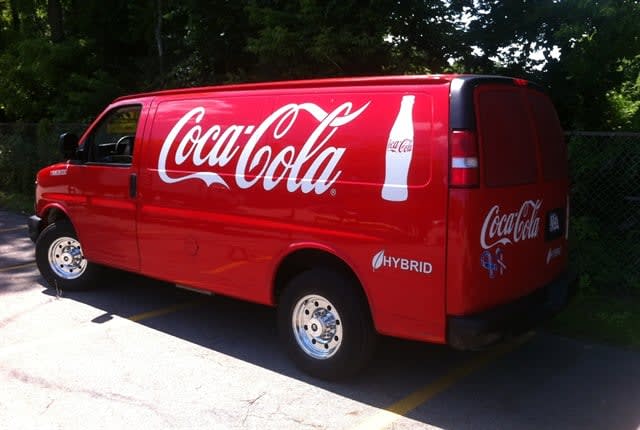
Coca-Cola purchased 100 gasoline-electric hybrid Chevrolet Express delivery vans that were converted using the XL Hybrids powertrain.Photo:XL Hybrids
Anderson Plumbing, Heating & Air, known as San Diego’s first certified green plumber, is turning to Hino’s diesel-electric hybrid to help meet its sustainability goals.
For Mary Jean Anderson, who took over the family-owned business 10 years ago, it is important to maintain an environmentally friendly mentality in all aspects of her company, including fleet vehicles.
With 68 vehicles and growing, Anderson has been serving San Diego County since 1978. Currently, Isuzu NPR trucks make up two-thirds of the fleet, but Anderson has one Class 5 Hino 195h diesel-electric hybrid and two more on the way.
With less than a year under its belt, that first Hino has already reduced fuel costs for the company. According to Anderson, the hybrid Hino averages 14 mpg, compared to 8 mpg for the non-hybrid Isuzus.
However, hybrids have not caught on in commercial vehicles as heavily as was once predicted, thanks to stabilizing diesel prices, increased interest in natural gas as an alternative fuel, and high up-front costs that were hard for fleets to recover in fuel savings.
In 2002, Eaton announced it intended to become a primary supplier of hybrid-electric vehicle powertrains for commercial vehicles. By 2010, industry analysts were predicting that by 2015, hybrids would represent 8% of Class 6-8 trucks produced.
But the market changed, and the company recently confirmed to HDT that it’s no longer offering its diesel-electric hybrids in North America.
“There really isn’t a market for those products,” says Jim Michels, global business communications manager for Eaton’s vehicle group. “If the market comes back, we’ll re-enter.”
The market started drying up when federal credits expired, he says. “We began to see a downturn in orders and it’s progressively gotten lower and lower.
“On the flip side, our hybrid business in China is doing fantastic,” Michels says. “City buses are a huge opportunity for us in China, and same thing in Europe.” The company is continuing its R&D into these systems for those markets.
“We stay close to our customers,” Michels says, “and obviously if we see customer demand starting to pick back up, we’ll get right back into it.”
In the meantime, there are other companies out there pursuing hybrids, both in the OE market and in the aftermarket conversion arena. Here are a few:
BAE HybriDrive
Designed for Class 6-8 trucks, the HybriDrive is a parallel hybrid product targeting applications in refuse, pickup and delivery, utility, and construction.
The system is based on a single electric machine integrated with the engine and the transmission and can be installed with minimal impact to the vehicle, according to the company.
Propulsion is enhanced through an optimized blending of power from a conventional power source and from the electrical power source. Although the HybriDrive is in operation in city buses, the truck product is not in production yet. The company is field testing pre-production units.
Crosspoint Kinetics
This unit of Cummins Crosspoint, formed a year ago and headquartered in Indianapolis, offers a next-generation bolt-on hybrid for Class 3-7 vehicles.
So far most of the production vehicles are in the transit arena, but the company is working with a strategic partner to bring the system to the service and delivery space.
“We have addressed many of the problems with first-generation hybrids, such as expensive batteries, less-than-satisfactory reliability, and complex integration into a vehicle,” says Crosspoint Kinetics Product Director John McNichols.
The S3000 deploys ultra-capacitors instead of batteries to store energy. It is compatible with gasoline, diesel, propane, and compressed natural gas engines. This system does not interface with a vehicle’s engine management computer, and it’s easy to install and remove, according to the company. It can be installed in new and used vehicles and even transferred from one vehicle to another.
Used for incremental boost when accelerating a vehicle, the system generates 100% of its own electricity when decelerating or braking. Results from third-party and field testing have shown fuel-economy increases ranging between 10 and 30%, varying by driving style and route selection.
Because lightweight ultracapacitors are used to save energy instead of batteries, the total hybrid system weight is only 630 pounds.
Hino
Hino introduced its Class 5 cab-over diesel-electric trucks in 2012.
According to the company, the diesel-electric hybrid system power control unit features a unique hybrid adaptive control system that continuously communicates with the engine electronics to evaluate driving and road conditions to optimize the truck’s fuel economy and performance.
The diesel-hybrid uses regenerative braking to charge a 288-volt Ni-MH battery that drives an electric traction motor in series with the regular powertrain as a starting aid, and in cruise and power mode to reduce demand on the diesel engine, thus reducing fuel consumption. The electric traction motor produces 48 horsepower at 258 pounds-feet of torque at 1,000 rpm.
The system is designed to shut down the diesel engine while the vehicle is not moving, thus providing additional fuel savings. A driver-selectable “Eco-mode” tags the hybrid drive system for a greater contribution to overall power output.
Available are the 195h and 195h-DC (double cab) variant introduced last year.
Odyne Systems
Odyne Systems, Waukesha, Wis., in 2013 won The Work Truck Show Green Award for an advanced hybrid commercial vehicle it developed with ComEd in Chicago — a walk-in van equipped with a plug-in hybrid system providing electrical power from a large advanced battery system.
This plug-in hybrid system for trucks over 14,000 pounds is available for new trucks or retrofit. It uses an electric motor in parallel with the existing drivetrain to provide launch assist and regenerative braking.
Depending on duty cycle, the company says, the Odyne system offers fuel economy improvements of up to 50% compared to traditional diesel or gasoline engines.
The system also can export power for running tools at the jobsite. The Odyne export power system has been tested to 18kW and is designed for applications up to 36kW, potentially eliminating the need for vehicle mounted or towed independent electrical generators, or the need to continually idle the truck to operate engine-driven generators.
The company sells its modular system for new and retrofit applications direct to truck manufacturers and through a global distribution and service network including Altec, Dueco, Terex Utilities and selected Allison Transmission distributors. (Allison has a non-controlling stake in the company.)
XL Hybrids
XL Hybrids has seen success pursuing the delivery van market, upfitting GM and Ford vans. Coca-Cola North America tested upfitted GM vans and saw a 15-20% fuel mileage improvement, so last December, it announced it would be converting all of its newly purchased 2014 Chevrolet Express service vans into fuel-efficient hybrid-electric vehicles using XL Hybrids’ system — 100 of them.
The technology design allows for a seamless integration with the existing driveline without major modifications. It’s a parallel system, so the vehicle engine works alongside the electric motor or alone at higher speeds.
The hybrid powertrain was also designed for a fast installation process, allowing XL Hybrids’ certified upfitters to quickly install the hybrid powertrain as a ship-through option. It’s also available as a retrofit.
More Fuel Smarts

Trucking’s Diesel Squeeze Isn’t Letting Up
With diesel topping $6 a gallon nationally, ATA's Bob Costello explains why fleets should prepare for continued pressure at the pump.
Read More →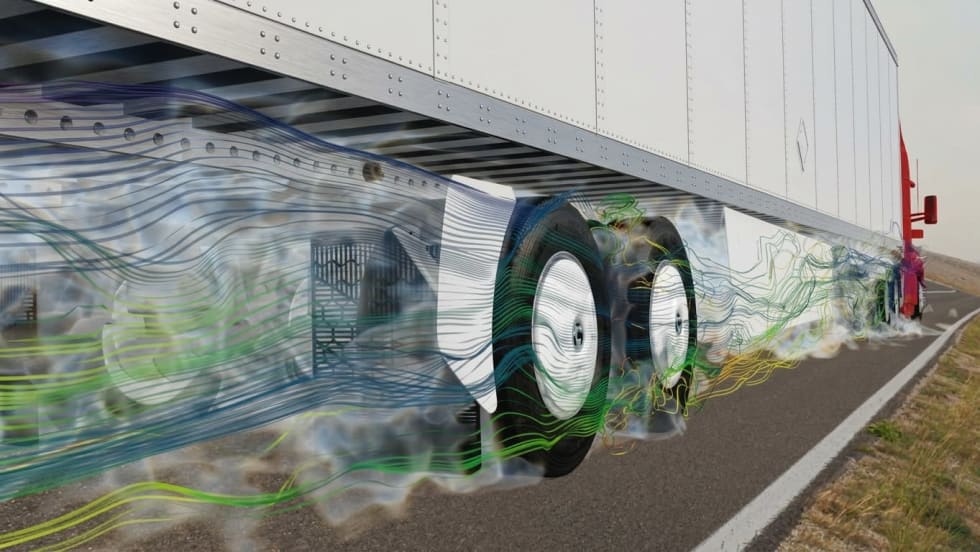
FlowBelow Redesigns Trailer AeroSlider to Cut Fuel Use
The lighter trailer aerodynamic system installs in less than 45 minutes, according to the company, with potential payback in under a year depending on fuel prices and trailer mileage.
Read More →
Why Diesel Price Relief Efforts May Fall Short
Diesel prices have eased from September’s record high, but doubts about additional Russian supply and limits on dyed-diesel tax relief mean trucking fleets still face expensive fuel. And prices could go higher.
Read More →
Why Small Fuel Savings Matter in Trucking
Can better fuel economy help pay for driver raises? In this podcast, GP Transco explains how small efficiency gains create room to reinvest in its people.
Read More →
How GP Transco Cuts Trucking Fuel Costs, a Tenth of a Gallon at a Time
What’s another tenth of a mile per gallon worth? GP Transco shares how equipment upgrades and driver coaching turn small gains into meaningful fuel savings.
Read More →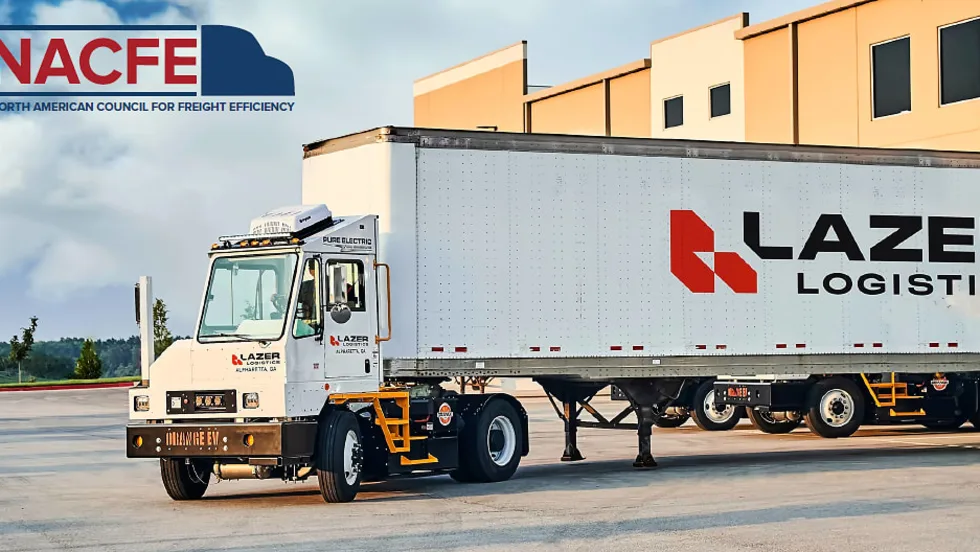
Electric Yard Tractors Move Beyond Pilots
Operating-cost savings have overtaken sustainability goals as the leading reason surveyed fleets are adopting battery-electric terminal tractors, according to new NACFE research.
Read More →
Geotab Links Fleet Card to Vehicle Data
The new card combines fuel discounts with telematics-based purchase controls. Geotab’s analysis also points to potential savings from choosing lower-priced fuel stops.
Read More →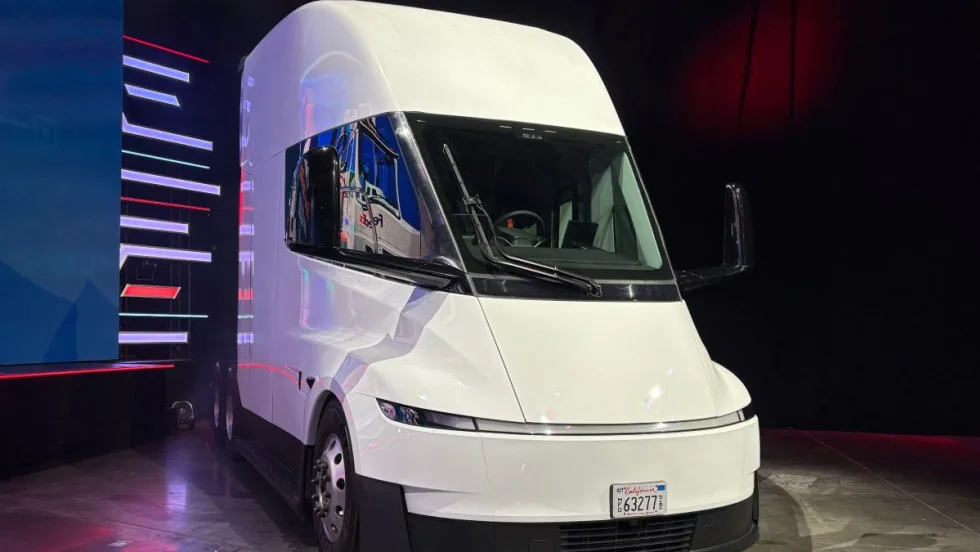
Fleet Economics Shape Electric Truck Outlook
ACT Research expects costs, charging infrastructure, and technology improvements to drive zero-emission commercial vehicle adoption as federal regulations and incentives retreat.
Read More →
Wex Adds Cardless Fuel Payments for Over-the-Road Customers
A new fuel card feature for Wex customers offers convenience and security.
Read More →
New California Law Could Shed Light on Electric Truck Prices
Why do battery-electric Class 8 trucks remain so expensive? A California bill signed by Gov. Gavin Newsom would give fleets and state agencies more visibility into what manufacturers charge.
Read More →