




At the recent bi-annual Hannover, Germany, trucking show -- more specifically, the 63rd IAA -- there were so many show exhibits that a dedicated journalist could spend the entire 10 days hunting for meaningful news.
For most of the formal press conferences had less real news than truck and component management talking about the return of business and the fact that they have been spending R&D money all the while. But that didn't result in much new for the show this time around.
But one neat discovery that fortunately didn't take 10 days to find was on the Delphi booth, just across from the DAF trucks exhibit.
This was a unique development of a fuel system that bolts up in place of a unit pump injector system, but provides the exact same performance of the common-rail system that has become the de facto standard, at least on bigger displacement truck diesels.
I hope the DAF engineers took the trouble to cross the aisle and visited with Delphi folks, for this could be just the technology they could be looking for.
That's because unit pump injection systems are the halfway-house between the old pump-line-nozzle and the electronic unit injector, which may be pressurized directly from the camshaft - almost always in-head - or receive fuel pumped up to very high pressure in the common fuel rail that supplies all injectors equally.
Unit injectors get their pressurized fuel usually from individual fuel pumps, usually mounted to the side of the block and pumped by plungers actuated by a low-mounted, in-block camshaft. The pressurized fuel is conducted to the injectors via individual steel pipes similar to those that used to run from in-line pumps to injectors.
Such a unit-pump system is used very satisfactorily on the Paccar MX, 12.9-liter engine, where suitably high pressure is generated to meet current emissions standards and fuel economy targets, all without the complexity of a common rail injection system. Initially, the system was capable of 2,000 bar (29,000 psi) and it is a great tribute to the MX designers that this in-line six that debuted at the IAA four years ago is now meeting EPA2010 emissions regulations. It is also being enthusiastically received by Peterbilt and Kenworth customers, just as DAF customers have taken to it on the other side of the pond.
The Delphi introduction at this IAA shows that there is a development path for the MX engine to soldier on with its block-mounted camshaft and unit pumps and still attain ever-higher "rail" pressures. This new Delphi solution ports the pumps' outputs into a rail that then feeds all the injectors from a common source. According to the Delphi information, the new system is capable of 3,000 bar (43,500 psi) and will be available for Euro VI, due to hit in 2013.
Given the number of engine makers in emerging markets that likely have "older" design engines, this represents a brilliant move by Delphi as those markets begin to embrace their own emissions regulations based on Euro or EPA standards.
And that's not bad news for the rest of the world that ultimately has to share the same atmosphere.
Engine Smarts: An Injector Discovery in Germany
At the recent bi-annual Hannover, Germany, trucking show -- more specifically, the 63rd IAA -- there were so many show exhibits that a dedicated journalist could spend the entire 10 days hunting for meaningful news
More Equipment
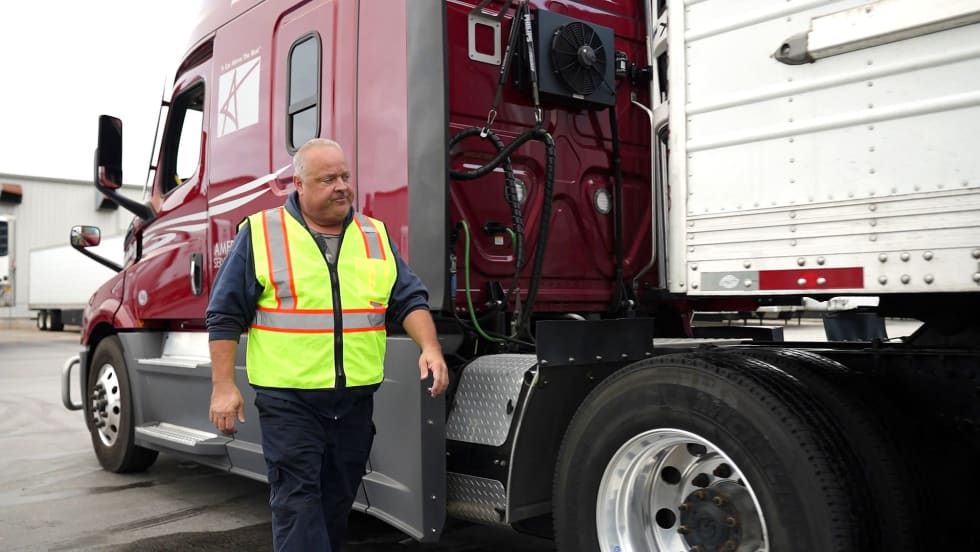
How One Company is Using Smart Suspension Technology to Reduce Driver Injuries and Improve Retention
America’s Service Line adopted Link’s SmartValve and ROI Cabmate systems to address whole-body vibration, repetitive strain, and driver turnover. The trucking fleet is already seeing measurable results.
Read More →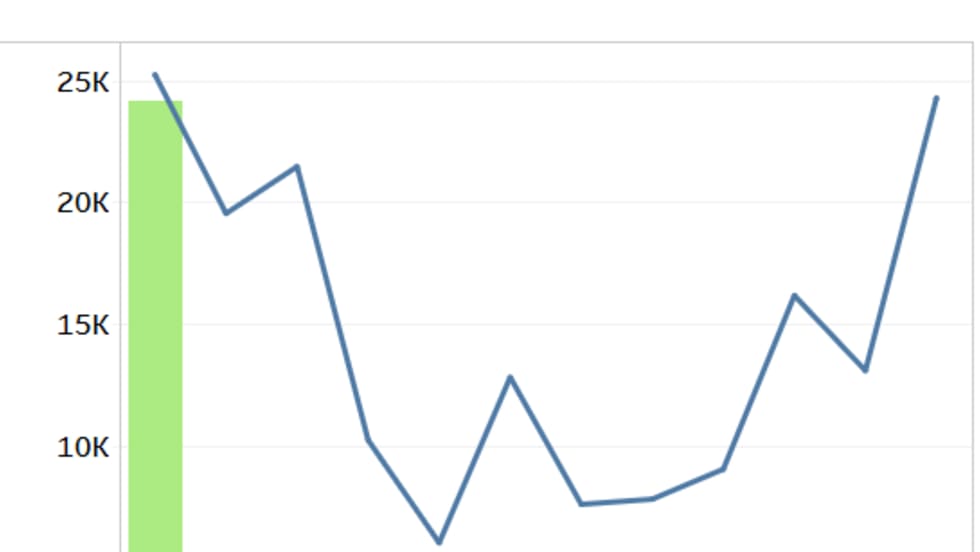
Trailer Orders Hold Steady in January as Backlogs Rebuild
FTR says net trailer orders are flat month over month at 24,206 units, with 2026 orders still trailing last year.
Read More →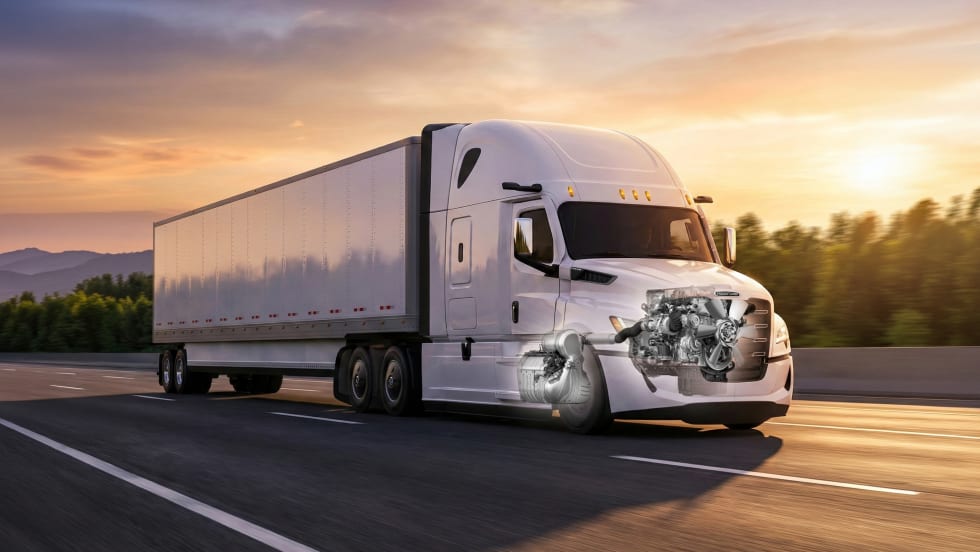
Detroit Bets on Evolution, Not Reinvention, for EPA 2027
Detroit's DD13, DD15, and DD16 engines get a pre-SCR boost, 3% fuel-efficiency gains, and familiar service intervals as Daimler prepares for trucking's next emissions era.
Read More →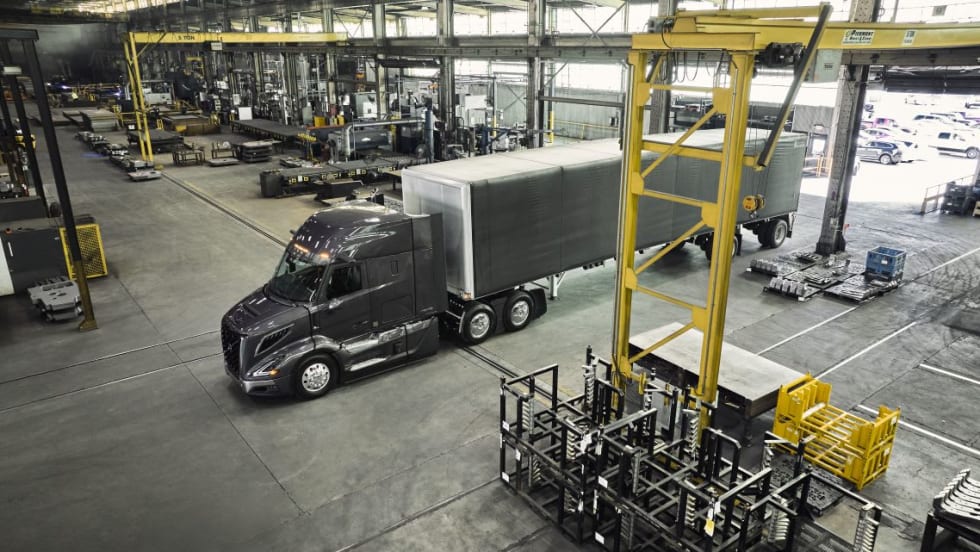
Volvo Starts Factory Production of All-New VNR Regional Truck
Production begins less than a year after Volvo unveiled its new regional-haul VNR.
Read More →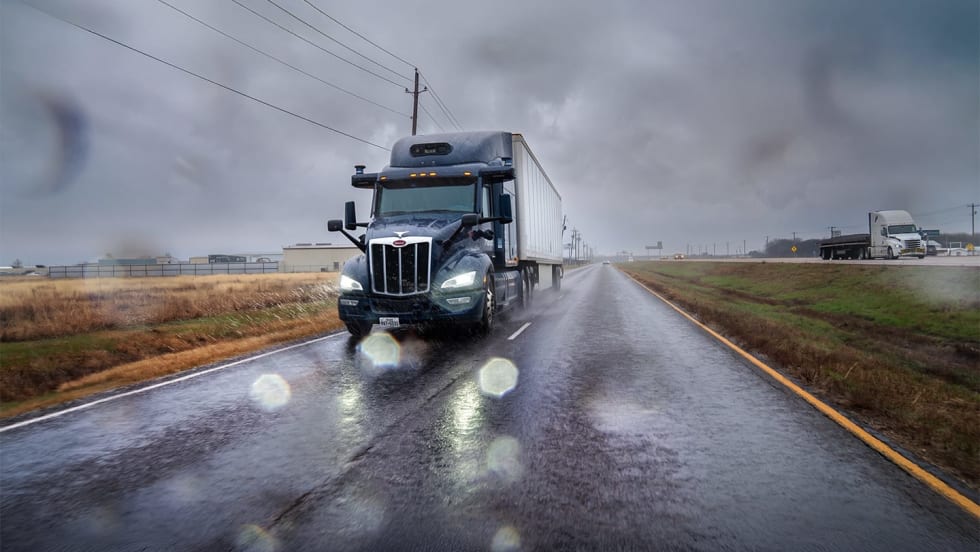
Aurora Adds 1,000-Mile Driverless Run from Fort Worth to Phoenix
Aurora announced it has validated a 1,000-mile driverless lane beyond Hours of Service limits and plans to have more than 200 self-driving trucks on the road by the end of the year.
Read More →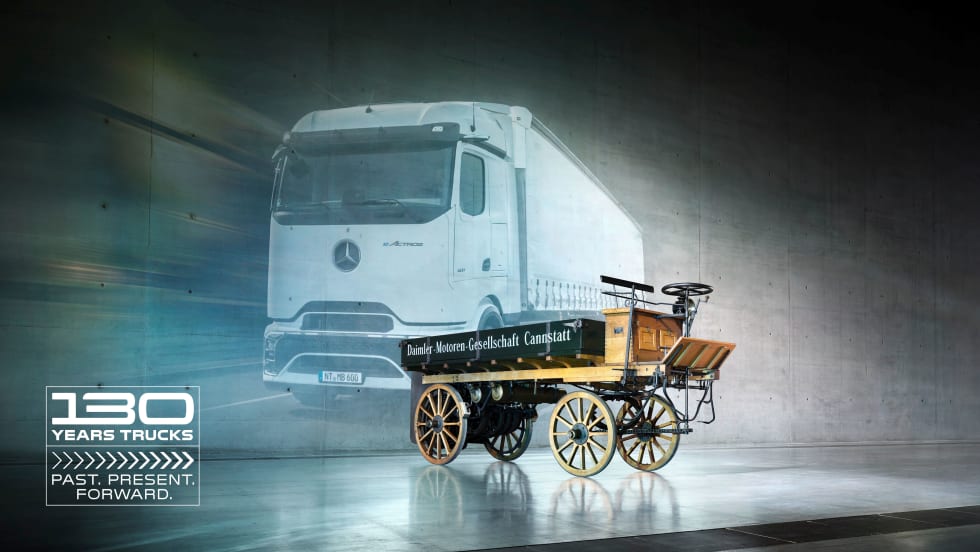
Mercedes-Benz Celebrates 130 Years of Trucking Heritage
Mercedes‑Benz Trucks Classic showcased “130 Years of Trucks” at the Retro Classics Stuttgart Museum from February 19 to 22, 2026. Check out these photos.
Read More →
Phillips Connect TrailerID Automates Trailer Pairing to Cut Errors and Boost Fleet Visibility
New hardware-and-software solution from Phillips Connect confirms tractor-trailer connections automatically, eliminating manual driver input and improving compliance, dispatch accuracy, security, and billing.
Read More →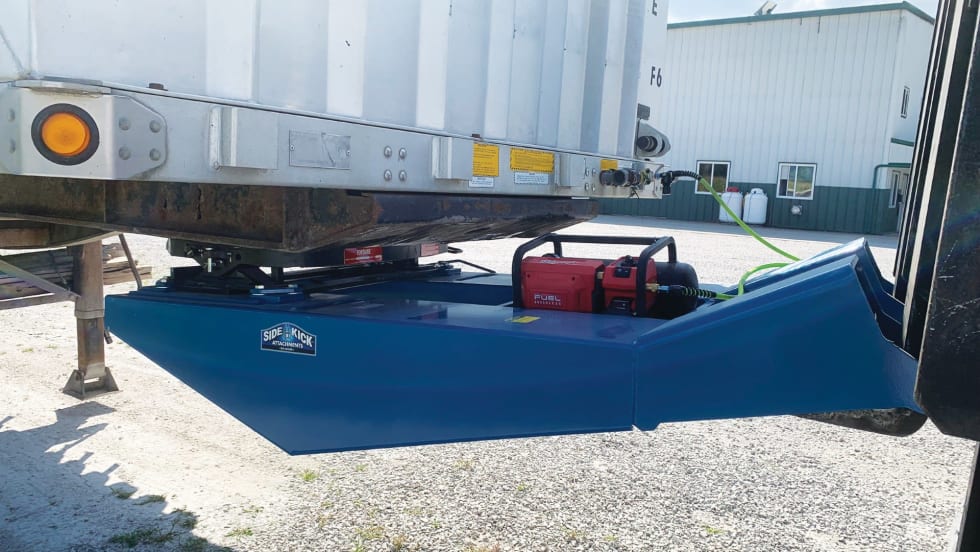
Sidekick Introduces Forklift-Operated Trailer Movers for Safer Yard Operations
A new, hands-free, self-locking fifth-wheel attachment helps facilities reposition trailers without tractors or chains.
Read More →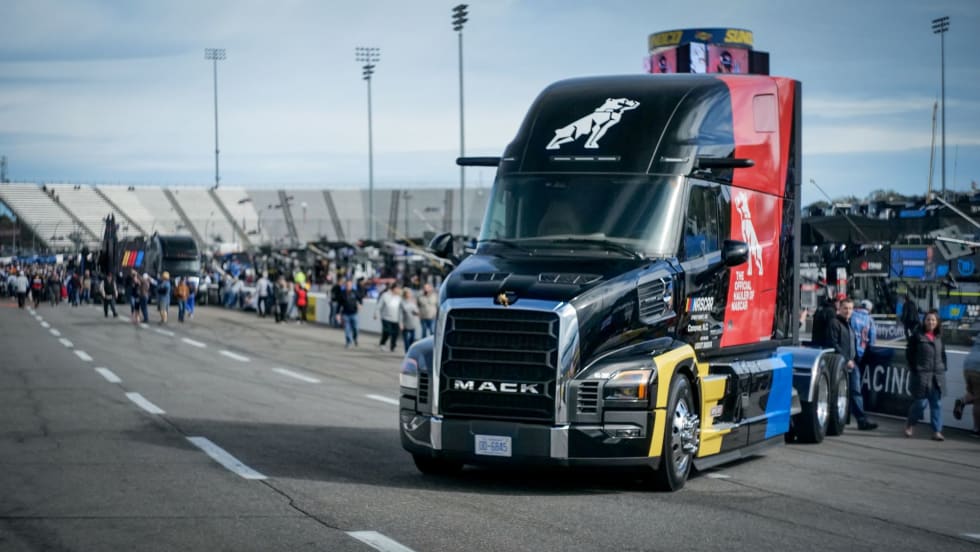
Mack Extends Partnership as Official Hauler of Nascar
A new, multi-year renewal deal will keep Mack in place as Nascar’s official hauler.
Read More →
EPA Wants to Know: Are DEF De-Rates Really Needed for Diesel Emissions Compliance?
The Environmental Protection Agency is asking diesel engine makers to provide information about diesel exhaust fluid system failures as it considers changes to emissions regulations.
Read More →