





When rust creeps in between the brake lining and shoe table, it can cause the lining to fracture. Provided chunks of linings do not break off, the real problem that fleets are facing is "out of service criteria" that dictates that a crack is not acceptable and can sideline a truck in an enforcement inspection.
How to Recognize and Prevent Corrosion and Rust-Jacking on Heavy-Duty Brake Shoes
When rust creeps in between the brake lining and shoe table, it can cause the lining to fracture.
June 5, 2009
4 min to read
What Is Rust-Jacking?
During normal braking, a brake lining will have minuscule movement from temperature cycling, brake torque and component deflections, relative to the shoe table. If the lining wears off the paint on the shoe table (a condition called micro-abrasion), the bare metal is exposed to road spray and grime. Oxidation can begin to form as quickly as overnight.
Over the long term, layers of rust can build up between the brake shoe and the lining. Each layer puts more upward pressure on the lining, which is firmly riveted to the shoe. Eventually, the lining can crack.
Rust-jacking looks different from surface cracks, edge de-lamination, or fractures that happen when the lining is worn down to the rivet head. The characteristics of rust-jacked shoes include:
There's still plenty of usable lining on the shoe, at least 1/8 inch above the rivet heads.
The lining is buckling between the rivet heads, resulting in a noticeable gap between the shoe table and lining block.
Cracks tend to run horizontally across the lining and are visible along the edge of the lining block. The lining also may be flaking, chipping, or show other signs of deterioration.
Why Does Rust Form in Brakes?
Rust happens when iron and oxygen react, usually in the presence of water. Rust-jacking, therefore, is more likely to occur when moisture can collect between the brake shoe and lining. Several factors influence this, including:
The amount of brake heat that can reach the shoe table (higher temperatures would speed up the evaporation of moisture). Shoes with thicker linings help insulate the shoe table from whatever brake heat is generated.
The duty cycle of the vehicle and the replacement rate of the shoes. Shoes that receive little work or are left on the vehicle for several years are more susceptible to rust-jacking.
The quality of the brake shoe table paint process and its ability to resist micro-abrasion.
Exposure to sea-water or winter-road deicers like salt and chemical compounds like magnesium chloride, calcium chloride, or sodium chloride which can accelerate corrosion of bare metal.
Preventing Rust-Jacking Corrosion
Paint is the brake shoe's most basic level of protection from oxidation.
ArvinMeritor uses a unique, advanced coating on new brake shoes. Electronically charged particles of coating are drawn onto the brake shoe and pulled into hard-to-reach areas and crevices. After the shoe is baked and cured, the result is a uniform, continuous coating. The coating process is highly effective at protecting brake shoes.
Remanufactured shoes are typically sprayed or dipped. To produce better paint adhesion and durability, ArvinMeritor introduced the PlatinumShield, a multi-step coating process for remanufactured brake shoes. Shoes are shot-blasted and go through a five-stage wash and pretreatment process with iron phosphate before the PlatinumShield coating is applied.
In testing to evaluate surface rust after more than 400 hours of exposure to salt and road solvents, remanufactured shoes with PlatinumShield achieved the highest possible ASTM scale rating of 10 (less than .01% surface rust). Shoes from the only two competitors advertising protective coating to prevent rust-jacking had much lower surface rust ASTM ratings.
Everyday Corrosion-Prevention Efforts
Specifying a high-quality OE or remanufactured brake shoe is the first thing you can do to reduce the risk of rust-jacking. However, staying ahead of corrosion demands every day diligence.
On a routine basis, spray your vehicle's undercarriage to wash away the salt and road grime. Use a gentle stream from a hose, not a pressure washer.
When your truck or trailer is brought in for service, ask the technician to inspect the linings for abnormal wear and potential out-of-service conditions: cracks or voids more than 1/16th of an inch wide; cracks that exceed 1-1/2 inches in length; cracks across the lining face that extend through the lining edges; and cracks that result in missing chunks of lining. This is stipulated clearly with the CVSA guidelines. Any of these conditions may indicate rust-jacking.
Finally, specify replacements that match the quality, performance, and wear characteristics of the original. If your truck's vocation has changed, ask your supplier to help you select linings that will deliver the necessary performance for your speeds, braking pressures, loads, and operating conditions today.
From the ArvinMeritor Issues & Trends White Paper May 2009.
Subscribe to Our Newsletter
More Maintenance
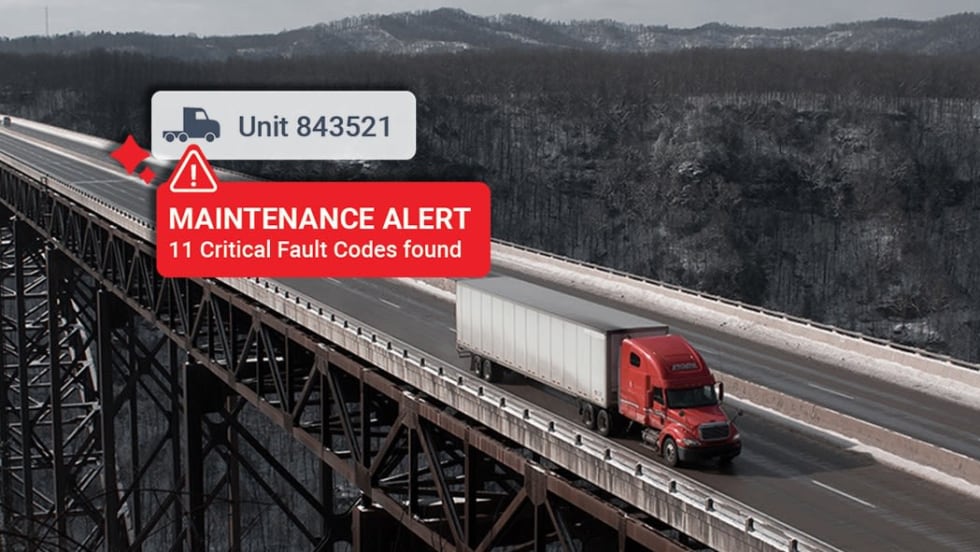
Fullbay Acquires Pitstop to Strengthen AI-Powered Predictive Maintenance
Pitstop AI will use Fullbay's extensive shop data to drive predictive maintenance for trucking fleets and repair shops.
Read More →
HDT Honors the Best New Products of 2025 at TMC [Photos]
Heavy Duty Trucking's Top 20 Products awards recognize the best new products and technologies. Check out the award presentations at the 2026 Technology & Maintenance Council annual meeting.
Read More →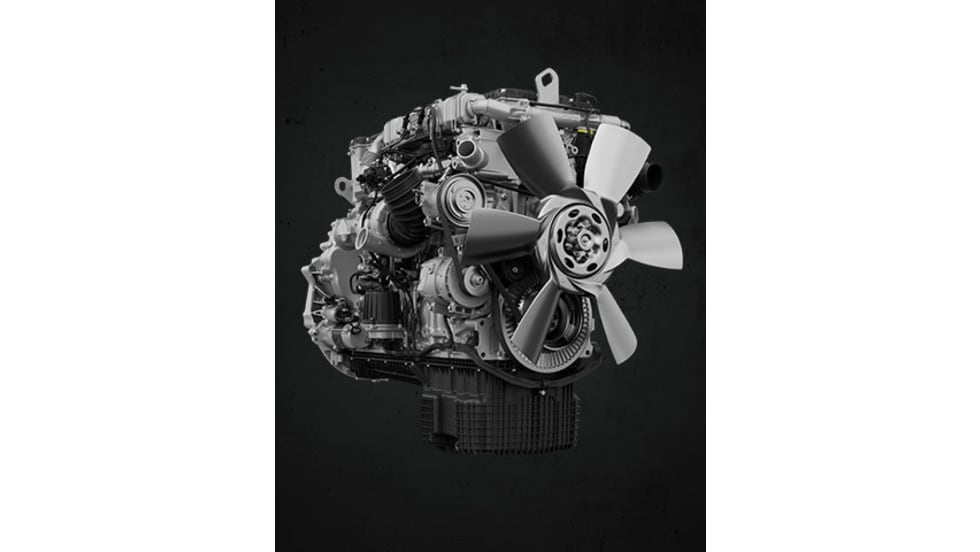
Sponsored•March 31, 2026
Detroit Engines: Trusted Performance, Built for What's Next
The Detroit® Gen 6 engine platform proves that real progress doesn’t require a complete redesign. Built on 20 years of trusted technology, these engines are designed for efficiency, stronger performance, and greater reliability than before. And they do it all while complying with 2027 EPA standards on every mile.
Read More →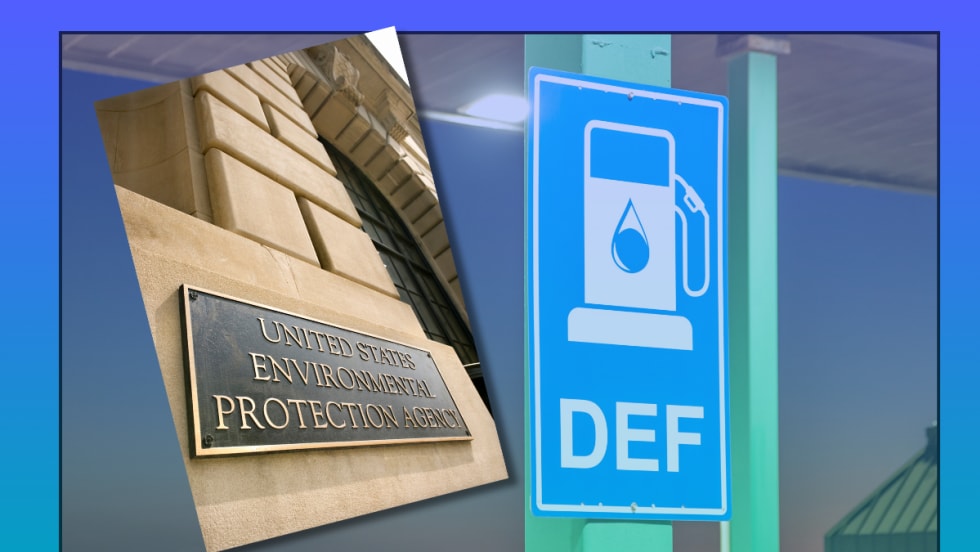
EPA Targets DEF Sensor Failures Behind Truck Derates
New guidance allows engine makers to replace problematic DEF sensors with NOx-based systems, aiming to reduce unnecessary derates and downtime caused by failures in the sensors designed to monitor diesel exhaust fluid on trucks.
Read More →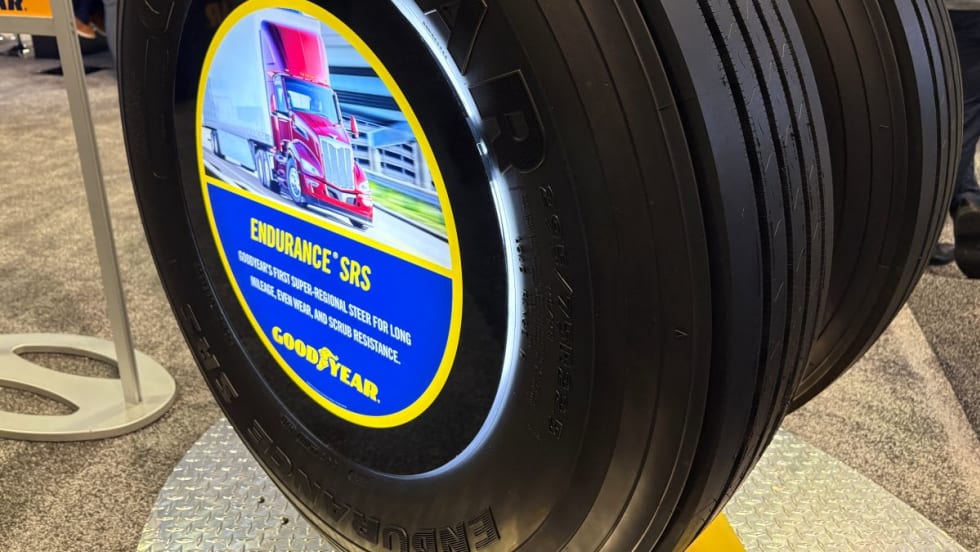
Goodyear Targets ‘Super-Regional’ Sweet Spot with New Steer Tire
Goodyear is preparing to roll out a new steer tire designed to bridge the gap between regional and linehaul for trucking fleets.
Read More →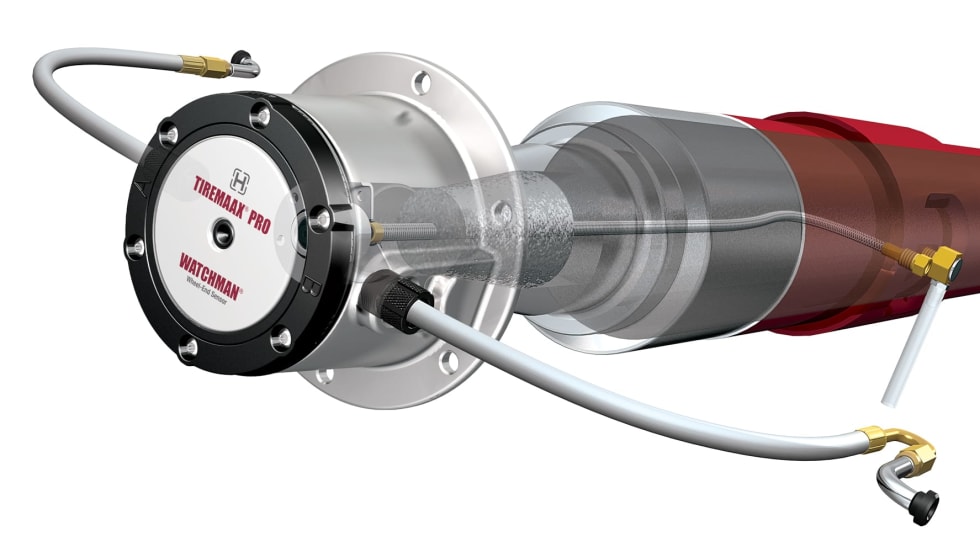
Hendrickson Unveils Watchman Smart Wheel-End System at TMC
Hendrickson’s new sensor platform integrates with its TireMaax system to deliver real-time tire and wheel-end insights, targeting uptime and cost savings.
Read More →
Over-the-Air Updates and the Modern Powertrain Explained
Over-the-air updates are moving beyond recalls, and expanding how fleets manage performance, compliance, and uptime.
Read More →
SKF, TMC Expand Hands-On Training to Boost Technician Skills at Annual Meeting
A new partnership between SFK and TMC brings certified, on-site instruction focused on wheel-end reliability and maintenance best practices.
Read More →
Why Higher Pay Isn’t Fixing the Heavy-Duty Technician Shortage
Hiring heavy-duty truck technicians has become a bidding war, but shops that focus on culture, training, and career paths are gaining an edge. That's the takeaway from a TMC panel discussion.
Read More →
Technology & Maintenance Council 2026 Annual Meeting [Photos]
Couldn't make it to Nashville for TMC's 2026 annual meeting? Check out these images.
Read More →