



The California Legislature recently passed a bundle of bills, known as the California Clean Air Initiative, aimed at reducing air pollution from vehicles and providing funding to incentive programs that cut greenhouse gas emissions.
 MENU
MENU SEARCH
The Clean Air Initiative provides $895 million for incentive programs that cut emissions from diesel and other greenhouse gas producing pollutants.
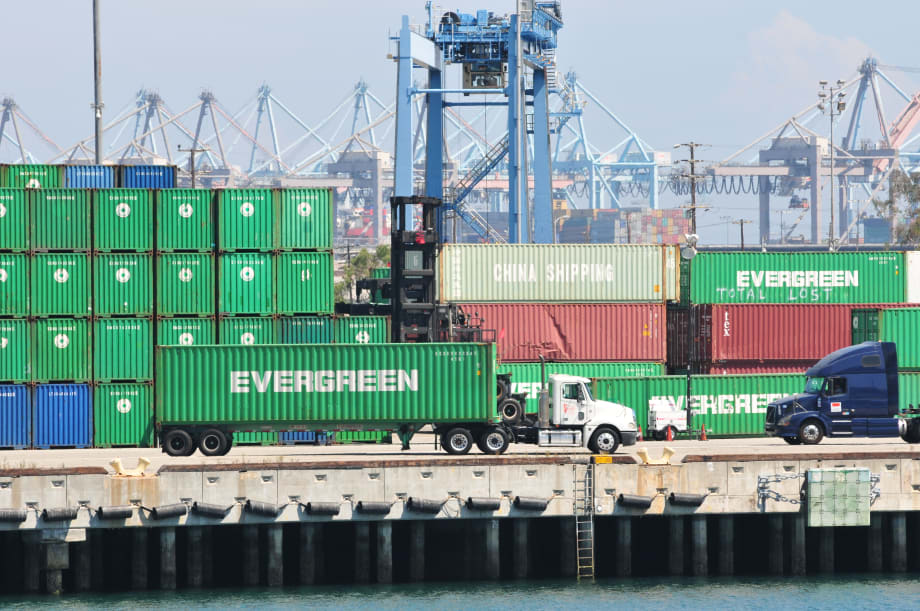
$140 million will go toward incentivizing cleaner vehicles at California’s ports. Photo: Jim Park.
The California Legislature recently passed a bundle of bills, known as the California Clean Air Initiative, aimed at reducing air pollution from vehicles and providing funding to incentive programs that cut greenhouse gas emissions.
The package allocates $250 million for the Carl Moyer program, $180 million for the Clean Bus and Truck program, which helps underwrite low-NOx natural gas engines, and $140 million toward incentivizing cleaner emissions vehicles at California’s ports. Funding for the programs will be provided by auctioning off carbon allowances.
In November, the Ports of Los Angeles and Long Beach, the two busiest ports in the country, are set to vote on their own Clean Air Action Plan.
According to the California Sustainable Freight Action Plan, heavy-duty trucks contribute 33% of the state’s NOx emissions, and 26% of diesel particulate matter that can cause lung disease and other respiratory illnesses.
With funding from the Clean Air Initiative, the final version of the CAAP, which is being created with input from stakeholders in the shipping and trucking industry, can be more effective at removing diesel burning heavy-duty trucks and replacing them with renewable natural gas vehicles, the California Natural Gas Vehicle Coalition said in a press release.
“This time around, the process was much more inclusive, and thus, got a lot more input from stakeholders, such as the trucking community, on what works and what doesn't work,” Weston LeBar, executive director of the Harbor Trucking Association, said. “And I think that because of that, the Clean Air Action Plan will be one that is stronger in the sense that, for the trucking industry, I don't think it will be as financially burdensome.”
However, Joe Rajkovacz, director of governmental affairs for the Western States Trucking Association, said that the CAAP may pressure trucking companies to replace their units with trucks that are “still on the drawing board and insufficiently tested in real world use.”
LeBar agreed that a lot of the technology the ports would like to use doesn’t exist yet.
“It’s very aspirational at this point in time.”
He said that the ports are looking at conducting feasibility checks every three years, to monitor the implementation of the plan
“We've maintained that the trucking industry and all of the industry stakeholders need to be a part of the implementation of the plan after it's adopted,” LeBar said. “If technology doesn't exist or it's not commercially viable or it's just not affordable, we need to be able to pivot, delay things, or move in different directions.”
At the state level, Rajkovacz said that while a lot is promised to the average Californian with policies like the Clean Air Initiative, the promises of green technology creating jobs and economic growth hasn’t panned out.
LeBar echoed similar concerns, noting that when California regulations make it more difficult for a business to operate within the state, that business will often move out of state, where environmental regulations are not as strict.
“If you make it difficult or overly expensive for people to import or export out of the Ports of L.A. and Long Beach, and they move to a port in Canada or Mexico, not only have you lost that job and you've lost that economic growth, but you've sent them to a place that doesn't have the same types of air regulations,” he said. “And so from a global perspective, you're not really doing anything to help the environment.”
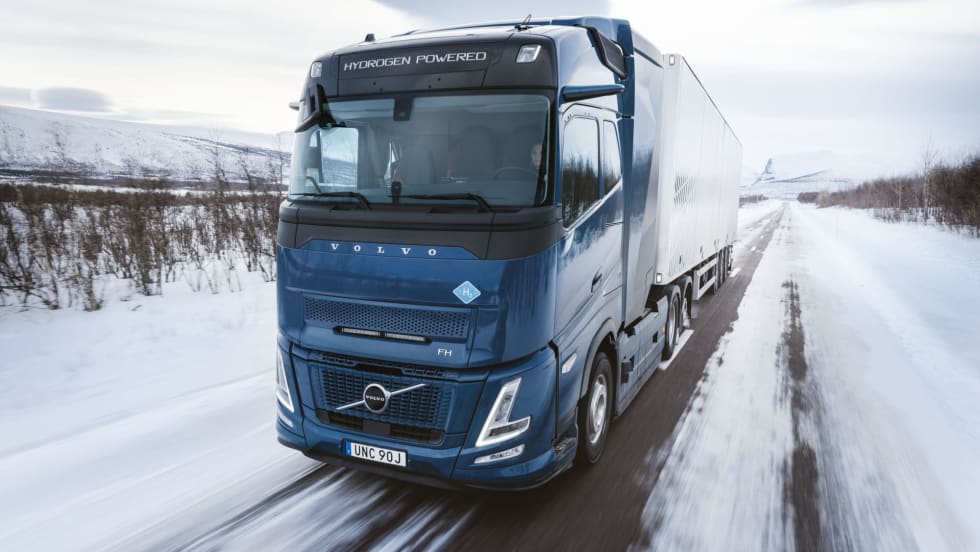
Hydrogen combustion engine trucks will be especially suitable over longer distances and in regions where there is limited charging infrastructure or time for recharging of battery-electric trucks, according to the company.
Read More →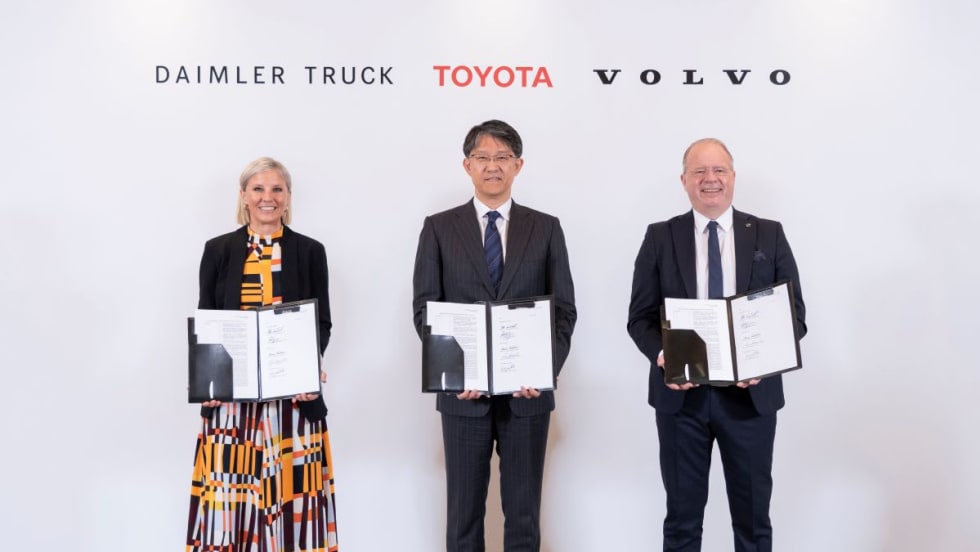
By joining Daimler Truck and Volvo, Toyota brings fuel cell expertise to a joint effort aimed at making hydrogen viable for heavy-duty transport.
Read More →
Trucking operators are slowing speeds, cutting empty miles, and declining unprofitable freight as diesel costs continue to rise due to conflict in the Middle East.
Read More →
New guidance allows engine makers to replace problematic DEF sensors with NOx-based systems, aiming to reduce unnecessary derates and downtime caused by failures in the sensors designed to monitor diesel exhaust fluid on trucks.
Read More →
Is your company a leader in sustainability efforts among trucking fleets? If so, Heavy Duty Trucking's editors want to hear from you.
Read More →
Artificial intelligence, the software-defined vehicle, telematics, autonomous trucks, electric trucks and alternative fuels, and more in this HDT Talks Trucking interview
Read More →With global oil flows disrupted, U.S. diesel prices have topped $5 across every region, climbing sharply in the past few weeks.
Read More →
The impact of the Iran conflict extends beyond fuel costs, bringing more fraud and cybersecurity risks to the trucking industry.
Read More →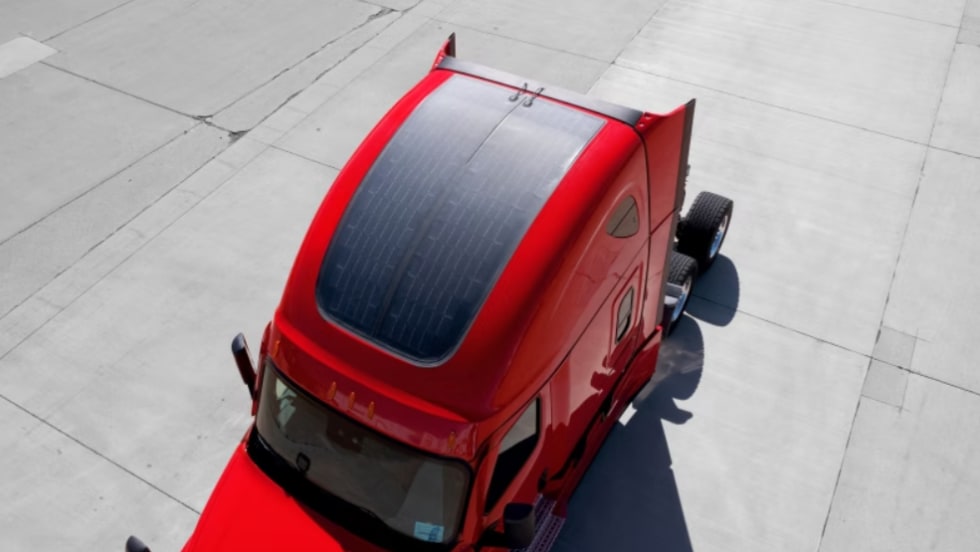
The company’s expanded EPEQ ecosystem includes flexible solar panels, lithium batteries, hydraulic power systems, and a portable fast charger for electric trucks.
Read More →
Listen as Mike Roeth of the North American Council for Freight Efficiency shares insights into battery-electric trucks, natural gas, biofuels, and clean diesel on this episode of HDT Talks Trucking.
Read More →