




Freightliner Custom Chassis Corp. (FCCC) currently builds products powered by a range of alternative fuels, including liquefied propane gas (LPG) and compressed natural gas (CNG) as well as traditional diesel and gasoline products.
 MENU
MENU SEARCH
As a company, FCCC is strategically fuel-agnostic, currently building products powered by a range of alternative fuels, including liquified propane gas (LPG) and compressed natural gas (CNG) as well as traditional diesel and gasoline products.

FCCC S2G Flatbed (propane autogas). Image: FCCC
Freightliner Custom Chassis Corp. (FCCC) currently builds products powered by a range of alternative fuels, including liquefied propane gas (LPG) and compressed natural gas (CNG) as well as traditional diesel and gasoline products.
"As a company, we are strategically fuel-agnostic. Our goal is to be the single source for our customers, regardless of fuel type – whether it's propane autogas, CNG, diesel, gasoline, etc. One fuel type certainly doesn’t fit all; we strive to be that one-stop shop for our customers regardless of fuel type," said Mike Stark, product manager - Commercial Chassis for FCCC.
Vocations that currently benefit the most from FCCC's alt-fuel products are ones that start and finish at the same location each day (parcel delivery or uniform/linen, for example). "In addition, vocations and companies that can offer refueling on-site can create additional benefits for alt-fuel options," Stark added.
And, the manufacturer isn't resting on its laurels. FCCC will continue to grow its portfolio of products.

"We believe there are vocations out there offering great opportunities for alternative fuels. These include beverage, yard spotters, and waste management, among others. We continue to invest heavily in alternative fuels and new technologies to consistently provide leading-edge products. We pride ourselves on being true partners to our customers, exploring new ideas and possibilities for their specific and unique needs and challenges," Stark said.
One fleet that has found success with FCCC's alt-fuel offerings is UPS. The parcel delivery company operates approximately 100,000 vehicles in the U.S., with another 35,000 vehicles operating globally.
"We currently utilize FCCC products powered by propane autogas and compressed natural gas. We’ve also previously operated hybrid-hydraulic and hybrid-electric vehicles from FCCC," said Mike Britt, senior director of Maintenance & Engineering and chief alternative fuel engineer for UPS.
On the alternative-fuel side of its company, UPS operates approximately 7,000 alternative-fuel products in the U.S. and an additional 1,500 alternative-fuel products internationally. All of its alt-fuel vehicles are utilized in its delivery fleet.
"We realize many benefits from the use of alternative-fuel vehicles, with the most important being lower emissions and costs for the fleet. Overall, we’ve been very happy with the performance and productivity we currently get through our alternative-fuel products through partners like FCCC," Britt said.

Established in 1995 and trusted by some of the most respected names in the RV, walk-in van, commercial bus, and school bus industries, FCCC is a leading manufacturer of premium vehicle chassis. Located in Gaffney, S.C., FCCC employs more than 650 employees in its manufacturing, customer support, and retail facilities.
FCCC is committed to reducing its environmental footprint with clean manufacturing efforts as well as has an almost decade-long history of developing green products.
In 2008, FCCC introduced ecoFRED, the motorhome industry’s first-ever hybrid-electric chassis, and the MB-HEV hybrid-electric commercial bus chassis.
In March 2009, the manufacturer introduced the hydraulic hybrid, built on the MT-55 walk-in van chassis. It also began manufacturing compressed natural gas (CNG) commercial vehicle chassis and hybrid-electric vehicle (HEV) chassis for the walk-in van market segment.
In 2013, the propane-autogas S2G chassis rolled off the line – the first ever factory-installed propane autogas engine and fuel system available for the medium-duty truck market.
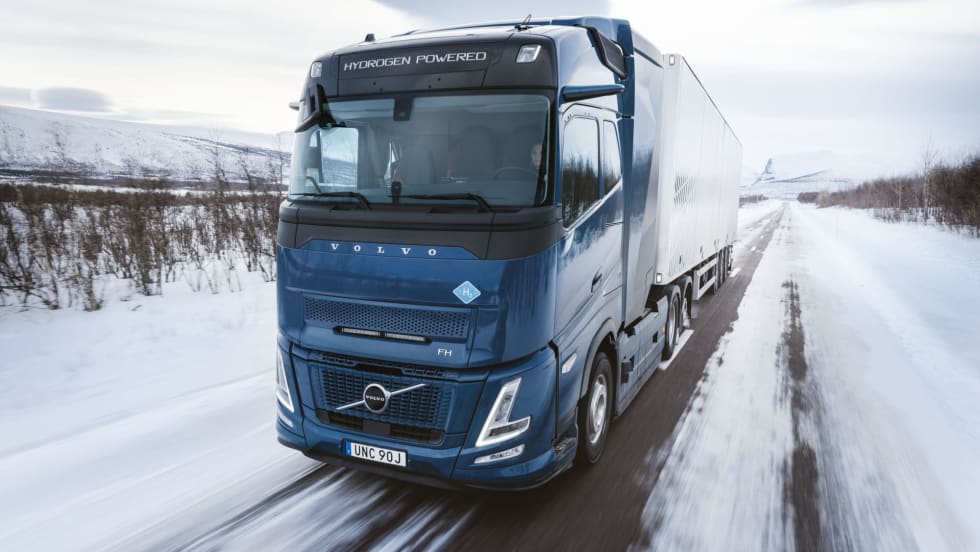
Hydrogen combustion engine trucks will be especially suitable over longer distances and in regions where there is limited charging infrastructure or time for recharging of battery-electric trucks, according to the company.
Read More →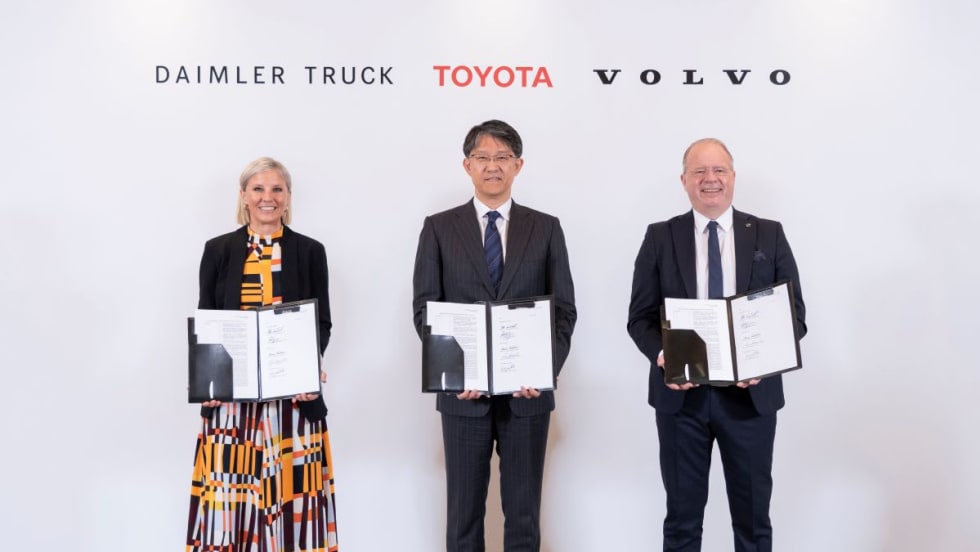
By joining Daimler Truck and Volvo, Toyota brings fuel cell expertise to a joint effort aimed at making hydrogen viable for heavy-duty transport.
Read More →
Trucking operators are slowing speeds, cutting empty miles, and declining unprofitable freight as diesel costs continue to rise due to conflict in the Middle East.
Read More →
New guidance allows engine makers to replace problematic DEF sensors with NOx-based systems, aiming to reduce unnecessary derates and downtime caused by failures in the sensors designed to monitor diesel exhaust fluid on trucks.
Read More →
Is your company a leader in sustainability efforts among trucking fleets? If so, Heavy Duty Trucking's editors want to hear from you.
Read More →
Artificial intelligence, the software-defined vehicle, telematics, autonomous trucks, electric trucks and alternative fuels, and more in this HDT Talks Trucking interview
Read More →With global oil flows disrupted, U.S. diesel prices have topped $5 across every region, climbing sharply in the past few weeks.
Read More →
The impact of the Iran conflict extends beyond fuel costs, bringing more fraud and cybersecurity risks to the trucking industry.
Read More →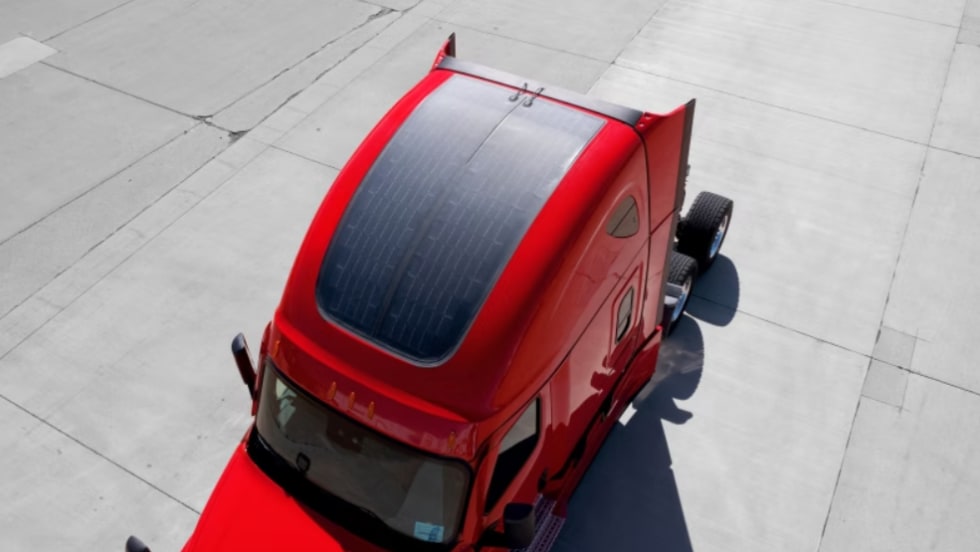
The company’s expanded EPEQ ecosystem includes flexible solar panels, lithium batteries, hydraulic power systems, and a portable fast charger for electric trucks.
Read More →
Listen as Mike Roeth of the North American Council for Freight Efficiency shares insights into battery-electric trucks, natural gas, biofuels, and clean diesel on this episode of HDT Talks Trucking.
Read More →