




Bridgestone Developing SuperTire for Cummins/Peterbilt SuperTruck II Project
Rather than go with an off-the-shelf tire, the Cummins/Peterbilt SuperTruck II team is bringing Bridgestone on board to develop an ultra-low rolling resistance tire. The goal is a 30% reduction in rolling-resistance which equates to a 6% improvement in fuel economy.

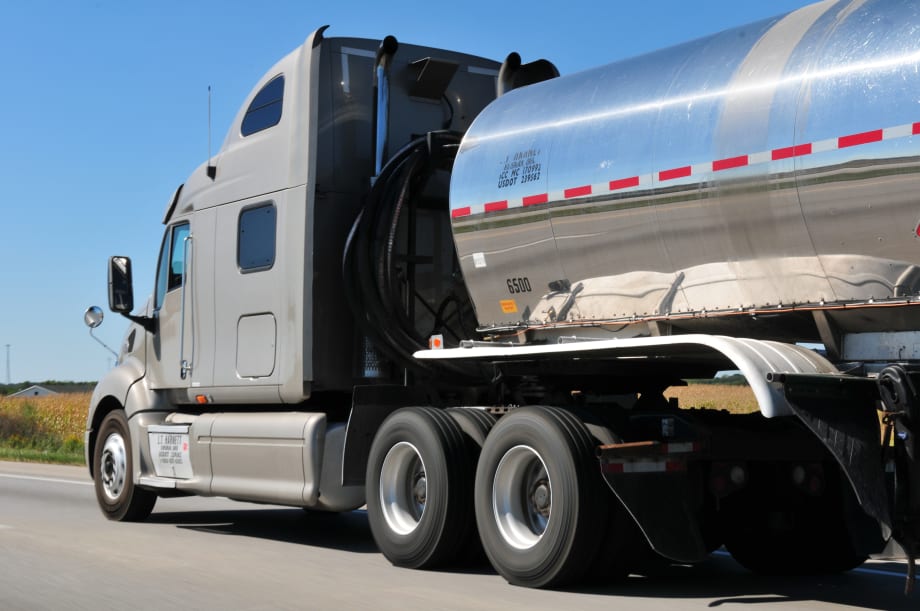
Super-low-rolling-resistance tires will still have to meet customer expectations for mileage and retreadability.
Photo by Jim Park
Super-low-rolling-resistance tires will still have to meet customer expectations for mileage and retreadability.
Photo by Jim Park
Engineers at Bridgestone are working to develop super-low-rolling-resistance tires for the next Cummins/Peterbilt SuperTruck project. The goal is a tire with a 30% reduction in RRC (rolling-resistance coefficient), which equates to a 6% improvement in fuel economy, that still meets industry expectations for wear and retreadability.
"That's a stretch target from our perspective, but we feel we can get half to two-thirds of the way there with our current tool box," says Steve Charles, vice president of product development for Bridgestone Americas. "At the same time we have to balance the wear and traction characteristics because the ultimate boss -- the consumer -- won't tolerate just a fuel economy improvement without good wear characteristics."
As in the first round of the SuperTruck project, Cummins is the lead on this one too. Cummins will partner again with Peterbilt, Eaton, Great Dane and others. But this time, rather than using an available tire, Bridgestone has been brought onboard as a funded partner and is charged with developing a tire specifically for the project.
"It's hard for us in the business world to allocate these kinds of dollars because we're always trying to be business oriented and value-proposition based for the consumer," Charles said. "The Department of Energy is helping with this research project by letting us take a clean sheet of paper and say, what if ..."
The project offers opportunities to design the tires working as part of a cross-functional team. Tire engineers will be working beside suspension and engine makers, for example, and looking at many different interactions such as the impact of suspension function or torque on a tire.
Charles told HDT this is a clean-sheet project, with everything open to consideration, including such fundamentals as casing construction, cavity shape and casing compounds.
"Historically, the casing was off the table in fuel efficiency discussions," Charles says. "In the TBR (Truck & Bus Radial) tire world, you retread multiple times. In the past, when we looked at the rolling resistance of the casing, those compound characteristics typically lost overall their ability, so everyone has been hesitant to move in that direction. It's been the weak link. We will be looking closely at how to manage those tradeoffs on this project."
Even tire size is on the table -- within the DOT constraints of pounds per inch of tire width, and construction, etc. They will start with the current tire size, probably a typical low-profile design, but if they find that some radically different tire size can carry the load, can handle the wear, reach the rolling resistance targets and be retreaded -- that's key -- then they look at it.
"Who knows where that might take us," he says. "Will a totally new tire emerge from this? Maybe. For the agriculture industry we have developed smaller tires that can carry more load. Or, look at the tire we developed for the BMW I3. It's tall and thin and it was developed expressly for electric vehicles and the torque those motors produce. It's working really well."
The Bridgestone SuperTruck II project will be looking at all three wheel positions. All three tires are likely to be quite different because of the need to optimize the tire for the wheel position. For example, engineers will have to consider the tractive requirements of drive tires versus the potential for irregular wear with steer and trailer tires.
"Fleets just will not accept any trade-offs, even in the name of fuel efficiency." Charles says. "However, the emissions regulations are forcing us to do things that we aren't really happy about. We have to go beyond simply adjusting the tread rubber compounds and bringing the whole tire into focus, along with its working relationships to other components."
More Fuel Smarts

How GP Transco Builds Fuel Savings a Fraction at a Time
Aerodynamic specs, solar panels, and driver incentives help GP Transco turn small efficiency gains into savings it can reinvest in its people.
Read More →
Trucking’s Diesel Squeeze Isn’t Letting Up
With diesel topping $6 a gallon nationally, ATA's Bob Costello explains why fleets should prepare for continued pressure at the pump.
Read More →
FlowBelow Redesigns Trailer AeroSlider to Cut Fuel Use
The lighter trailer aerodynamic system installs in less than 45 minutes, according to the company, with potential payback in under a year depending on fuel prices and trailer mileage.
Read More →
Why Diesel Price Relief Efforts May Fall Short
Diesel prices have eased from September’s record high, but doubts about additional Russian supply and limits on dyed-diesel tax relief mean trucking fleets still face expensive fuel. And prices could go higher.
Read More →
Why Small Fuel Savings Matter in Trucking
Can better fuel economy help pay for driver raises? In this podcast, GP Transco explains how small efficiency gains create room to reinvest in its people.
Read More →
How GP Transco Cuts Trucking Fuel Costs, a Tenth of a Gallon at a Time
What’s another tenth of a mile per gallon worth? GP Transco shares how equipment upgrades and driver coaching turn small gains into meaningful fuel savings.
Read More →
Electric Yard Tractors Move Beyond Pilots
Operating-cost savings have overtaken sustainability goals as the leading reason surveyed fleets are adopting battery-electric terminal tractors, according to new NACFE research.
Read More →
Geotab Links Fleet Card to Vehicle Data
The new card combines fuel discounts with telematics-based purchase controls. Geotab’s analysis also points to potential savings from choosing lower-priced fuel stops.
Read More →
Fleet Economics Shape Electric Truck Outlook
ACT Research expects costs, charging infrastructure, and technology improvements to drive zero-emission commercial vehicle adoption as federal regulations and incentives retreat.
Read More →
Wex Adds Cardless Fuel Payments for Over-the-Road Customers
A new fuel card feature for Wex customers offers convenience and security.
Read More →