



The installation of a $4.8 million over-height vehicle detection system has been completed on two New York City parkways, N.Y. Gov. Andrew Cuomo announced.
 MENU
MENU SEARCH
The installation of a $4.8 million over-height vehicle detection system has been completed on two New York City parkways to prevent large trucks from hitting low-clearance bridges.
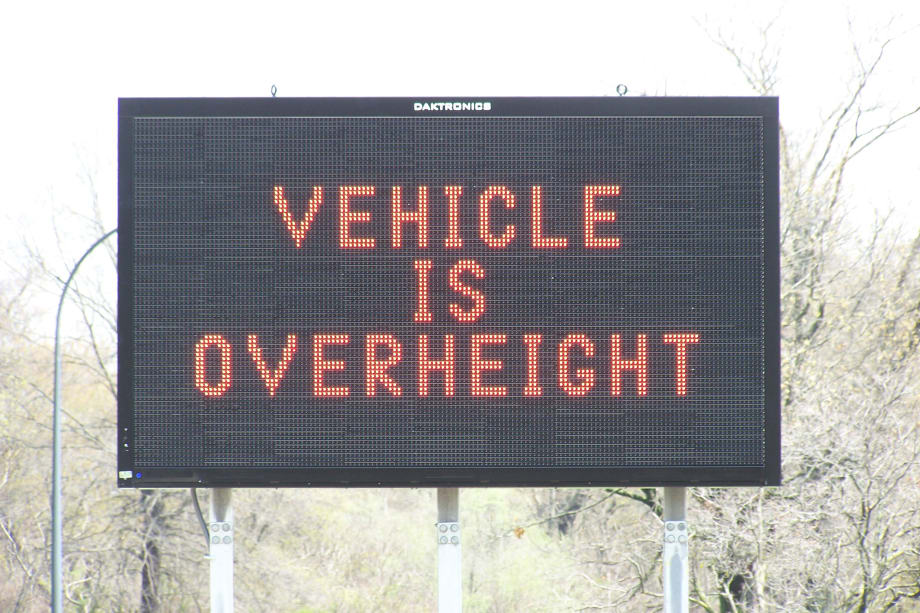
Photo: NY.gov
The installation of a $4.8 million over-height vehicle detection system has been completed on two New York City parkways, N.Y. Gov. Andrew Cuomo announced.
Using infrared to identify and alert over-height vehicles illegally using the Hutchinson River Parkway in the Bronx and the Grand Central Parkway in Queens, the system can prevent vehicles from striking low-clearance bridges.
The system was installed at four locations on the Hutchinson River Parkway and one on the Grand Central Parkway.
"This groundbreaking technology will improve traffic safety, enhance mobility, prevent delays and protect our highway infrastructure," said Gov. Cuomo. "These roadways are key parts of New York City’s transportation system and these improvements will make them for more convenient, reliable and safer for all."
The city bans large commercial vehicles from driving on parkways in New York City. The parkways were built in the 1930s and 1940s and were designed for automobiles of the era with bridge clearances as low as seven feet.
The detection systems were developed by the N.Y. Department of Transportation and are part of the state’s effort to keep commercial vehicles off parkways and improve roadway safety. Using infrared beams, the system identifies over-height vehicles and captures its movements on video. The system then posts an alert message for the driver on an electronic message sign, enabling the driver to leave the highway before coming to a bridge.
The data and video are also sent to the Department of Transportation’s Joint Traffic Management Center so that police can assist in getting a truck safely off the roadway, or mobilize quickly if an accident occurs.
“The damage from over-height vehicles striking our bridges is not only accidents and traffic delays, but repair costs for the State of New York,” said Jeff Klein, a N.Y. state senator. “These detectors will keep our bridges and roads safer and keep traffic moving, all the while ensuring that our infrastructure is structurally sound.”

Heavy Duty Trucking's Top 20 Products awards recognize the best new products and technologies. Check out the award presentations at the 2026 Technology & Maintenance Council annual meeting.
Read More →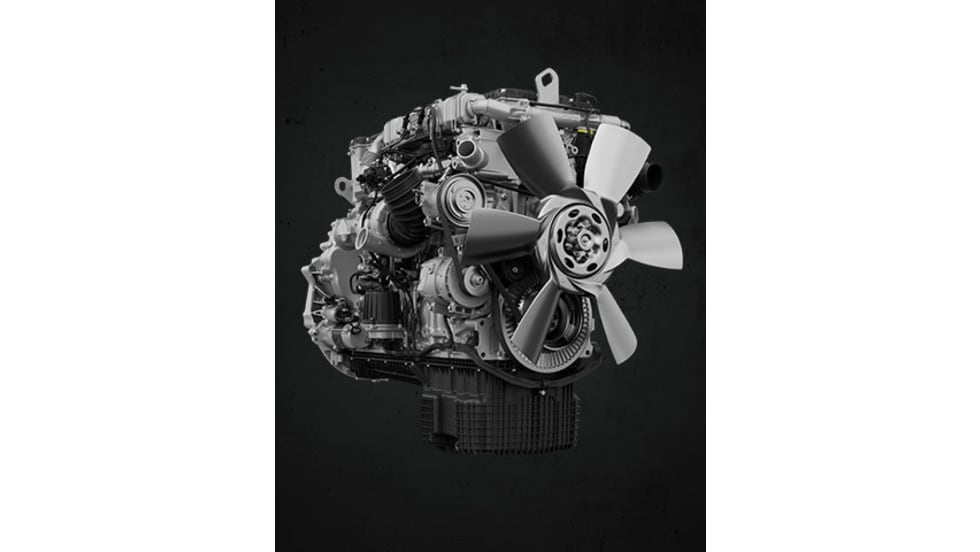
The Detroit® Gen 6 engine platform proves that real progress doesn’t require a complete redesign. Built on 20 years of trusted technology, these engines are designed for efficiency, stronger performance, and greater reliability than before. And they do it all while complying with 2027 EPA standards on every mile.
Read More →
The 2026 ACT Expo is focusing heavily on what organizer Erik Neandross calls trucking's digital frontier. This interview excerpt dives into artificial intelligence, zero-emission vehicles, and tips to make sense of it all.
Read More →
There's an amazing amount of new technology for trucking out there. For fleets, the challenge is figuring out what’s real, what’s hype, and what’s worth investing in.
Read More →
Artificial intelligence, the software-defined vehicle, telematics, autonomous trucks, electric trucks and alternative fuels, and more in this HDT Talks Trucking interview
Read More →
ACT Research data shows volumes hitting a four-year high and supply-demand balance strengthening, but higher oil prices are undercutting tariff relief and tempering optimism.
Read More →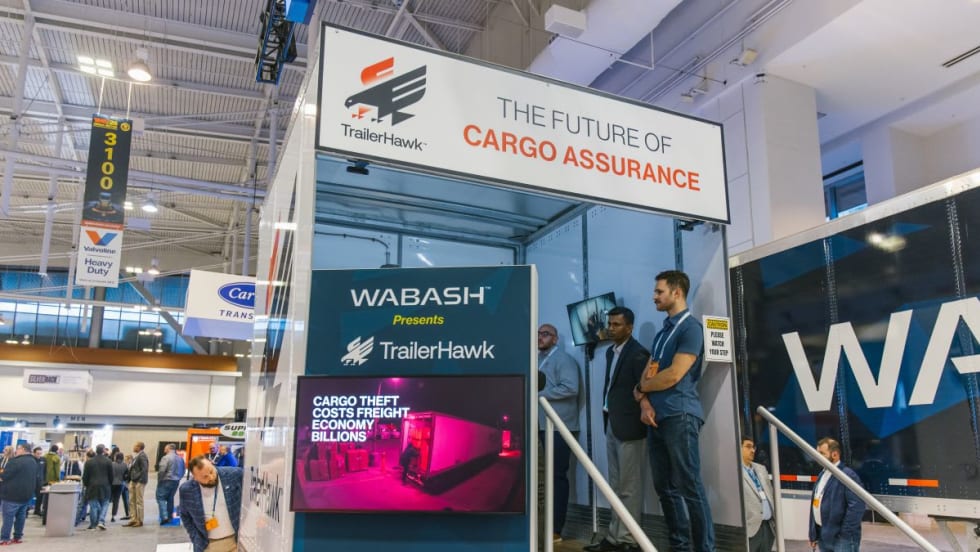
The patent-pending cargo solution integrates a digitally connected cargo door and an intelligent locking system with the TrailerHawk.AI technology platform.
Read More →
The impact of the Iran conflict extends beyond fuel costs, bringing more fraud and cybersecurity risks to the trucking industry.
Read More →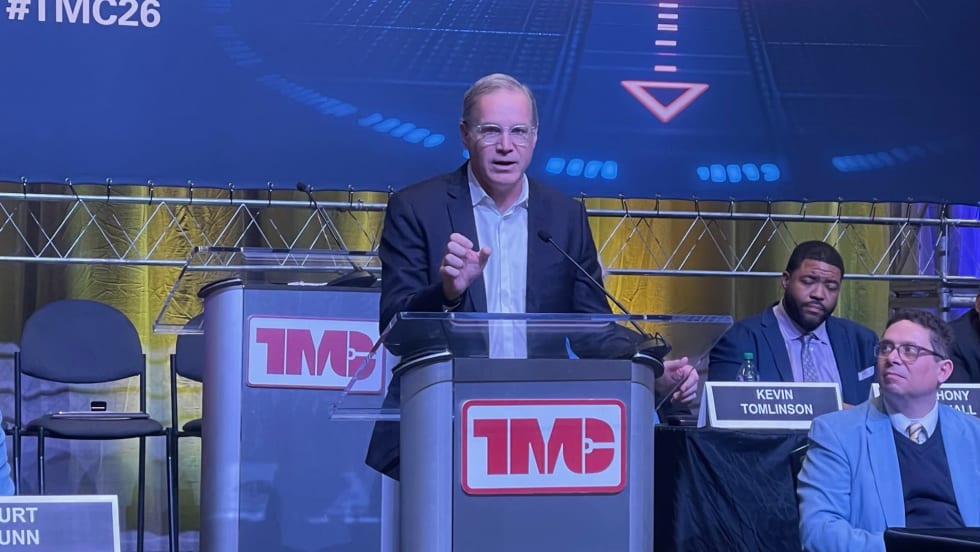
Speaking at the TMC Annual Meeting in Nashville, ATA President Chris Spear said trucking faces mounting pressure from rising fuel prices, geopolitical instability, and uncertainty around trade policy.
Read More →
More than 100,000 new trucking companies enter the industry each year, but regulators manage to audit only a fraction of them. That churn creates opportunities for inexperienced startups — and for “chameleon carriers” that shut down after safety violations and reappear under new identities. Read more from Deborah Lockridge in this commentary.
Read More →