



UPS plans to invest $100 million in its alternative fuel and advanced technology fleet, adding 12 new compressed natural gas fueling stations and 380 CNG trucks, the company announced.
 MENU
MENU SEARCH
UPS plans to invest $100 million in its alternative fuel and advanced technology fleet, adding 12 new compressed natural gas fueling stations and 380 CNG trucks.
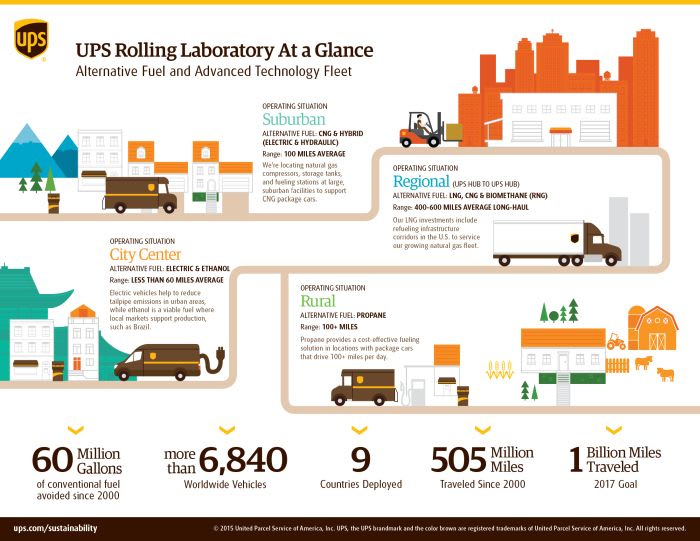
The UPS Rolling Laboratory appproach allows the company to determine which alternative fuel technolgies best fit a given operating environment. Source: UPS
UPS plans to invest $100 million in its alternative fuel and advanced technology fleet, adding 12 new compressed natural gas fueling stations and 380 CNG trucks, the company announced.
By investing heavily in its own CNG infrastructure, the company is planning for the long term instead of around near-term fuel pricing fluctuations, according to UPS. The company is working to meet its goal of logging 1 billion miles with its alternative fuel and advanced technology fleet by the end of 2017.
Part of its strategy for meeting that goal is a testing approach that UPS calls a Rolling Laboratory. The company tests and deploys a variety of vehicle types based on the terrain and delivery conditions at each location. The approach allows UPS to determine the right alternative fuel solutions meet the needs of route-specific driving environments.
UPS’s fleet in the U.S. includes more than 6,840 all-electric, hybrid electric, hydraulic electric, CNG, LNG, propane and light-weight composite body vehicles.
“CNG is part of a broad investment in a variety of alternative fuel vehicles,” said Mark Wallace, UPS senior vice president of global engineering and sustainability. “Taken together, all of our alternative fuel vehicles represent 6% of the more than 100,000 UPS global fleet, and have driven a 10% annual reduction in use of conventional fuel.”
The new CNG trucks will be manufactured by Kenworth with Agility and Quantum Fuel Systems providing the CNG storage systems. The 12 new CNG stations will be built by TruStar Energy in Amarillo, Texas; Chattanooga, Tenn.; Columbia, S.C.; El Paso, Texas; Fort Worth, Texas; Kansas City, Kan.; Phoenix, Ariz.; Reno, Nev.; San Antonio, Texas; Tifton, Ga.; Trinidad, Colo., and Willow Grove, Pa.
This investment builds on the company’s existing 18 CNG fueling stations in Alabama, California, Colorado, Georgia, Kansas, Kentucky, Louisiana, Oklahoma, Pennsylvania, Texas, Virginia and West Virginia. UPS also operates CNG vehicles in Germany, the Netherlands, and Thailand.
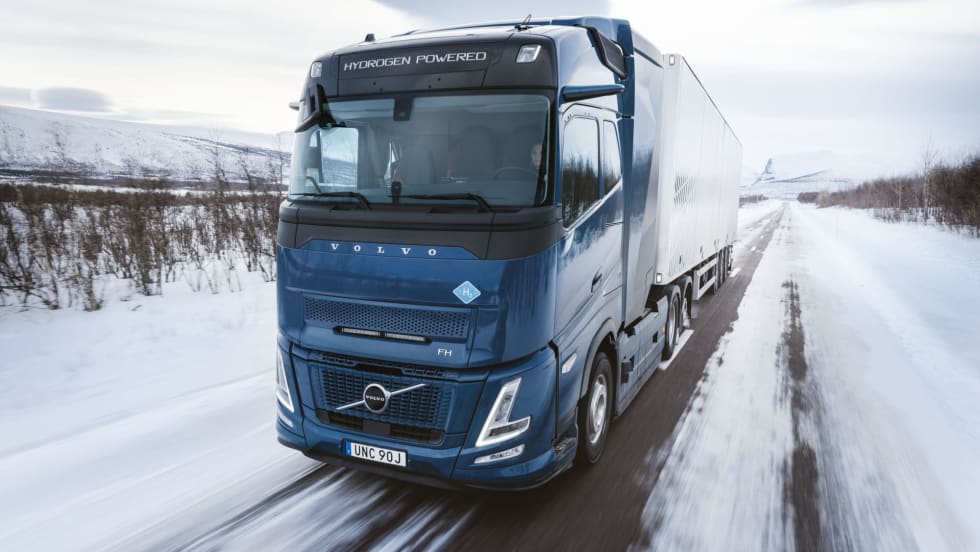
Hydrogen combustion engine trucks will be especially suitable over longer distances and in regions where there is limited charging infrastructure or time for recharging of battery-electric trucks, according to the company.
Read More →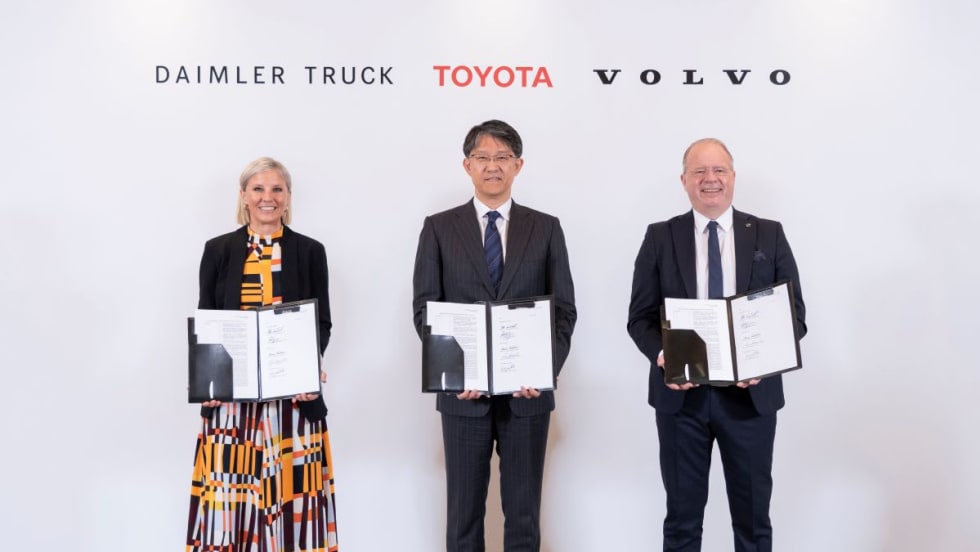
By joining Daimler Truck and Volvo, Toyota brings fuel cell expertise to a joint effort aimed at making hydrogen viable for heavy-duty transport.
Read More →
Trucking operators are slowing speeds, cutting empty miles, and declining unprofitable freight as diesel costs continue to rise due to conflict in the Middle East.
Read More →
New guidance allows engine makers to replace problematic DEF sensors with NOx-based systems, aiming to reduce unnecessary derates and downtime caused by failures in the sensors designed to monitor diesel exhaust fluid on trucks.
Read More →
Is your company a leader in sustainability efforts among trucking fleets? If so, Heavy Duty Trucking's editors want to hear from you.
Read More →
Artificial intelligence, the software-defined vehicle, telematics, autonomous trucks, electric trucks and alternative fuels, and more in this HDT Talks Trucking interview
Read More →With global oil flows disrupted, U.S. diesel prices have topped $5 across every region, climbing sharply in the past few weeks.
Read More →
The impact of the Iran conflict extends beyond fuel costs, bringing more fraud and cybersecurity risks to the trucking industry.
Read More →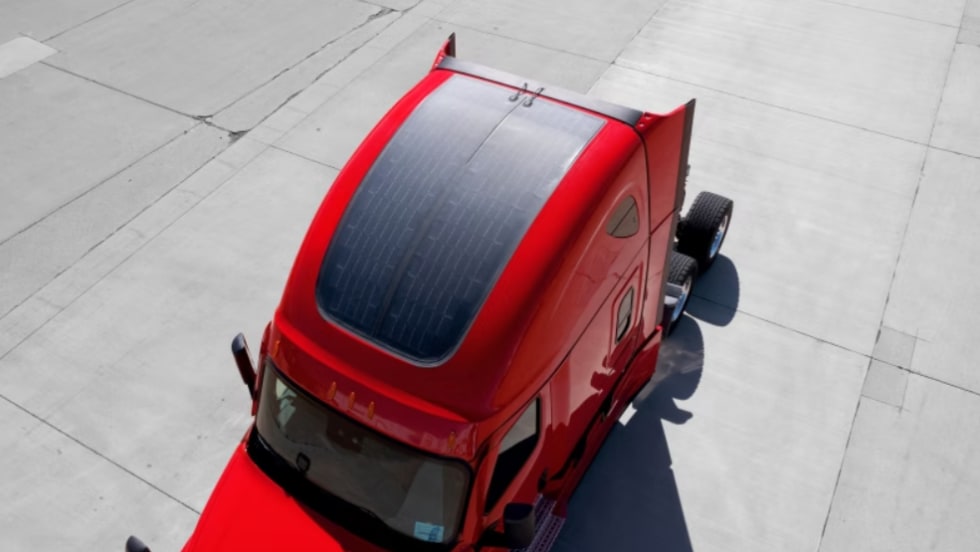
The company’s expanded EPEQ ecosystem includes flexible solar panels, lithium batteries, hydraulic power systems, and a portable fast charger for electric trucks.
Read More →
Listen as Mike Roeth of the North American Council for Freight Efficiency shares insights into battery-electric trucks, natural gas, biofuels, and clean diesel on this episode of HDT Talks Trucking.
Read More →