Fleets in Colorado can now apply for funding to pay for the incremental cost of alternative-fuel vehicles (AFVs). Public fleets can receive between $7,000 and $35,000 for each vehicle.
by Staff
February 3, 2016
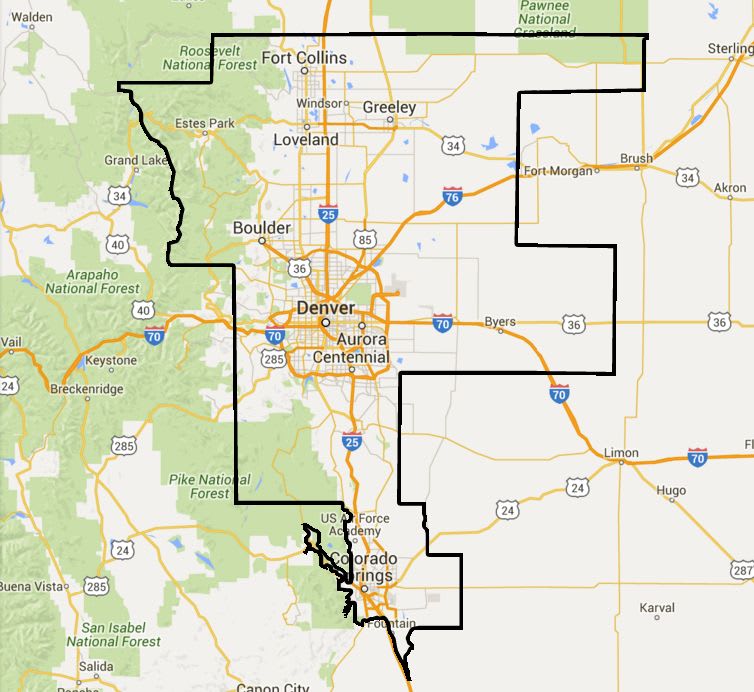
Fleets predominantly working within the marked region qualify for the AFV funding.
2 min to read
Fleets predominantly working within the marked region qualify for the AFV funding.
Fleets in Colorado can now apply for grant funding to pay for the incremental cost of alternative-fuel vehicles (AFVs). The funding is part of the ALT Fuels Colorado program, administered by the Regional Air Quality Council (RAQC), and is intended to improve air quality and incentivize widespread, early adoption of these vehicles in Colorado. This year, the second year of the program, $4 million will be available for vehicles.
Ad Loading...
AFVs that are eiligible include new OEM compressed natural gas (CNG) , electric, propane autogas and CNG bi-fuel vehicles over 6,000 lbs. GVWR. Funding for AFV purchases is available for public, non-profit, and private fleets operating predominately within Colorado’s ozone nonattainment and carbon monoxide maintenance areas, which include all of Adams, Arapahoe, Boulder, Broomfield, Denver, Douglas, and Jefferson counties as well as areas of El Paso, Teller, Larimer, and Weld counties.
Ad Loading...
The grant will pay up to 80% of the incremental difference between the alt-fuel vehicle and the comparable, conventionally fueled vehicle up to the following maximums:
Duty Class
RAQC Funding for Public & Non-Profit Fleets
RAQC Funding for Private Fleets
Light-Duty AFV (6,001-10,000 lbs.)
$7,000
$3,000
Medium-Duty AFV (10,001-26,000 lbs.)
$25,000
$15,000
Heavy-Duty AFV (26,001+ lbs.)
$35,000
$22,000
Vehicles may be purchased or leased, but leased vehicles must be kept for a minimum of five years.
Applications are due Feb. 29. Additional information can be found in the application guide.
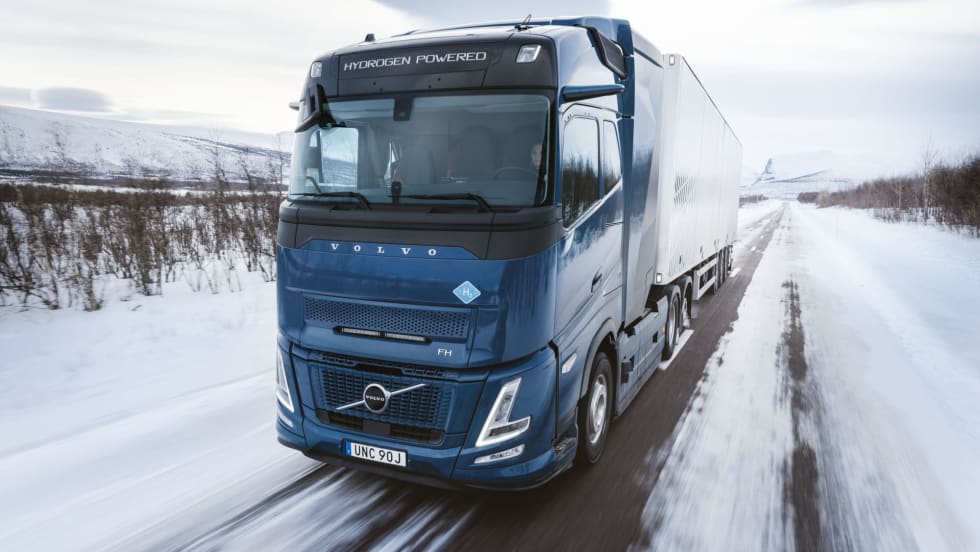
Hydrogen combustion engine trucks will be especially suitable over longer distances and in regions where there is limited charging infrastructure or time for recharging of battery-electric trucks, according to the company.
Trucking operators are slowing speeds, cutting empty miles, and declining unprofitable freight as diesel costs continue to rise due to conflict in the Middle East.
New guidance allows engine makers to replace problematic DEF sensors with NOx-based systems, aiming to reduce unnecessary derates and downtime caused by failures in the sensors designed to monitor diesel exhaust fluid on trucks.
Artificial intelligence, the software-defined vehicle, telematics, autonomous trucks, electric trucks and alternative fuels, and more in this HDT Talks Trucking interview
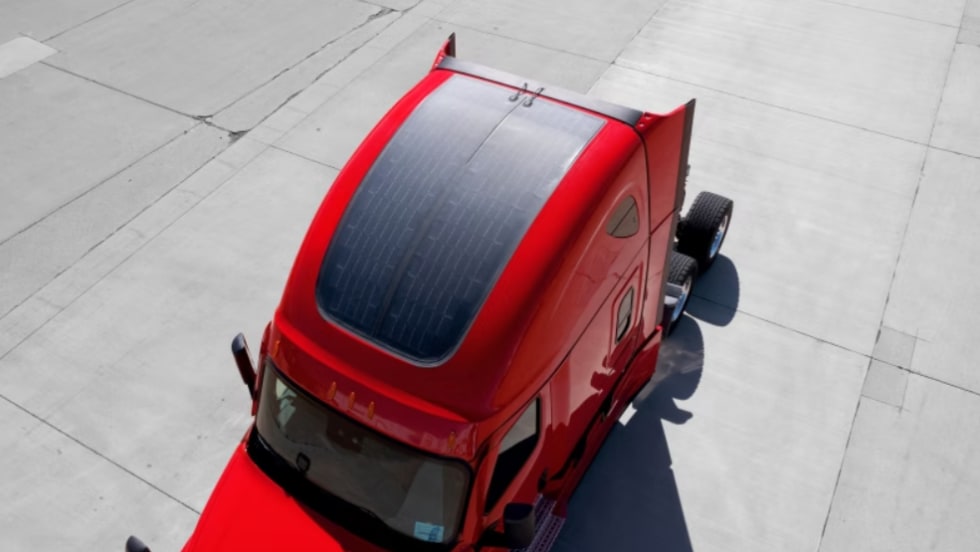
The company’s expanded EPEQ ecosystem includes flexible solar panels, lithium batteries, hydraulic power systems, and a portable fast charger for electric trucks.
Listen as Mike Roeth of the North American Council for Freight Efficiency shares insights into battery-electric trucks, natural gas, biofuels, and clean diesel on this episode of HDT Talks Trucking.