





Related: Side Underride Guards Among NTSB Safety Recommendations
NHTSA to Upgrade Truck Underride and Conspicuity Rules
The National Highway Traffic Safety Administration has issued an Advance Notice of Proposed Rulemaking on the rear-underride crash protection and visibility of single-unit trucks.
July 20, 2015
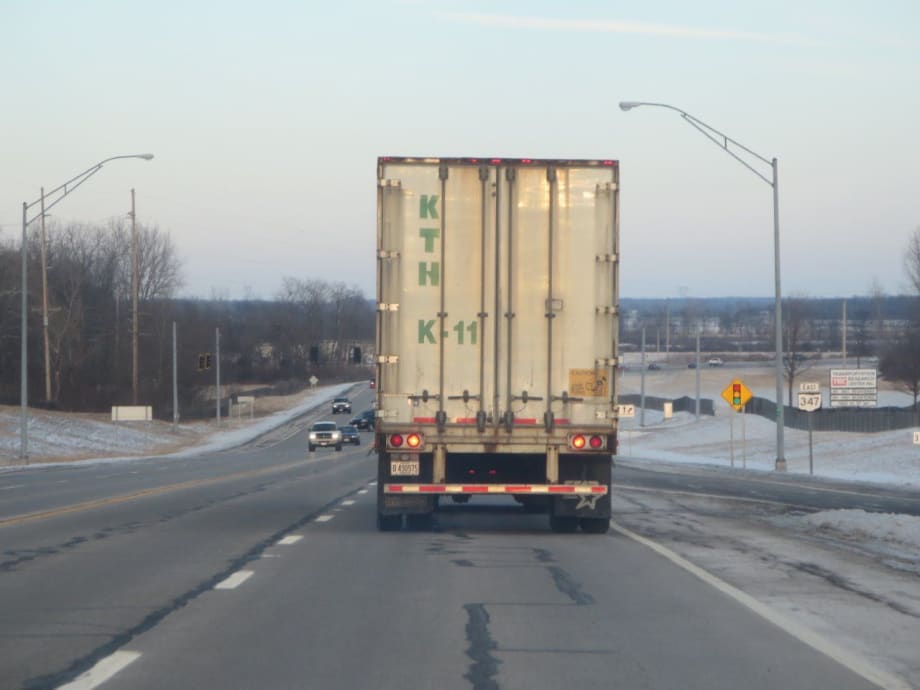
Photo: Tom Berg
2 min to read
Photo: Tom Berg
The National Highway Traffic Safety has issued an Advance Notice of Proposed Rulemaking on the rear-underride crash protection and visibility of single-unit trucks.
NHTSA said the ANPRM is “the first step of a larger agency initiative to upgrade the standards for truck and trailer underride crash protection” and aims to gather “significant input from the public and stakeholders on the estimated cost and benefits of safety strategies for these vehicles.”
The agency defines SUTs as trucks with a gross vehicle weight rating greater than 10,000 pounds with no trailer.
Per NHTSA estimates, a requirement for rear impact guards on single unit trucks could save five lives and prevent 30 injuries a year, at a cost of approximately $669 million to equip some 342,000 vehicles.
The agency also said a requirement for placing reflective tape on single-unit trucks could save up to 14 lives a year, at a cost of approximately $30 million annually for some 579,000 vehicles.
Accordingly, NHTSA is seeking comments about requirements for rear impact guards on new single-unit trucks and reflective material on the rear and sides of these vehicles.
The agency noted that issuance of the ANPRM stems from granting of a petition last year for rulemaking regarding possible amendments to the federal motor vehicle safety standards relating to rear underride guards.
NHTSA plans to issue a notice of proposed rulemaking on requirements for rear impact guards on trailers later this year.
Comments on the ANPRM on single-unit trucks can be submitted to the docket [No. NHTSA-2015-0070] up to 60 days after publication in the Federal Register.
Click here to view the ANPRM.
More Fleet Management

Volvo, Waabi Start Commercial Autonomous Operations in Texas
Volvo VNL Autonomous trucks, powered by the Waabi Driver, are hauling freight directly to third-party facilities for a customer in Texas.
Read More →
Samsara Launches Custom AI Agent Builder
Agent Studio lets fleets create AI tools for hours-of-service monitoring, reporting and driver support, including agents that communicate by phone.
Read More →
Einride Driverless Electric Trucks Begin Daily Freight Operations in Ohio
Two cabless electric trucks are hauling freight between EASE Logistics facilities in Marysville, Ohio, as part of a multi-state truck automation project.
Read More →

Geotab Links Fleet Card to Vehicle Data
The new card combines fuel discounts with telematics-based purchase controls. Geotab’s analysis also points to potential savings from choosing lower-priced fuel stops.
Read More →
How MFA Helps Protect Trucking Fleets
Multi-factor authentication adds protection when passwords are stolen. Here’s how it works and where fleets should start.
Read More →
How Better Freight Data Helps Trucking Teams Get Ahead of Disruption
Trucking and logistics teams have plenty of data. The problem is getting the right information in front of the right people soon enough to act. Better-connected data can help teams spot trouble earlier and make smarter decisions before small problems become big ones.
Read More →
Trimble: Taking Artificial Intelligence in Trucking Beyond Faster Tasks
At Insight 2026, Trimble executives argued that fleets may need to redesign workflows to get more from AI as it introduced new products and enhancements. AI’s value will depend on how fleets combine automation with their people's knowledge.
Read More →
Sponsored•September 28, 2026
Build a bulletproof fleet: Uniting ELDs and dash cams for total compliance
An ELD can prove compliance, but it cannot always prove what happened on the road. Discover how uniting accurate ELD data with AI-powered dash cam video can help your fleet strengthen compliance, defend against liability, protect drivers and reduce operational costs.
Read More →
Nominations Open for HDT Emerging Leaders
Heavy Duty Trucking is looking for accomplished trucking fleet professionals under 40 who are making an impact and helping lead the industry forward.
Read More →
Why Private Fleets Are Taking More Freight
Private fleets are putting their own trucks on demanding customers and high-cost lanes as companies seek greater control over service, costs, and capacity.
Read More →