




OEM powertrain integration will ultimately positively disrupt the telematics industry, according to Matthew Pfaffenback, director of telematics, Daimler Trucks North America.
 MENU
MENU SEARCH
OEM powertrain integration will ultimately positively disrupt the telematics industry, according to Matthew Pfaffenback, director of telematics, Daimler Trucks North America, speaking at the ALK Transportation Technology Summit.

Matthew Pfaffenback, director of telematics, Daimler Trucks North America, speaks at the ALK Transportation Technology Summit. (Photo courtesy of Able Communications)
OEM powertrain integration will ultimately positively disrupt the telematics industry, according to Matthew Pfaffenback, director of telematics, Daimler Trucks North America.
Speaking at the ALK Transportation Technology Summit held May 4-7 in Princeton, N.J., Pfaffenback said the OEM has “a lot to gain or lose” in terms of telematics when it comes to supporting the vehicle in the field.
On the other hand, he noted that while fleets have discovered the importance of telematics, many of them doubt the ability of individual OEMs to design telematics offerings for their specific needs, which has led to the proliferation of third-party vendors supplying these systems.
While telematics service providers have become well established, the key is the ability of these services to integrate with a fleet’s existing systems, Pfaffenback said. He added that stand-alone services are left-alone services and that fleets are driven to consolidate their applications rather than split them apart. As a result, new services that do not integrate well with existing processes are unlikely to be adopted.
The lesson, Pfaffenback said, is that both OEMs and telematics service providers have to adapt. OEMs can convert data into information and provide to both large and small fleets. While “a lot of information that could be very useable comes from the powertrain,” that is not information that engine and transmission OEMs want to share.
He added that the OEM focus should be about information truck customers cannot get anywhere else, and that OEMs must develop connectivity solutions that complement the solutions already provided by telematics service providers.
Referring to Daimler’s partnership with Zonar in developing an onboard tablet and the companies' Virtual Technician service, he said that instead of a vehicle coming into the shop with a “blank page,” now it comes in with a lot of information about the vehicle.
Further making the case for OEM-provided telematics platforms is the fact that that telematics providers have said they want to move into the software business and not be in the hardware business, he said. “Our intention is to be a complementary service to those provided by the telematics service providers."
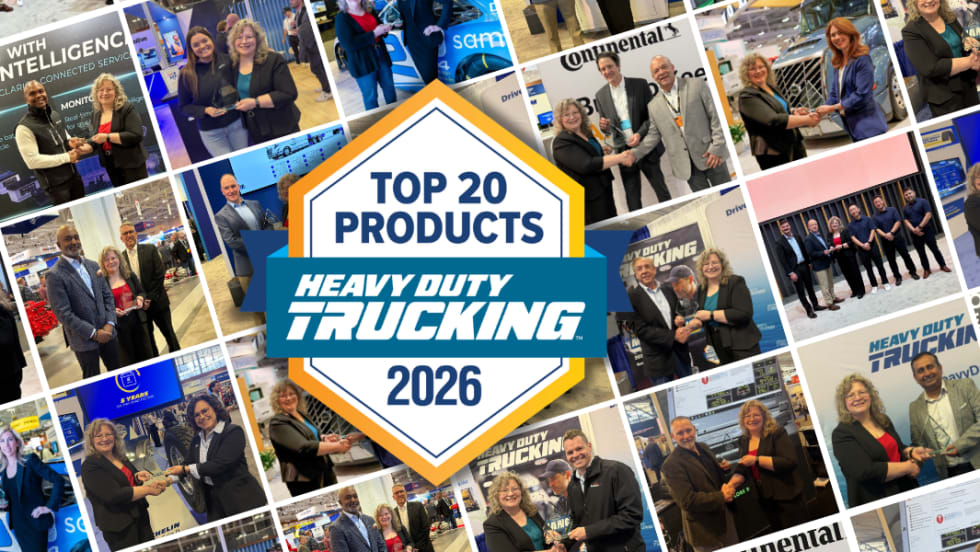
Heavy Duty Trucking's Top 20 Products awards recognize the best new products and technologies. Check out the award presentations at the 2026 Technology & Maintenance Council annual meeting.
Read More →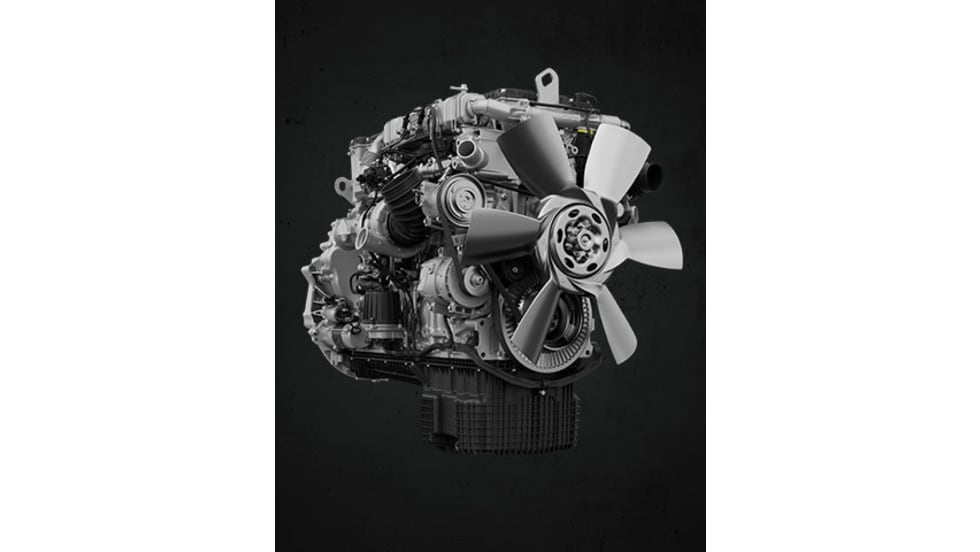
The Detroit® Gen 6 engine platform proves that real progress doesn’t require a complete redesign. Built on 20 years of trusted technology, these engines are designed for efficiency, stronger performance, and greater reliability than before. And they do it all while complying with 2027 EPA standards on every mile.
Read More →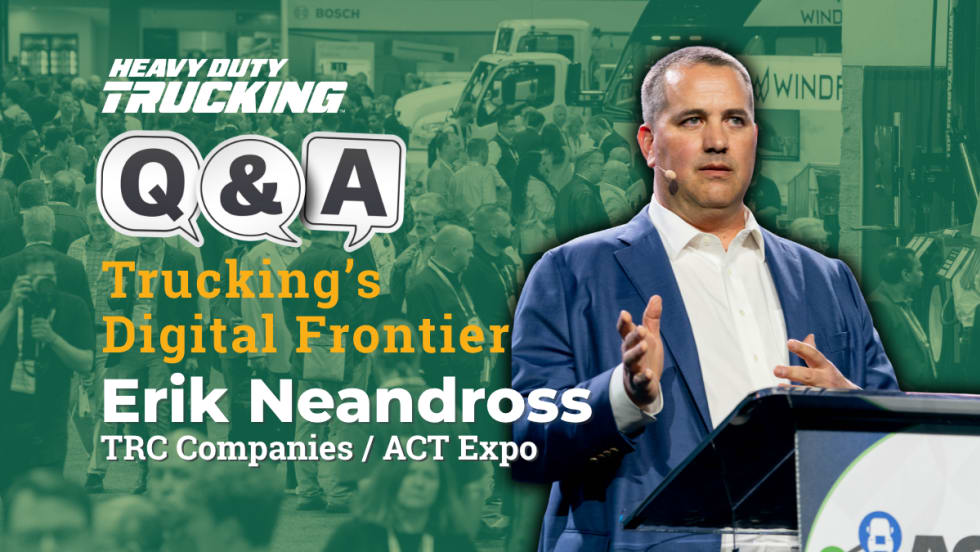
The 2026 ACT Expo is focusing heavily on what organizer Erik Neandross calls trucking's digital frontier. This interview excerpt dives into artificial intelligence, zero-emission vehicles, and tips to make sense of it all.
Read More →
There's an amazing amount of new technology for trucking out there. For fleets, the challenge is figuring out what’s real, what’s hype, and what’s worth investing in.
Read More →
Artificial intelligence, the software-defined vehicle, telematics, autonomous trucks, electric trucks and alternative fuels, and more in this HDT Talks Trucking interview
Read More →
ACT Research data shows volumes hitting a four-year high and supply-demand balance strengthening, but higher oil prices are undercutting tariff relief and tempering optimism.
Read More →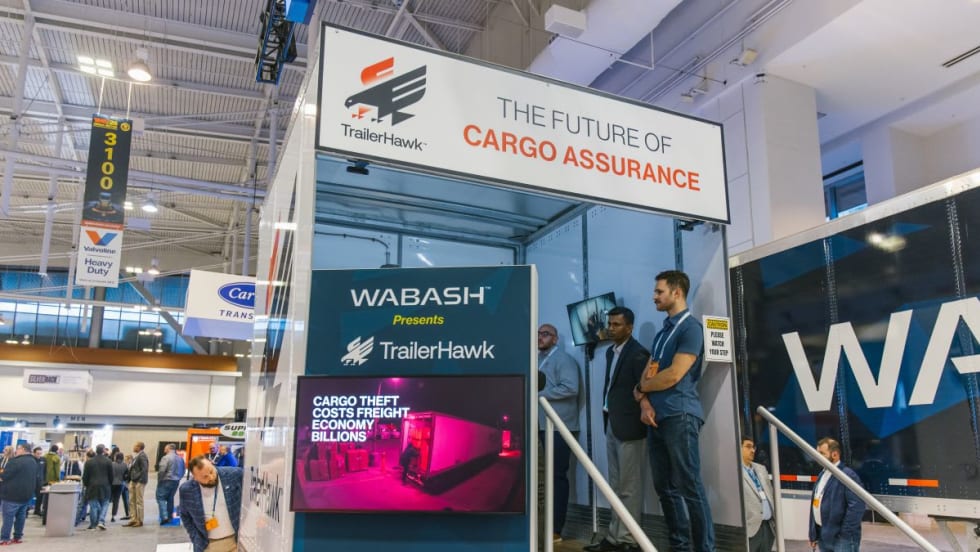
The patent-pending cargo solution integrates a digitally connected cargo door and an intelligent locking system with the TrailerHawk.AI technology platform.
Read More →
The impact of the Iran conflict extends beyond fuel costs, bringing more fraud and cybersecurity risks to the trucking industry.
Read More →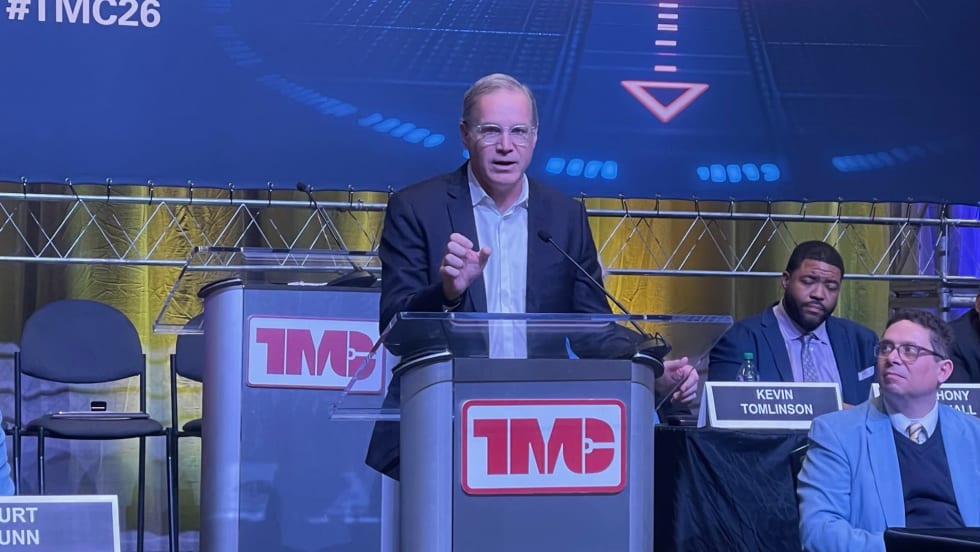
Speaking at the TMC Annual Meeting in Nashville, ATA President Chris Spear said trucking faces mounting pressure from rising fuel prices, geopolitical instability, and uncertainty around trade policy.
Read More →
More than 100,000 new trucking companies enter the industry each year, but regulators manage to audit only a fraction of them. That churn creates opportunities for inexperienced startups — and for “chameleon carriers” that shut down after safety violations and reappear under new identities. Read more from Deborah Lockridge in this commentary.
Read More →