Ryder Training All Its Technicians on NGV Maintenance
Ryder System has launched an online natural gas vehicle maintenance training program for its North American maintenance network.
by Staff
February 18, 2015
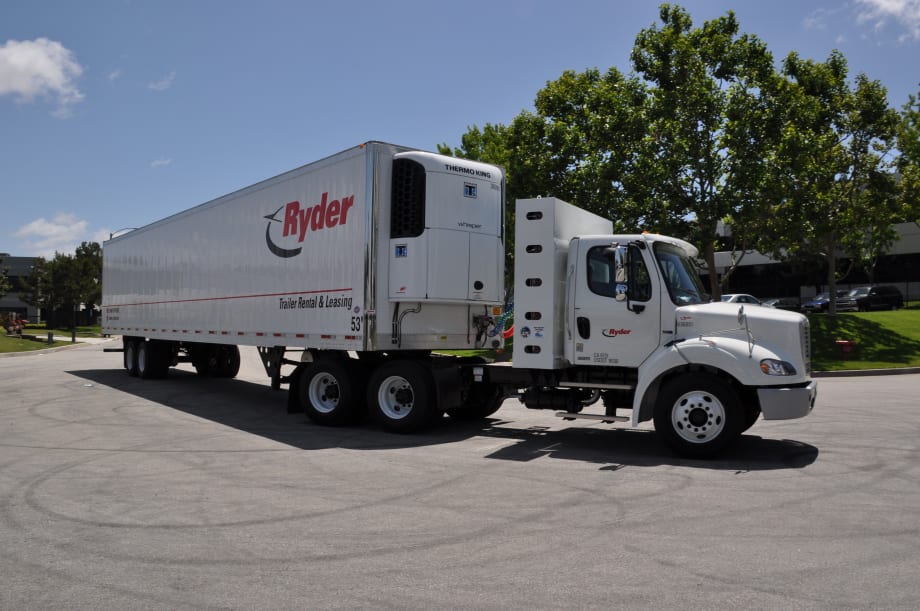
Ryder has CNG and LNG vehicles deployed in customer fleets in California, New York, Michigan, Texas, Arizona, Utah, Georgia and Louisiana. Photo courtesy Ryder.
1 min to read
Ryder has CNG and LNG vehicles deployed in customer fleets in California, New York, Michigan, Texas, Arizona, Utah, Georgia and Louisiana. Photo courtesy Ryder.
Ryder System has launched an online natural gas vehicle maintenance training program for its North American maintenance network. The program will provide the technician workforce with knowledge of all natural gas vehicle platforms and configurations.
Ad Loading...
Ryder’s 6,000 maintenance and service employees in the company’s 800 maintenance facilities will be trained in the technology. The program will supplement existing natural gas vehicle training completed by employees already working on natural gas vehicles in customer fleets.
Ad Loading...
“As natural gas vehicle solutions continue to gain acceptance across North America, now is an appropriate time to ensure Ryder’s technician workforce at every facility is aware of the basic requirements for servicing the new technology,” said Melvin Kirk, vice president of maintenance and quality operations at Ryder.
The company currently has 14 natural gas vehicle maintenance facilities with 260 natural gas vehicle trained technicians. Ryder has CNG and LNG vehicles deployed in customer fleets in California, New York, Michigan, Texas, Arizona, Utah, Georgia and Louisiana. Ryder operates Liquefied to Compressed Natural Gas fuel stations at its Fontana and Orange, Calif., service locations and offers LNG fuelling at its Fulton, Ga., maintenance facility.
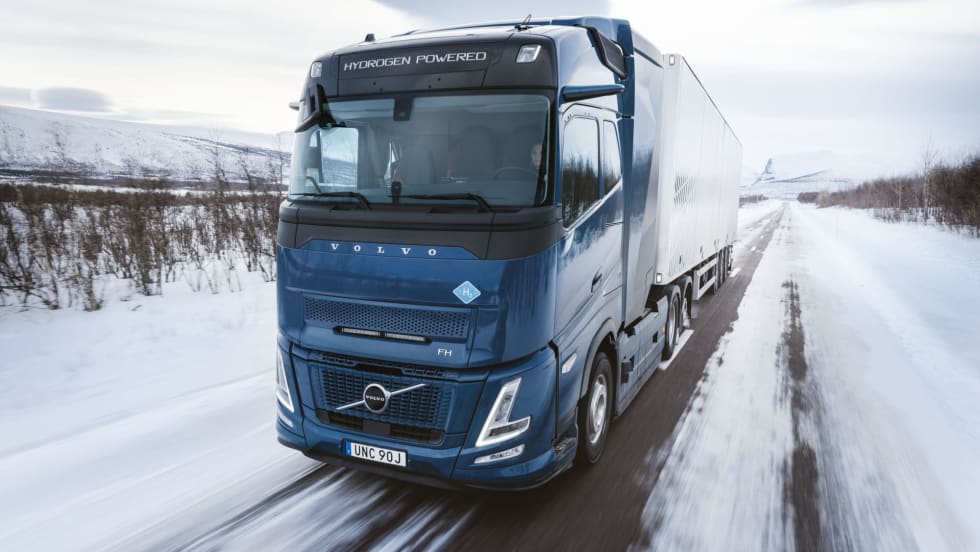
Hydrogen combustion engine trucks will be especially suitable over longer distances and in regions where there is limited charging infrastructure or time for recharging of battery-electric trucks, according to the company.
Trucking operators are slowing speeds, cutting empty miles, and declining unprofitable freight as diesel costs continue to rise due to conflict in the Middle East.
New guidance allows engine makers to replace problematic DEF sensors with NOx-based systems, aiming to reduce unnecessary derates and downtime caused by failures in the sensors designed to monitor diesel exhaust fluid on trucks.
Artificial intelligence, the software-defined vehicle, telematics, autonomous trucks, electric trucks and alternative fuels, and more in this HDT Talks Trucking interview
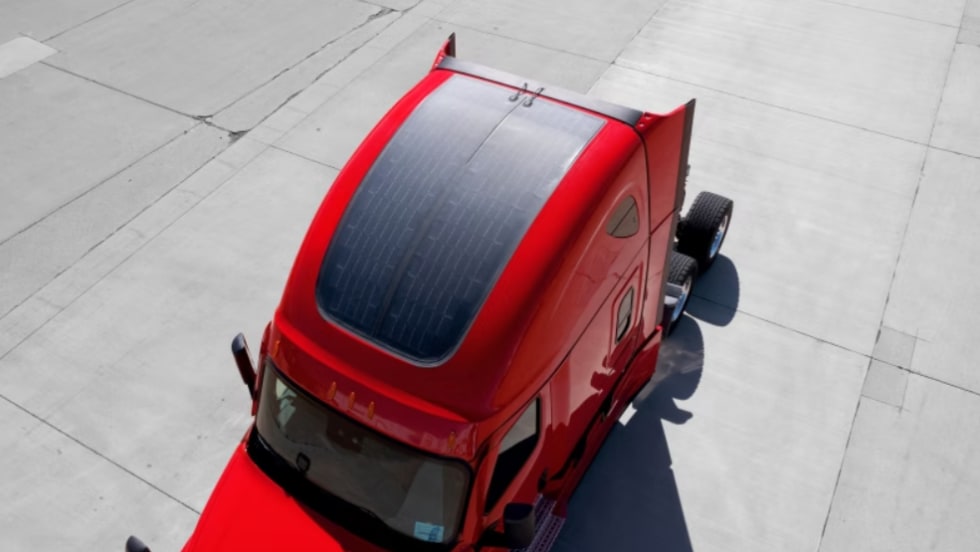
The company’s expanded EPEQ ecosystem includes flexible solar panels, lithium batteries, hydraulic power systems, and a portable fast charger for electric trucks.
Listen as Mike Roeth of the North American Council for Freight Efficiency shares insights into battery-electric trucks, natural gas, biofuels, and clean diesel on this episode of HDT Talks Trucking.