



The Oregon Department of Environmental Quality is looking for local fleets and owner-operators to participate in a possible truck replacement program to improve the air quality at ports, rail and intermodal facilities in the region.
 MENU
MENU SEARCH
The Oregon Department of Environmental Quality is looking for local fleets and owner-operators to participate in a possible truck replacement program funded by the U.S. Environmental Protection Agency. The program will pay for up to half the cost of a new truck, provided the old one is scrapped.


Photo via Port of Portland
The Oregon Department of Environmental Quality is looking for local fleets and owner-operators to participate in a possible truck replacement program to improve the air quality at ports, rail and intermodal facilities in the region.
The program offers to pay for half the cost of a replacement truck in order to remove trucks older than model year 2010 from the road. With funding authorized by the Diesel Emissions Reduction Act, the U.S. Environmental Protection Agency is providing a grant of up to $2 million for any states that can demonstrate enough interest and need.
“The EPA is willing to provide up to half the cost of buying a new truck, provided the old truck is scrapped,” explained Kevin Downing, the Clean Diesel Program Coordinator for the Oregon DEQ. “What the EPA is doing is buying air quality, but we’re buying trucks.”
The latest and most significant emissions standards first took effect in 2007 model year engines. By 2010, new engines met these clean burning diesel standards removing many of particulates and NOx from diesel exhaust.
“Ultimately, with the 2010 model year engines, we now have the cleanest-burning diesel engines in the world operating in the United States,” said Downing.
While over time, fleets and truck owners will eventually replace older vehicles, accelerating the process can have a positive effect on health. The Portland Air Toxics study found that with only normal fleet turnover, that by 2017 Portland’s residents would still be facing an excess cancer risk from diesel exhaust.
“What this grant is really about is providing an incentive for people to replace a truck sooner than what they had planned,” said Downing. “We get an air quality benefit from accelerated turnover to newer and lower-emitting trucks.”
The Truck Replacement Program, if granted to Oregon from the EPA, is open to fleets and owner-operators using a diesel-powered drayage truck that makes at least 150 trips per year into a port, rail or intermodal facility. Interest in the program has been positive so far, says Downing.
“We probably have 50 companies that have expressed an interest in the grant,” said Downing. “We have to see how many trucks they offer and the cost of the trucks and how many we can fit under the EPA funding limit.”
The Oregon DEQ has to submit its application to the EPA by Dec. 11, which means that time is limited for the organization to make determinations about interest and funding. Once it receives the applications, the EPA will process the requests and grant funding by April 2015.
Oregon is one of the more trade-dependent states, and Downing believes that successfully securing the funding for the program is essential to keeping Oregon not just a productive freight movement region, but a clean one.
“Getting this grant will help us make sure that freight is moved well but also with lower environmental impacts,” said Downing. “We have a special interest in making sure truck owners are aware of it and that they can qualify.”
If you are interested in the program and would like more details, contact Kevin Downing at the Oregon Department of Environmental Quality by email at downing.kevin@deq.state.or.us.
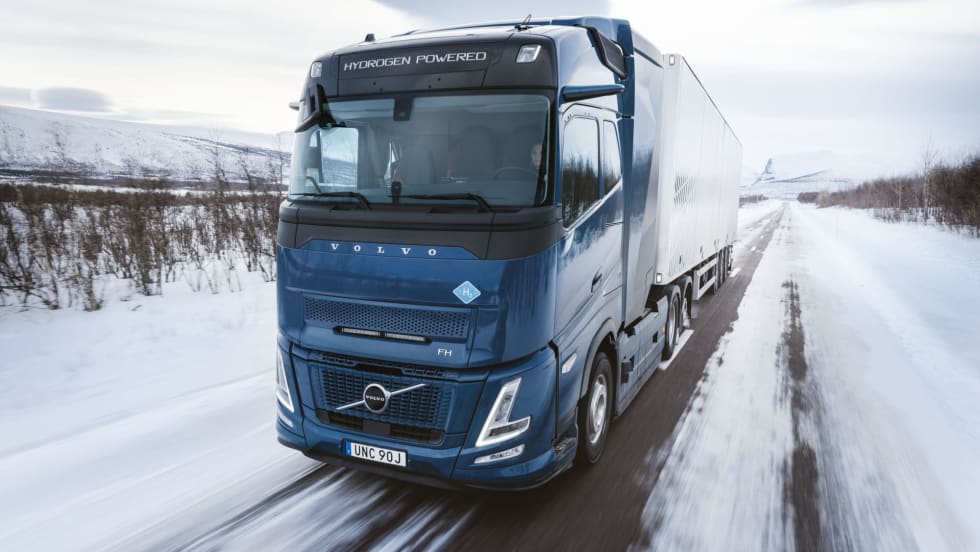
Hydrogen combustion engine trucks will be especially suitable over longer distances and in regions where there is limited charging infrastructure or time for recharging of battery-electric trucks, according to the company.
Read More →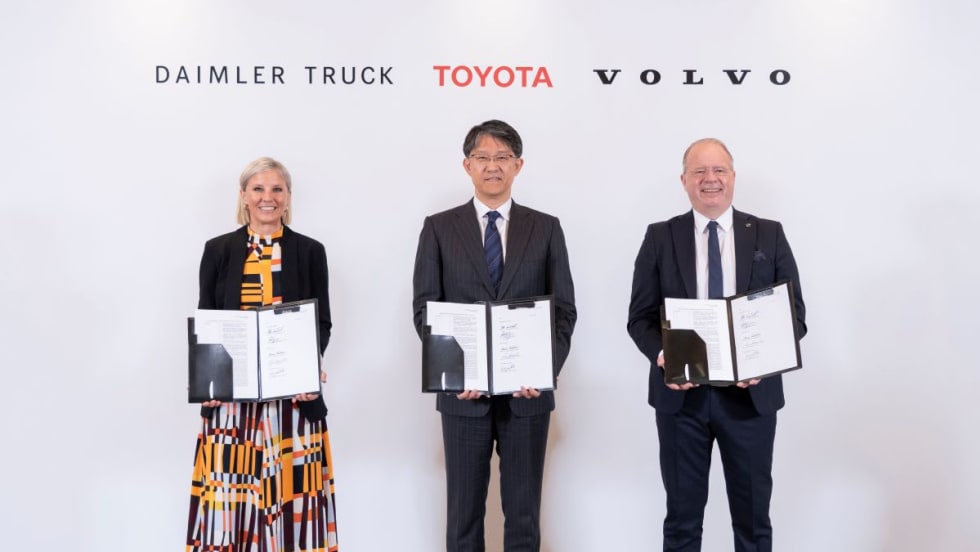
By joining Daimler Truck and Volvo, Toyota brings fuel cell expertise to a joint effort aimed at making hydrogen viable for heavy-duty transport.
Read More →
Trucking operators are slowing speeds, cutting empty miles, and declining unprofitable freight as diesel costs continue to rise due to conflict in the Middle East.
Read More →
New guidance allows engine makers to replace problematic DEF sensors with NOx-based systems, aiming to reduce unnecessary derates and downtime caused by failures in the sensors designed to monitor diesel exhaust fluid on trucks.
Read More →
Is your company a leader in sustainability efforts among trucking fleets? If so, Heavy Duty Trucking's editors want to hear from you.
Read More →
Artificial intelligence, the software-defined vehicle, telematics, autonomous trucks, electric trucks and alternative fuels, and more in this HDT Talks Trucking interview
Read More →With global oil flows disrupted, U.S. diesel prices have topped $5 across every region, climbing sharply in the past few weeks.
Read More →
The impact of the Iran conflict extends beyond fuel costs, bringing more fraud and cybersecurity risks to the trucking industry.
Read More →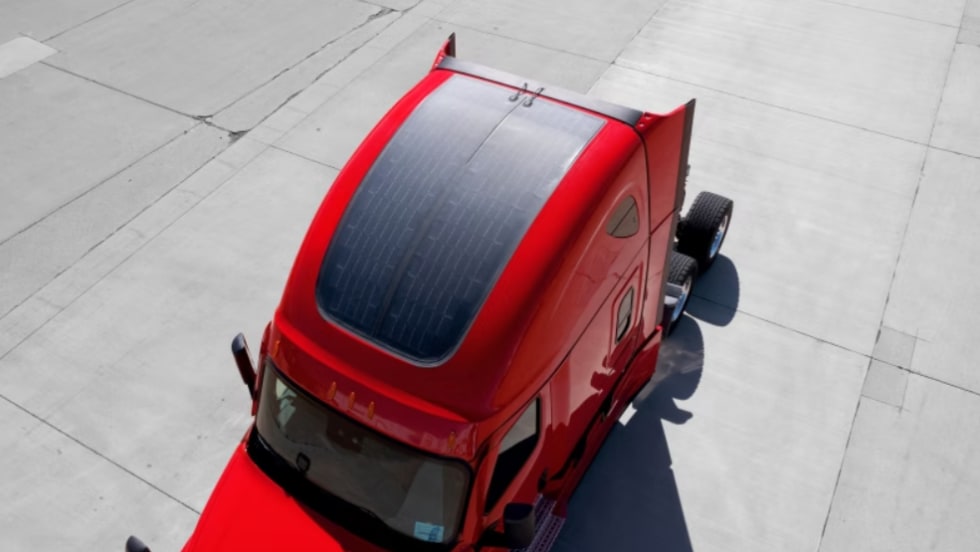
The company’s expanded EPEQ ecosystem includes flexible solar panels, lithium batteries, hydraulic power systems, and a portable fast charger for electric trucks.
Read More →
Listen as Mike Roeth of the North American Council for Freight Efficiency shares insights into battery-electric trucks, natural gas, biofuels, and clean diesel on this episode of HDT Talks Trucking.
Read More →