




Lytx Fatigue Detection Technology Uses AI, Human Reviews
Lytx says its Fatigue Detection technology can help fleets manage truck driver fatigue with unprecedented precision.


Lytx says the professional review step of its Fatigue Detection feature means 90% accuracy, compared to other fatigue solutions with accuracy rates below 50%.
Source: Lytx video
Lytx says its Fatigue Detection technology can help fleets manage truck driver fatigue with unprecedented precision.
It uses machine vision and artificial intelligence (MV+AI) technology, combined with human intelligence, to give fleets earlier and more accurate visibility into drivers showing signs of fatigue. Advanced alerts and notifications allow fleet managers to take proactive measures to mitigate fatigue-related risks.
By intelligently analyzing subtle signs over time — such as prolonged eyelid closure, micro-nodding, and lane drifting — the system gives fleet managers actionable insights for timely intervention.
“Fatigue is a progressive process and often cannot be determined based on a singular event,” said Brendon Hill, senior vice president of product at Lytx, in a release.
“Lytx’s state-of-the-art Fatigue Detection AI technology analyzes numerous signals, behaviors, and data to minimize false positives and provide drivers and fleet managers with more accurate alerts. This enables our customers to reliably support their drivers if fatigue sets in.”
How Lytx Fatigue Detection Works
Lytx Fatigue Detection captures patterns of fatigue-related behaviors over a continual period, rather than just a moment in time. The system detects signs such as closing eyes for more than one second, nodding head, leaning on the steering wheel, and vehicle wandering in the lane.
Professional review offers notification services to help fleet managers proactively address fatigued drivers in real time.
Key Features and Benefits
Early Detection: The technology provides a more precise and earlier view into when drivers are showing signs of fatigue, allowing for timely intervention.
Enhanced Accuracy: By combining MV+AI with HI, Lytx Fatigue Detection delivers greater improvements in accuracy over time, helping fleets gather deeper insights and collaborate with drivers to keep them safe.
Professional Review: Notifications and customer workflow capabilities provide an additional layer of proactive intervention.
Lytx Fatigue Detection is available now for fleets seeking to lead the way in proactive driver safety. This technology is scheduled to become globally available for Lytx Surfsight AI-14 dash cams starting in early 2026.
Key Driver Fatigue Insights from Lytx
Driving data from Lytx customers reveals that risk and activity are not evenly distributed throughout the week. Early morning hours — especially Tuesday through Friday from 5 a.m. to 6 a.m. — stand out as critical windows when commercial vehicle fatigue-related incidents occur.
By contrast, most daytime hours are characterized by lower risk and reduced incident rates, Lytx has found.
Weekends see a substantial drop in fatigue activity, which is likely due to the decrease in commercial activity over the weekend.
More Safety & Compliance

$604 Million Verdict Tests Broker Liability After Supreme Court Ruling
C.H. Robinson plans to appeal after a Texas jury found it bore the largest share of responsibility for a fatal 2021 crash, in a case that follows the Supreme Court's Montgomery decision allowing negligent hiring claims against freight brokers.
Read More →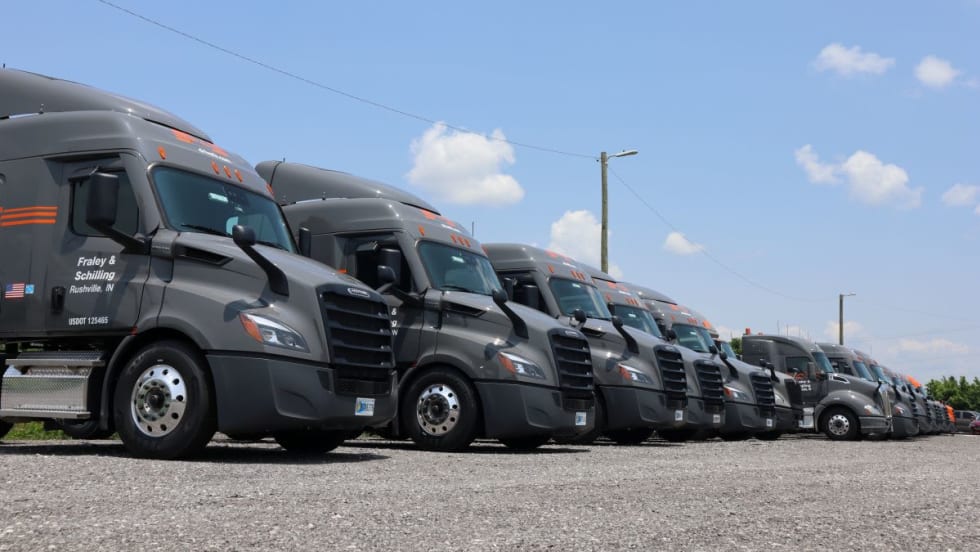
How Fraley & Schilling Improved Logbook Compliance by Over 50%
Fraley & Schilling needed a way to close a compliance workflow gap in its ELD system without adding more work from driver training, reminders, and back-office follow-ups. It found the answer in a custom driver app.
Read More →
Farewell, CDL: Why I'm Giving Up My Commercial Driver's License
After more than 20 years as a CDL holder, HDT Executive Editor Jack Roberts is letting his commercial license expire. Not because he wants to — but because trucking's nuclear verdict crisis has made the risks of public-road test drives too great for editors, manufacturers, and everyone involved.
Read More →
Enhance Fleet Performance with High-Efficiency Auxiliary Power Units
Drive sustainable cost savings while increasing driver comfort during short- and long-haul logistics operations.
Read More →
Wabash Trailers Recalled for Improperly Installed Underride Guards
More than 900 Wabash dry van trailers may not comply with the Federal Motor Vehicle Safety Standard for rear impact guards.
Read More →
Why K&B Trucking Is Embracing AI and Driver Safety Technology
Crunching data and embracing artificial intelligence are key in K&B Trucking's safety efforts, says the company's safety director.
Read More →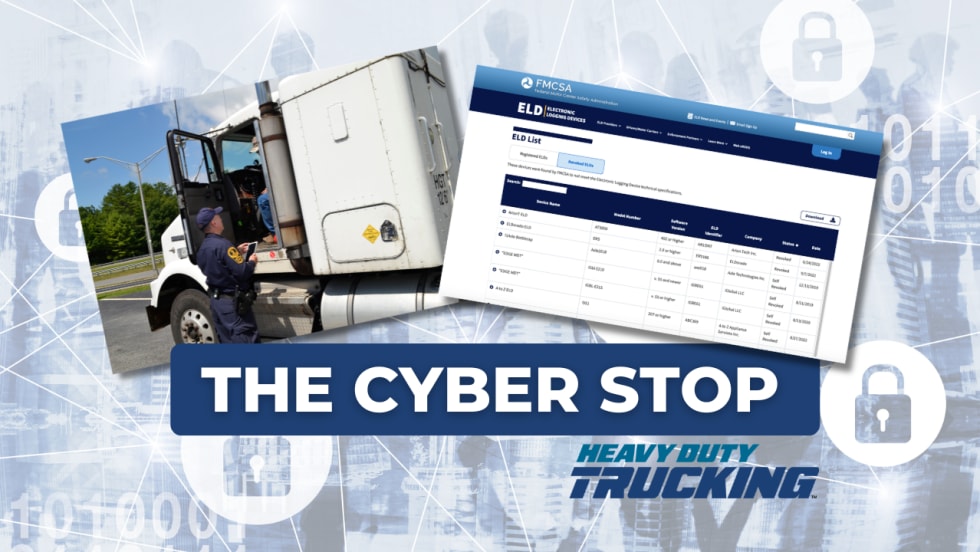
The Hidden Problem Behind FMCSA's ELD Revocations
NMFTA researchers say dozens of registered ELDs may be built on the same software platforms, allowing compliance and security concerns to persist even after individual devices are removed from the market.
Read More →
ATRI Wants Motor Carriers for Driver-Facing Camera Study
In this new study, the American Transportation Research Institute will explore how driver-facing cameras can impact safety and operational metrics in trucking fleets.
Read More →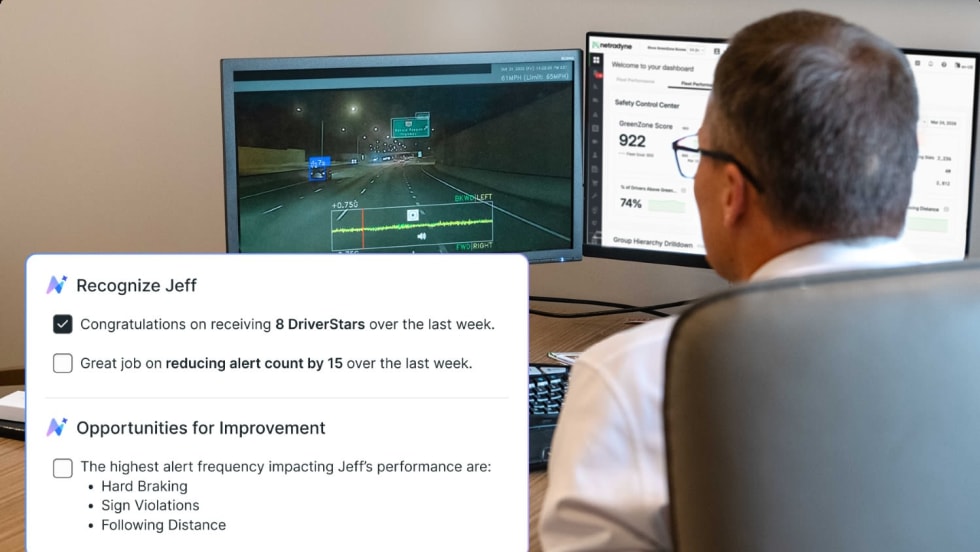
Netradyne Intelligence Uses New AI Agents to Automate Response to In-Cab Camera Data
The company called the next-generation in-cab camera safety platform "a fundamental shift from systems that report on what happened to systems that actively drive what should happen next."
Read More →Mack, Volvo Issue ‘Do Not Drive’ Recall on Possible Wheel-Offs
Owners will be sent advance notice not to operate their affected vehicles until the remedy is performed.
Read More →