




Aurora Heads into 2026 with Big Plans on Tap
Aurora said it has now surpassed 100,000 driverless miles on public roads and validated a second commercial lane for driverless operations.


Aurora said it plans to deploy hundreds of self-driving trucks beginning next year.
Photo: Aurora
Aurora Innovation has announced the rapid expansion of its commercial operations. The company has launched a second driverless route from Fort Worth to El Paso.
This news comes as the company surpasses 100,000 driverless miles on public roads.
Six Months from Launch
Aurora also said it plans to deploy hundreds of driverless trucks with its next-generation Aurora Driver hardware in 2026. This will enable the company to define a clear pathway toward autonomous operations and enable it to meet anticipated strong customer demand.
“Six months out from launch, we’re achieving more industry-firsts, expanding quickly, and paving the way to deploy hundreds of trucks next year,” said Chris Urmson, co-founder and CEO at Aurora. “Expanding to El Paso, notching over 100,000 driverless miles, and integrating our new hardware with multiple truck platforms extends our strong lead.”
The launch of the 600-mile lane from Fort Worth to El Paso comes just six months after the company’s inaugural Dallas to Houston route.
According to Aurora, this development marks the fastest scaling to a second market in the U.S. self-driving industry.
Aurora said staffing challenges and the difficulty of completing the 10-hour haul in a single day make the route daunting for carriers. This reality underscores the Aurora Driver’s value in providing reliable, around-the-clock operations, according to a press release.
Customers on the El Paso route include Hirschbach Motor Lines, an early adopter of the Aurora Driver, Russell Transport and others.
The expansion coincides with the Aurora Driver surpassing 100,000 driverless miles on public roads.
With five driverless trucks now regularly delivering customer freight, Aurora continues to maintain its perfect driverless on-time and safety record.
Ready for Deployment in 2026
Aurora also unveiled next-generation hardware, which is designed to reduce overall cost by half while boosting performance and durability, it said.
According to Aurora, its key features include:
Increased Reliability: Built to last for over a million miles.
Extended Sensing Range: New generation of FirstLight Lidar detects objects 1,000 meters away—twice the distance of the current generation.
All-Weather Operation: Enhanced sensor cleaning allows the Aurora Driver to operate reliably in harsher weather conditions.
The new hardware is manufactured by Fabrinet and precedes the highly scalable hardware being jointly developed with AUMOVIO (formerly Continental), which is slated for production in 2027 and is expected to enable the deployment of tens of thousands of trucks.
Simultaneous Platform Integration
The Aurora Driver’s common core architecture allows for seamless integration across multiple truck platforms.
The new hardware is being integrated with the Volvo VNL Autonomous, where lineside integration is taking place at Volvo’s New River Valley manufacturing facility.
Additionally, a new fleet of International LT Series Class 8 vehicles is being completed at Aurora’s Pittsburgh hardware facilities.
“The integration of Aurora’s next-generation hardware with the Volvo VNL Autonomous on the pilot line at our New River Valley facility marks an industry-first partnership and highlights the meaningful progress we are making together,” said Nils Jaeger, president of Volvo Autonomous Solutions. “By manufacturing trucks purpose-built for autonomy, we’re moving beyond prototypes and creating scalable solutions that are ready to meet the demands of a modern supply chain.”
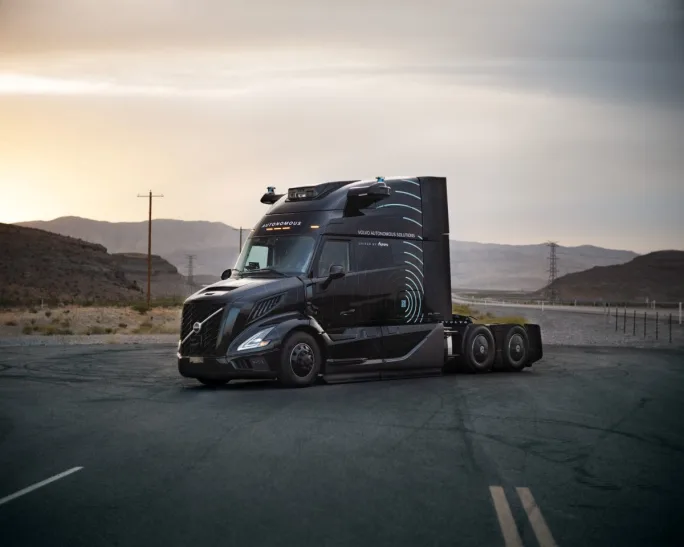
Aurora Driver is being integrated into the new Volvo VNL Autonomous truck in the OEM's New River Valley manufacturing facility.
Photo: Aurora
Paccar also continues to test its autonomy-enabled truck platform at its facilities. Aurora then plans to integrate the platform with the highly scalable hardware being co-developed with AUMOVIO.
Expanding Customer Capacity
The addition of the International LT Series vehicles is key to providing customers with greater driverless capacity in 2026 Aurora said.
The company has successfully begun testing the new fleet at its closed test track. Upon completion of a closed safety case for these trucks, Aurora plans to haul freight without a partner-requested observer in Q2 2026 and already has customer interest for this capacity.
“As an early adopter, we embrace the opportunity to help define the future of freight technology,” said Richard Stocking, president & CEO of Hirschbach Motor Lines. “Integrating an additional fleet strengthens our driverless capacity — a vital advancement in ensuring we meet customer demand and deliver operational excellence.”
More Equipment
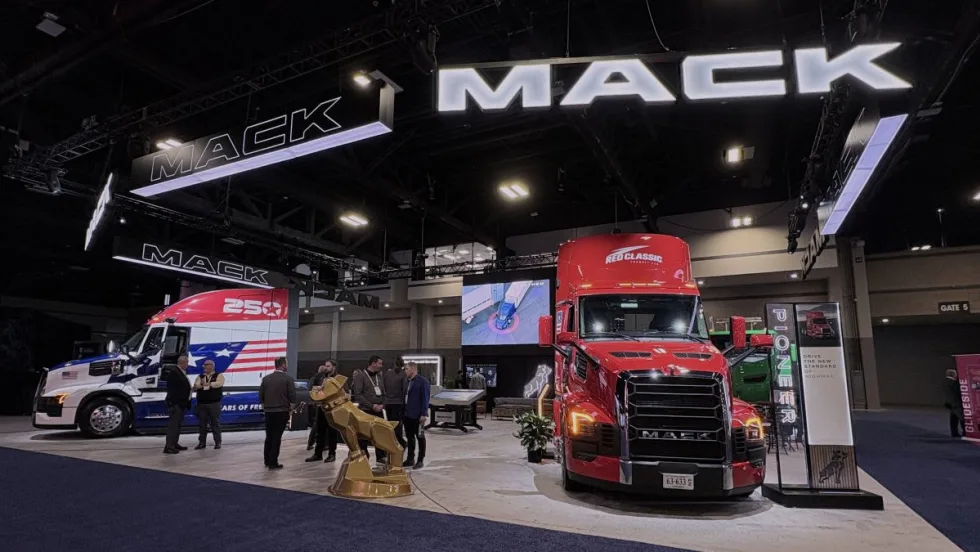
Trucks at ATA's 2026 MC&E in Charlotte, North Carolina [Photos]
From rigs decked out in patriotic America's 250 paint schemes to autonomous trucks and more, check out these photos from ATA's 2026 Management Conference & Exhibition.
Read More →
Help HDT Find Trucking’s Top Products
Have you come across a new product that could make a difference for trucking fleets? Nominate it for HDT’s 2027 Top 20 Products Awards by November 9.
Read More →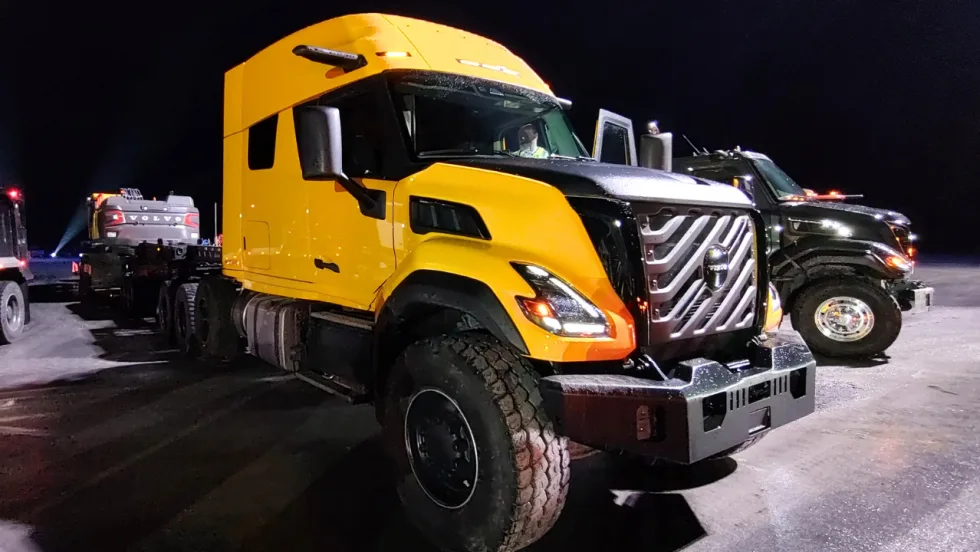
Volvo Unveils New VNX Heavy-Haul and Vocational Truck
Volvo Trucks has launched the VNX, a new vocational truck also available as a tractor in day cab and two sleeper configurations, with one heavy-haul model. The Volvo VNX is powered by Volvo's D13 platform, which delivers up to 540 horsepower and 1,950 pound-feet of torque and is EPA 2027-compliant.
Read More →
How GP Transco Cuts Trucking Fuel Costs, a Tenth of a Gallon at a Time
What’s another tenth of a mile per gallon worth? GP Transco shares how equipment upgrades and driver coaching turn small gains into meaningful fuel savings.
Read More →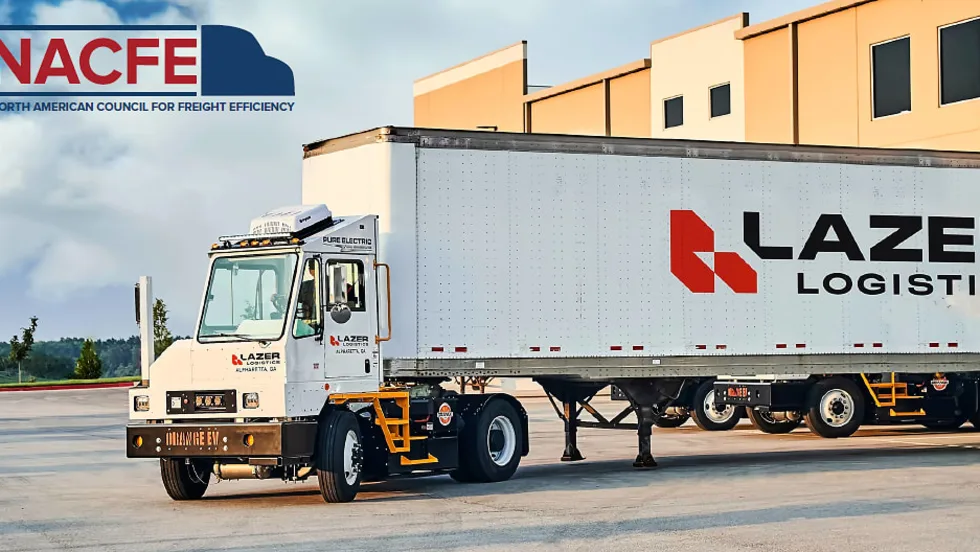
Electric Yard Tractors Move Beyond Pilots
Operating-cost savings have overtaken sustainability goals as the leading reason surveyed fleets are adopting battery-electric terminal tractors, according to new NACFE research.
Read More →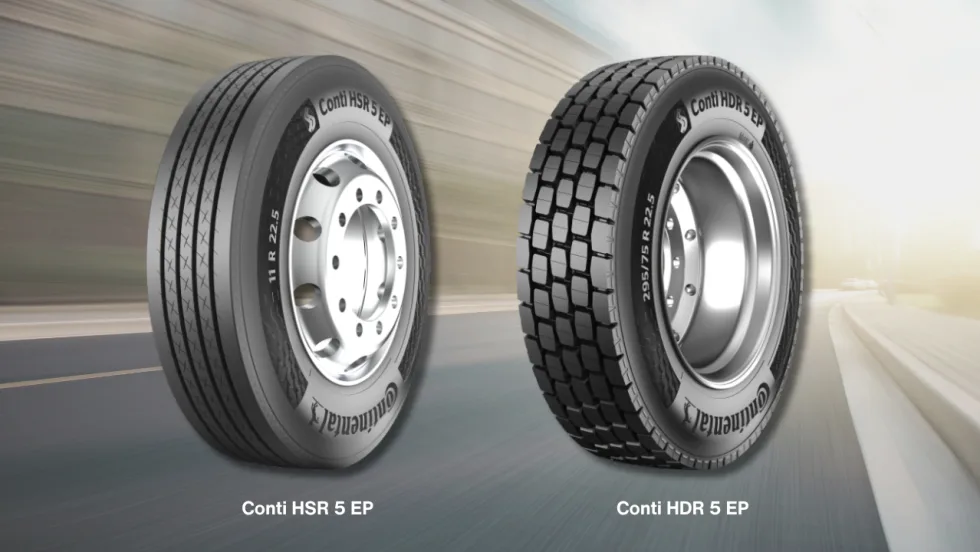
Continental Introduces New Regional Truck Tires
Continental says its new Generation 5 steer and drive tires for regional operations offer longer tread life, with estimated mileage gains of 22% and 19%, respectively.
Read More →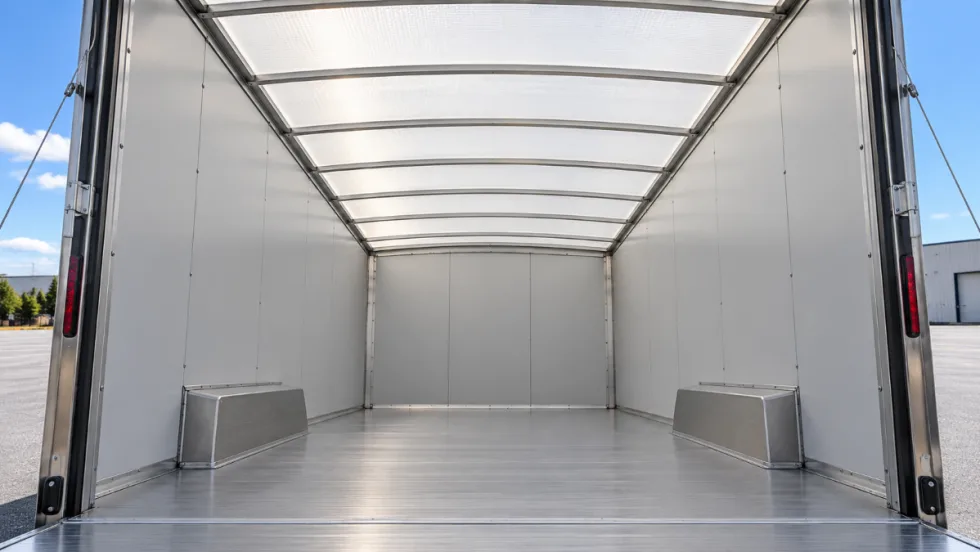
Tekmodo Introduces CargoBright Brand for Translucent Trailer Roofs
CargoBright is designed to diffuse daylight across the cargo area while performing as a working vehicle roof.
Read More →
Fleet Economics Shape Electric Truck Outlook
ACT Research expects costs, charging infrastructure, and technology improvements to drive zero-emission commercial vehicle adoption as federal regulations and incentives retreat.
Read More →
Kodiak Targets Dallas–Houston for Driverless Trucks
The company says its autonomous trucks are completing the I-45 run without a safety observer taking control. It plans to remove the observer by the end of 2026.
Read More →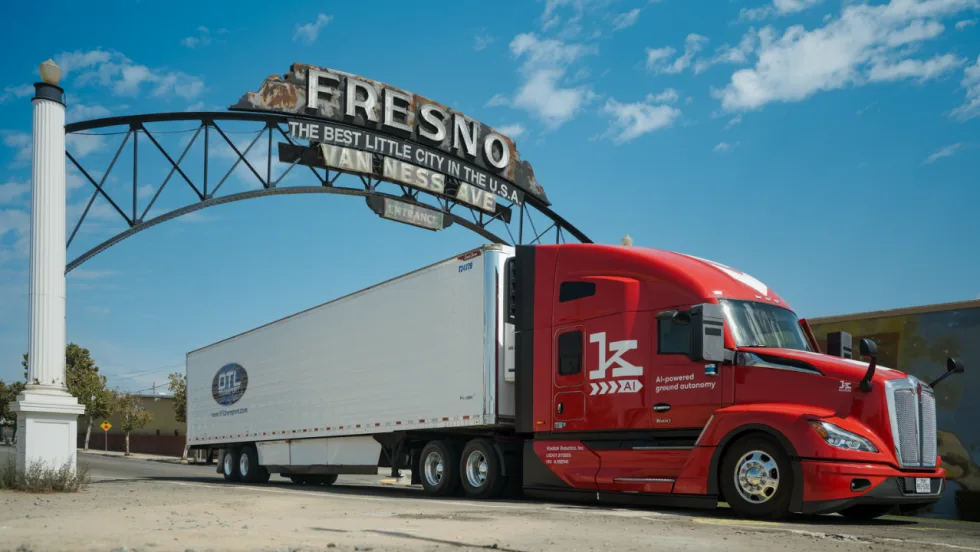
Kodiak Hauls Produce in California Autonomous Truck Pilot
Kodiak AI and DTL Transport have begun hauling produce between Fresno and Los Angeles under California’s new rules for testing heavy-duty autonomous trucks. A safety driver remains behind the wheel.
Read More →