




Autocar Upgrades ADAS for Refuse Truck Safety
Autocar's new ADAM (Advanced Driver Assist Module) is the latest in what the company says is the first fully OEM-integrated advanced driver assistance system engineered for the refuse and recycling industry.

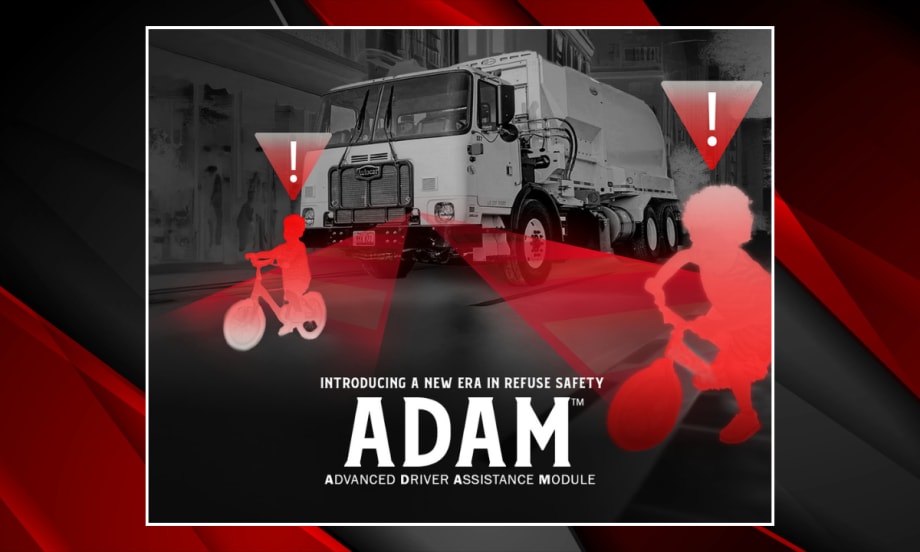
Autocar says its ADAM advanced safety technology is designed specifically for refuse trucks.
Image: Autocar/HDT
Autocar's new ADAM (Advanced Driver Assist Module) is the latest in what the company says is the first fully OEM-integrated advanced driver assistance system engineered for the refuse and recycling industry.
Refuse operations can be hazardous to both operators and pedestrians, especially given a working environment that includes crowded urban streets, blind intersections, and busy residential areas, Autocar says.
The mission of ADAM is to automate and provide as much coverage as possible to make it safer for operators and easier for them to protect themselves and others.
In addition to Autocar’s current suite of safety features, like a distraction-free dashboard, ADAM offers the following upgraded features:
Complete OEM Integration
By directly integrating into the truck’s infrastructure, ADAM removes the need for aftermarket installations. This ensures maximum system compatibility and avoids destructive installation methods such as cutting into brake lines and splicing into electrical harnesses.
Designed to Enhance Existing Systems
ADAM is designed to work with a vehicle’s antilock braking system and pneumatic braking equipment.
Instead of bypassing these safety features, like other options in the market, ADAM uses them to more effectively avoid collisions with people and property, according to Autocar.
As a result, the truck has an autonomous braking system that will not only warn about people in the danger zone, but also will stop the truck if the operator does not — and do so faster than human reaction times.
Built Specifically for Refuse Trucks
ADAM is engineered specifically for refuse truck operations.
For example, Autocar programmed the software to calculate how long it takes a refuse truck to brake given the truck’s speed and particular weight and any relevant road conditions.
This capability allows for an even greater safety margin of error, whether the truck is moving forwards or in reverse, and better protects both workers and the community.
Key Features of Autocar's ADAS for Refuse Trucks:
Autonomous Reverse Braking: Automatically brakes the truck while in reverse if the sensors detect something — or someone — in the way.
Forward Collision Warning and Automatic Braking: Detects hazards and applies brakes automatically, optimized for stop-and-go operation.
360° Pedestrian and Cyclist Detection: Identifies vulnerable road users, warning operators instantly and applying the brakes if a collision is imminent.
Enhanced Blind Spot Detection: Monitors surroundings with four side radar sensors, providing real-time alerts.
Roadway Departure: Alerts the operator that the vehicle is leaving the road and slows the truck to a halt if the operator does not take action.
Traffic Sign Recognition: Identifies and visually communicates sign information to operator in real time.
All information is transmitted visually to the operator via Autocar’s distraction-free dashboard that allows the operator to stay aware without sacrificing focus.
“Our customers don’t have the luxury of working in predictable environments," said Andrew Taitz, chairman of GVW Group, LLC, the holding company of Autocar. "They’re operating on busy streets, chaotic job sites, and extreme conditions that demand more than a one-size-fits-all safety system.
“Severe-duty industries should not have to compromise on safety. That’s why we developed ADAM. It’s not just another ADAS — it’s a purpose-built, severe-duty safety solution that protects our operators and the communities they serve.”
More Safety & Compliance

$604 Million Verdict Tests Broker Liability After Supreme Court Ruling
C.H. Robinson plans to appeal after a Texas jury found it bore the largest share of responsibility for a fatal 2021 crash, in a case that follows the Supreme Court's Montgomery decision allowing negligent hiring claims against freight brokers.
Read More →
How Fraley & Schilling Improved Logbook Compliance by Over 50%
Fraley & Schilling needed a way to close a compliance workflow gap in its ELD system without adding more work from driver training, reminders, and back-office follow-ups. It found the answer in a custom driver app.
Read More →
Farewell, CDL: Why I'm Giving Up My Commercial Driver's License
After more than 20 years as a CDL holder, HDT Executive Editor Jack Roberts is letting his commercial license expire. Not because he wants to — but because trucking's nuclear verdict crisis has made the risks of public-road test drives too great for editors, manufacturers, and everyone involved.
Read More →
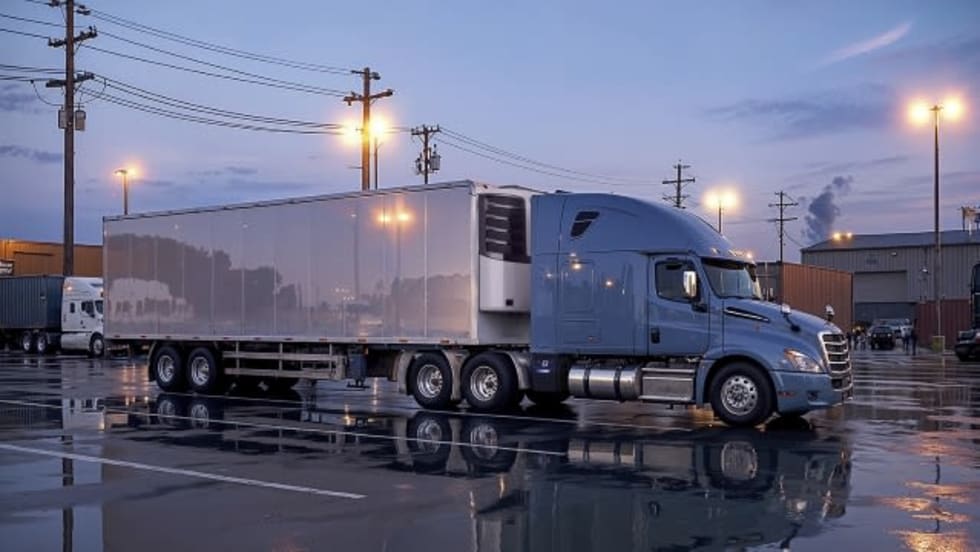
Enhance Fleet Performance with High-Efficiency Auxiliary Power Units
Drive sustainable cost savings while increasing driver comfort during short- and long-haul logistics operations.
Read More →
Wabash Trailers Recalled for Improperly Installed Underride Guards
More than 900 Wabash dry van trailers may not comply with the Federal Motor Vehicle Safety Standard for rear impact guards.
Read More →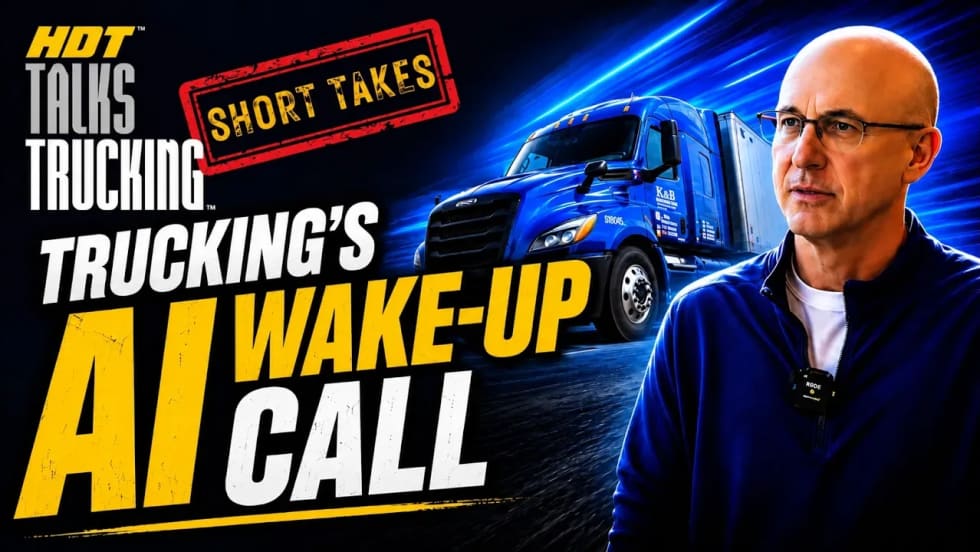
Why K&B Trucking Is Embracing AI and Driver Safety Technology
Crunching data and embracing artificial intelligence are key in K&B Trucking's safety efforts, says the company's safety director.
Read More →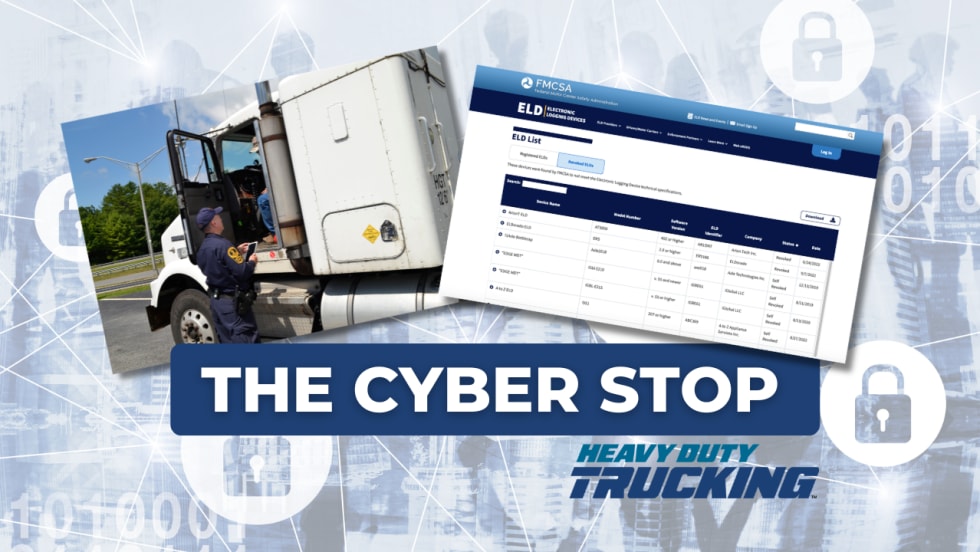
The Hidden Problem Behind FMCSA's ELD Revocations
NMFTA researchers say dozens of registered ELDs may be built on the same software platforms, allowing compliance and security concerns to persist even after individual devices are removed from the market.
Read More →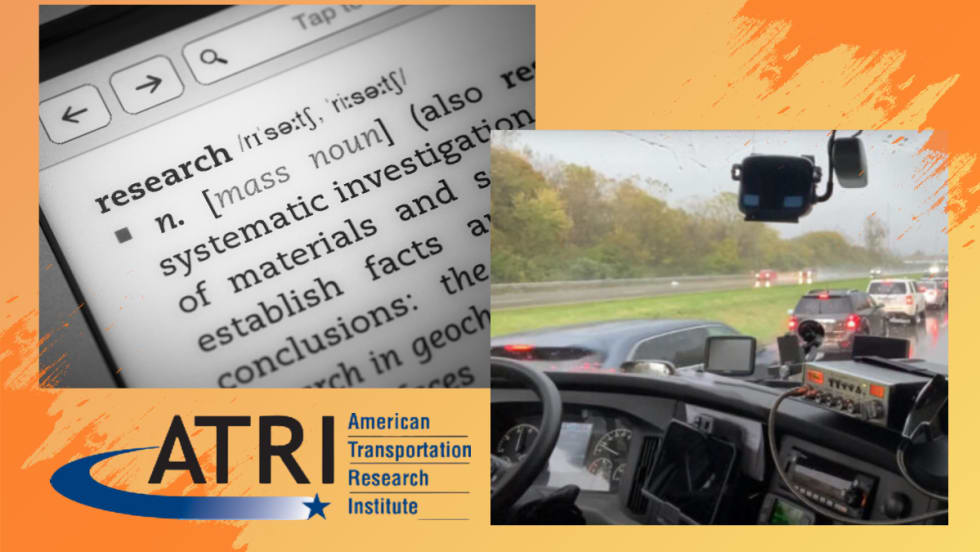
ATRI Wants Motor Carriers for Driver-Facing Camera Study
In this new study, the American Transportation Research Institute will explore how driver-facing cameras can impact safety and operational metrics in trucking fleets.
Read More →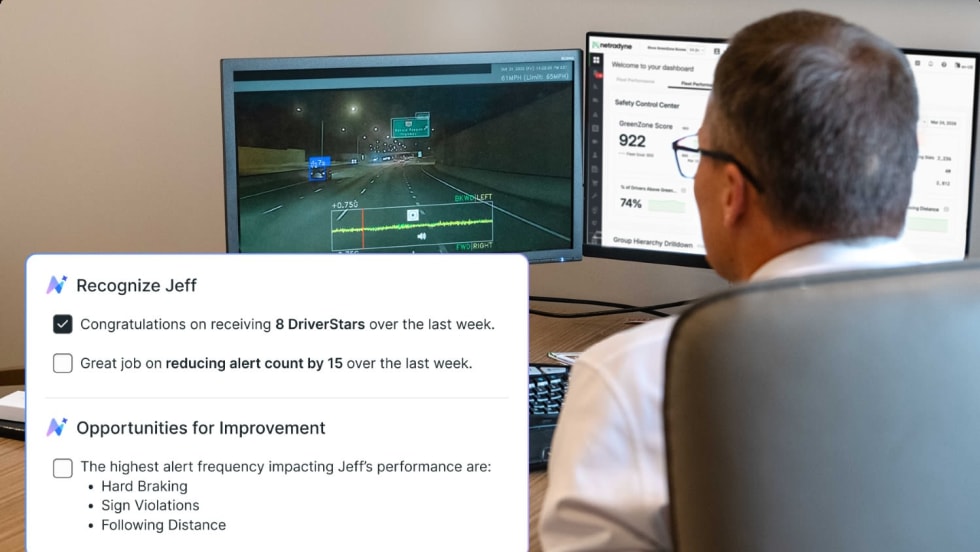
Netradyne Intelligence Uses New AI Agents to Automate Response to In-Cab Camera Data
The company called the next-generation in-cab camera safety platform "a fundamental shift from systems that report on what happened to systems that actively drive what should happen next."
Read More →Mack, Volvo Issue ‘Do Not Drive’ Recall on Possible Wheel-Offs
Owners will be sent advance notice not to operate their affected vehicles until the remedy is performed.
Read More →