




What Will CVSA's Brake Safety Week Focus on for 2024?
The Commercial Vehicle Safety Alliance announced it will hold its 2024 Brake Safety Week August 25-31.

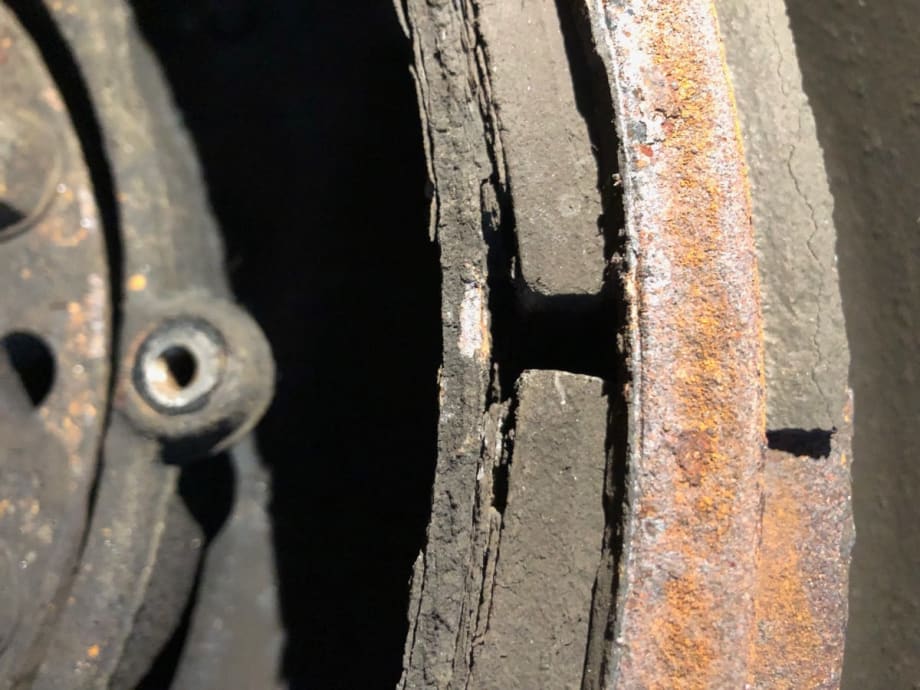
A type of corrosion called rust-jacking means even with half an inch of lining left, this school bus brake won't pass inspection.
Photo: Darry Stuart
The Commercial Vehicle Safety Alliance will hold the 2024 Brake Safety Week event August 25-31. For this year’s Brake Safety Week, inspectors will give extra attention to the condition of brake linings and pads.
Brake Safety Week is an annual commercial motor vehicle and driver inspection and regulatory compliance enforcement initiative. CVSA uses the event to raise brake-safety awareness, as an outreach opportunity, and a brake-related inspection and violation data-collection project.
In 2023, 12.6% of the commercial motor vehicles inspected during Brake Safety Week were put out of service for brake-related violations.
Truck Brake Inspection and Enforcement
CVSA-certified inspectors will conduct routine commercial motor vehicle inspections throughout the week, focusing on brake systems and components. For this year’s Brake Safety Week, inspectors will focus on the condition of brake linings and pads. Brake lining and pad issues may result in vehicle violations and could affect a motor carrier’s safety rating.
In addition, some jurisdictions have performance-based brake testers and will be using them during Brake Safety Week. A PBBT is a machine that assesses the braking performance of a vehicle.
Awareness and Outreach
Educational efforts by inspectors, motor carriers and others in the industry take place during Brake Safety Week and are integral to the success of the campaign.
In addition to educational outreach by law enforcement agencies, transportation safety organizations and individual officers, CVSA also aims to help prepare drivers, motor carriers, owner-operators and mechanics for this year’s Brake Safety Week by:
Viewing the inspector’s inspection procedure.
Downloading a checklist that outlines the tools needed to inspect S-cam brakes, what to look for and how to measure pushrod stroke.
Learning about the components of the vehicle that the inspector will check.
Downloading a flyer with 10 brake lining and pad tips.
Brake Safety Week also serves as a reminder to drivers and motor carriers of the importance of a proactive vehicle maintenance program and provides an opportunity for law enforcement to highlight the importance of brake safety.
Throughout Brake Safety Week, inspectors will also capture data about brake inspections and violations and report that data directly to CVSA. In addition to general inspection and violation data, CVSA will also be collecting data about brake linings/pads, the focus area for this year’s Operation Safe Driver Week. PBBT jurisdictions will also submit PBBT-specific data. CVSA will collect and analyze all data submissions and report the results publicly later this year.
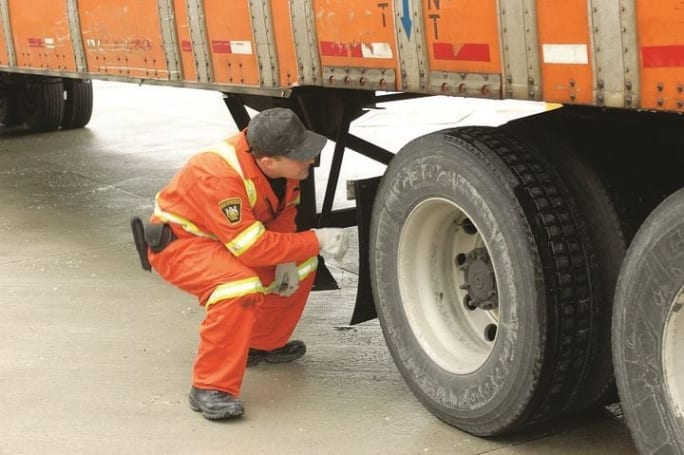
CVSA said it will use this year's Brake Check Week to raise brake-safety awareness, as an outreach opportunity and collect brake-related inspection and violation data.
Photo: Jim Park
Why Conduct Brake Safety Week?
Brake-related violations comprise the largest percentage of all out-of-service vehicle violations cited during roadside inspections, CVSA noted.
According to the Federal Motor Carrier Safety Administration’s 2023 vehicle violation data, six out of the top 20 vehicle violations were brake related. And last year’s CVSA International Roadcheck results showed that brake-system violations was the top vehicle violation, comprising 25.2% of all vehicle out-of-service violations during that three-day data snapshot of roadside inspections.
Brake Safety Week aims to improve commercial motor vehicle brake safety throughout North America. The goal is to eliminate roadway crashes caused by braking systems on commercial motor vehicles by conducting roadside inspections and educating drivers, mechanics, large- and small-fleet motor carriers, owner-operators and others on the importance of proper brake inspection, maintenance and operation.
More Safety & Compliance
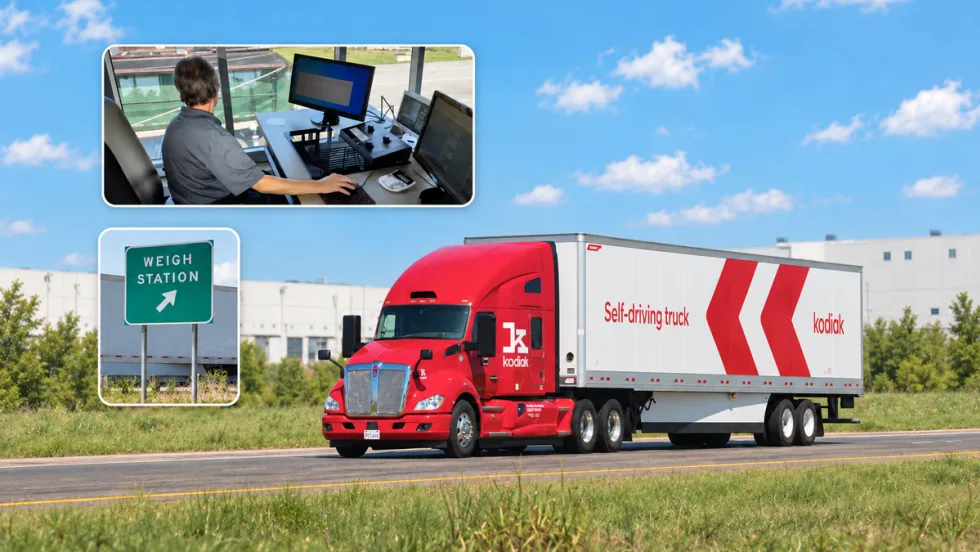
PrePass, Kodiak Connect Driverless Trucks to Roadside Enforcement
The system will allow enforcement agencies to verify Enhanced Inspection information and decide whether Kodiak’s autonomous trucks can bypass roadside screening sites.
Read More →
From One Generation to the Next: How Mentorship Builds Safer Truck Drivers
After three decades in trucking, Harold Perry shares what he's learned about driver safety, mentorship, and helping the next generation build confidence behind the wheel.
Read More →
FMCSA Pauses Biennial-Update Enforcement Amid Motus Transition
Carriers whose updates were due on or after June 1 have more time, while FMCSA works to stabilize its new registration system and warns of phishing sites impersonating its new carrier registration system, Motus.
Read More →
ZF Expands Commercial Vehicle Push in North America
ZF is expanding its North American commercial-vehicle presence with new transmission applications, electrification, trailer technology and autonomous-driving systems.
Read More →
Truck Drivers Need More Than Another Alert
Fleets have more visibility into truck health, safety events, and driver activity than ever. The next challenge is turning all that information into useful guidance for the person who has to decide what to do next.
Read More →
Tesla Wants a Self-Driving Semi. Are Cameras Enough?
Could Tesla’s camera-only autonomous driving technology work on an 80,000-pound Semi? In this commentary, HDT's Deborah Lockridge takes a look at Tesla, Cybercab, and how autonomous trucks see the road.
Read More →
What DOT’s Automated Vehicle Strategy Means for Trucking
The U.S. Department of Transportation issued a new automated-vehicle strategy that outlines plans for driverless-truck regulations, cross-state freight corridors, and federal safety standards.
Read More →
NYC Expands Speed, Pedestrian Safety Tech Across Fleet
New York City is expanding intelligent speed assistance and pedestrian-alert systems across its municipal fleet, moving the technologies from pilot programs into vehicle procurement and retrofit requirements.
Read More →
FMCSA Removes 110 Truck Driver Training Schools from Certified ELDT List
Federal regulators also are targeting more than 160 additional training providers and launching a nationwide audit of third-party CDL skills testers as part of a broader crackdown on trucking fraud.
Read More →
Beyond DOT Compliance: What Makes a Trucking Fleet Truly Safe?
A trucking fleet can follow every rule and still make unsafe decisions. The real test comes when safety conflicts with freight, productivity, or cost.
Read More →