




NYC’s $6 Million Plan to Get Trucks off the Streets
The New York City Department of Transportation has $6 million to encourage fleets and businesses to shift deliveries away from peak daytime hours.

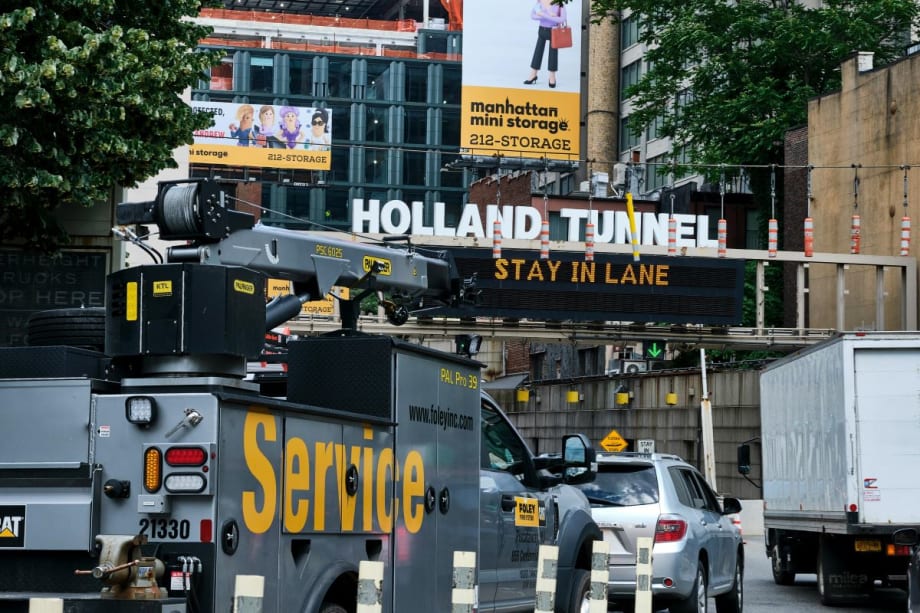
NYC DOT aims to shift 62,000 daily trucks to off-hour deliveries by 2040, making the Big Apple's streets safer and more sustainable.
Photo: Malcolm Garrett
New York City Department of Transportation (NYC DOT) Commissioner Ydanis Rodriguez announced new incentives to help reduce truck deliveries during the busiest hours of the day. Rodriguez said the move will improve traffic safety, protect the environment, and combat daytime traffic congestion and double-parking.
Under the new plan, the agency will allocate $6 million to incentivize businesses receiving deliveries overnight.
The Off-Hour Delivery Program
Dubbed NYC DOT’s Off-Hour Delivery program (OHD), its goal is to provide financial incentives for businesses to shift deliveries to off-peak hours, between 7 p.m. to 6 a.m.
According to the agency, excessive truck traffic during peak daytime hours contributes to congestion, increased carbon emissions, and greater safety risks to pedestrians, cyclists, and others when the streets are busier.
The funding, allocated through the US DOT’s Congestion Mitigation and Air Quality (CMAQ) program, is part of the agency’s larger effort to rethink how the city manages deliveries and better meet the demands of e-commerce.
“90% of everything in our city-- our food and drink, our clothing and paper towels-- comes in by truck. To decrease congestion on the roads, we have to get a handle on our deliveries,” said Deputy Mayor for Operations Meera Joshi. “While we work to route deliveries into lower-emissions vehicles, we can make immediate inroads by spreading them out across the day-- if we can encourage businesses to be open to pick them up. This program will go a long way towards helping businesses help our city, decreasing emissions, improving our air quality, and keeping our thoroughfares moving. This is a real win for New York.”
“New Yorkers are receiving more deliveries than ever before, and we are making them cleaner, safer, and more efficient,” said Commissioner Rodriguez. “This incentive program will support local businesses and benefit all New Yorkers by reducing the number of delivery trucks on our roads during busy daytime hours.”
Funding for new Fleet Tools and Strategies
The Off-Hour Deliveries incentives will fund tools and strategies to make overnight deliveries feasible for businesses.
This includes the installation of low-noise equipment for delivery vehicles (such as newer hand pallet trucks and backup alarms), building security retrofits to enable unattended deliveries, and safety equipment such as security cameras.
Participating businesses will receive one-time payments.
The incentives program specifically aims to help smaller businesses that face financial barriers to transitioning to off-hour deliveries, though the program will be open to businesses of all sizes.
NYC DOT will also encourage participants to consider sustainable last-mile delivery options, such as electric vehicles and cargo bikes. The incentive program will be managed by Arcadis, which will develop, administer, and monitor its implementation.
NY DOT said ehifting commercial deliveries to the evening and overnight hours can help reduce traffic while also cutting costs for shippers. NYC DOT made its Off-Hour Deliveries pilot program permanent in 2010 and has used it to provide technical assistance to freight receivers and shippers to help them shift deliveries to off-peak hours.
To date, the agency has enrolled 27 businesses with close to 1,120 locations receiving off-hour deliveries. As outlined within the Delivering Green plan, NYC DOT aims to reach 5,000 OHD locations by 2040, shifting an estimated 62,000 trucks away from peak hours. NYC DOT aims to achieve this goal through the $6 million incentive program announced today and an additional $5 million committed to the NYC OHD program through the Central Business District Tolling Program (CBDTP).
The OHD program includes businesses that receive large amounts of goods into the five boroughs, like Just Salad, ABI (Anheuser Busch-Inbev), Wegmans, Odeko, and Whole Foods Market.
Increasing freight efficiency with an expanded OHD program promotes sustainable business practices with multiple benefits – from the reduction of daytime roadway congestion and double parking in active bus lanes to advancing the City’s Vision Zero goals with fewer truck-pedestrian conflicts.
Business Outreach and Delivery Management
This spring, NYC DOT will host two information sessions with businesses to help tailor the incentives program to businesses’ needs.

The goal of the Off-Hour Delivery program is to shift fleet deliveries in New York City to nighttime hours between 7 p.m. and 6 a.m.
Photo: Owen Barker
Webinars will be held virtually on June 3 and June 10. Interested businesses can fill out the form on our Get Started page.
The Off-Hour Deliveries incentive program is part of NYC DOT’s efforts to reimagine freight delivery in New York City, restructure freight distribution, and create a sustainable last-mile delivery system for getting goods where they need to go safely and efficiently. Earlier this month, NYC DOT launched LockerNYC to combat package theft and reduce the negative environmental and safety impacts of truck deliveries. In March, the agency authorized the use of e-cargo bikes on city streets to make deliveries safer and more sustainable.
The agency is also working to install delivery “microhubs,” where trucks can safely offload to smaller, greener delivery modes like cargo bikes, handcarts, and electric vans.
Additionally, through the Blue Highways program in coordination with EDC, the city is working to reactivate marine infrastructure helping to shift deliveries from larger trucks to city waterways.
“Embracing off-peak deliveries isn't just about business – it's about prioritizing safety, sustainability, and efficiency for all New Yorkers,” said Manhattan Borough President Mark Levine. “I encourage Manhattan businesses to lead the way by enrolling in this opportunity to decrease congestion, emissions, and collisions,” “The Off-Hour Deliveries program will help reimagine freight delivery across the city.”
“Off-Hour Delivery incentives should help to reduce traffic at peak hours by incentivizing receivers to demand their freight when competition for street space lowers,” added Zach Miller, director of Metro Region Operations at the Trucking Association of New York. “Parking will be easier, the need to idle will be reduced, delivery costs will be reduced, and truck utilization will improve,” “In addition, professional truck drivers, who operate under federal hours-of-service regulations, should have a smoother work schedule. It’s a win-win program. An example of the kind of support the trucking industry needs to improve efficiency while still ensuring New Yorkers get their goods.”
More Fleet Management

Why Private Fleets Are Taking More Freight
Private fleets are putting their own trucks on demanding customers and high-cost lanes as companies seek greater control over service, costs, and capacity.
Read More →
Color Match Smarter: Tools That Restore & Perform
For fleet managers and collision repair professionals keeping heavy-duty trucks on the road, getting the color right the first time isn't just about appearance — it's about efficiency, turnaround time, and bottom-line results. Discover how today's digital color tools are transforming the repair process from guesswork to precision.
Read More →
FMCSA Pauses Biennial-Update Enforcement Amid Motus Transition
Carriers whose updates were due on or after June 1 have more time, while FMCSA works to stabilize its new registration system and warns of phishing sites impersonating its new carrier registration system, Motus.
Read More →


2026 Blueprint for Countering Smarter Supply Chain Theft
Cargo theft is no longer just the cost of doing business. It's a multi-billion-dollar criminal enterprise exploiting vulnerabilities across your fleet, drivers, and supply chain.
Read More →
How Telematics Improves Visibility, Control, and Performance in Refrigerated Fleets
Explore how telematics help refrigerated fleets improve visibility, uptime, efficiency, compliance, and cargo protection across connected cold chain operations.
Read More →
What the U.S.-Canada Trade War Means for Trucking
Escalating U.S.-Canada tariffs could disrupt cross-border freight, reduce truck volumes, raise costs, and create new uncertainty for carriers on both sides of the border.
Read More →
What Are Trucking’s Top Concerns for 2026?
The American Transportation Research Institute wants to know what's worrying trucking fleet managers, drivers, and other stakeholders in its annual Industry Issues survey.
Read More →
American Trucking Associations Looks for a New Leader
ATA President and CEO Chris Spear abruptly left his job at the association on August 21, at a pivotal time for the trucking industry.
Read More →
Public Wi-Fi Cybersecurity Risks: How Truck Drivers and Fleets Can Protect Their Data
Public Wi-Fi can expose truck drivers and fleets to credential theft, malware, and other cyber threats. Here’s how to reduce the risk on the road.
Read More →
For Nicky Cupp, Fleet Innovation Starts With Frustration
HDT Truck Fleet Innovator Nicky Cupp turns everyday pain points at Fraley & Schilling into opportunities for better technology and smarter processes.
Read More →