



How Can Trucking Fleets Keep the Best Drivers?
Why Do Truck Drivers Leave — Really?
Invest in Truck Drivers’ Lives to Improve Retention
Listen — and Respond — for Better Driver Satisfaction
 MENU
MENU SEARCH
Truck drivers have incredibly tough jobs. So, when they tell you there's a problem, you need to pay attention.
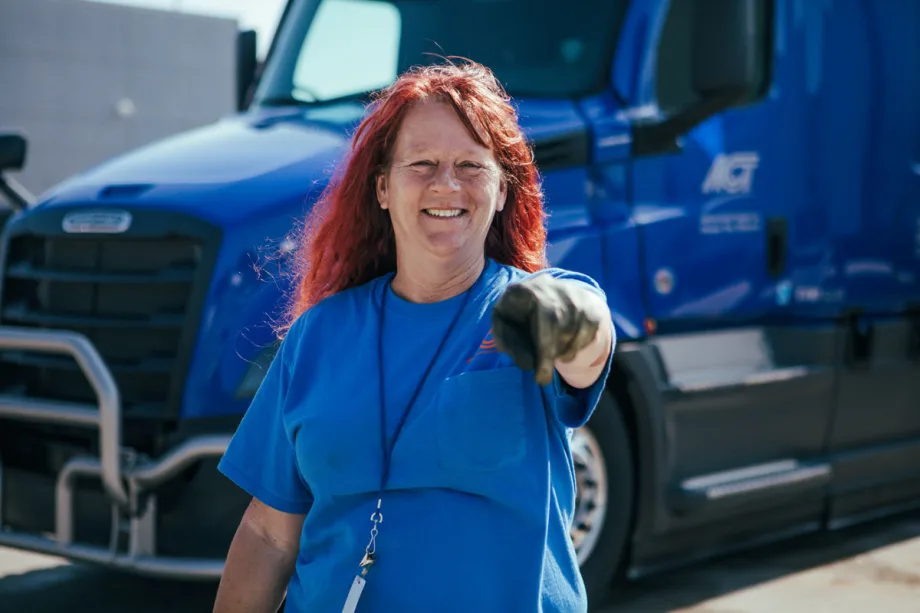
Want to keep good drivers? Make it easier for them to do their jobs, experts say.
Photo: ACT
Often, reasons for leaving that truck drivers identify as not enough pay may have more to do with disruptions and uncertainty and confusion that affect pay, rather than the pay package itself.
So it makes to ask how things look from their point of view on the operational side of your business. What is that experience like for drivers? Are they facing headaches such as long wait times at shippers and receivers or too much downtime for maintenance that end up affecting their paycheck?
A company may have a very high advertised rate per mile, explains Mark Murrell, co-founder and president of CarriersEdge, which administrates the Best Fleets to Drive For program.
“But if they've got all of these operational disruptions, and the drivers can’t do the job that they actually want to do, it gets frustrating after a while, he says. "The Best Fleets that are doing really well in those areas are removing those roadblocks and basically smoothing the path for drivers to just do the job that they want to do.”
But you won’t know what the problems are if you don’t take a proactive approach to listening to your drivers — and having true conversations with them about their concerns.
American Central Transport listens to its drivers a lot, says Phil Wilt, ACT president and CEO.
The company for several years has been using WorkHound, a communications survey tool that lets them communicate with drivers weekly. They send out a text blast to drivers and provide a link drivers can use to score their experience on a scale of 1 to 10. They can also leave anonymous comments.
“Our goal is that if you’re frustrated or even happy, we’d like to know those things, so we know what to do more of, what to do less of, or at least to address the problems,” Wilt says.
Of course, not every problem can be fixed. But ACT at least listens to the drivers and explains those things that cannot be changed, and why. Just knowing their concerns are heard can make a difference.
The most common thing ACT hears from its drivers is frustration with a customer. For instance, the load wasn’t ready or there were shortcomings at facilities. About 95% of its business is as a contract carrier, which means drivers are in the same place over and over, something that Wilt says probably helps with retention.
Second, drivers report concerns about getting miles. That provides an opportunity to talk about it and discuss how freight has fluctuations that are supply and demand based.
ACT also gets suggestions. A recent one from a driver asked if badges or decals could be provided that show years of service.
Rounding out the top communication received from drivers is praise.
“We get a lot of praise, ‘Best company I have ever worked for,’ or Wish I had come here before’,” says Wilt.
About seven months ago, ACT started using an outside service to check with drivers, by call or text, for the first six months. Wilt says that helps new drivers get over the hump and adjust to the industry and lifestyle.
The company also has live Zoom meetings once a month with drivers.
“We have planned things we want to share and be transparent about what is going on in the freight market, what’s going on with customers, things that they need to know, upcoming events here at the organization,” Wilt says.
But it also is a platform where drivers can ask questions.
The call is recorded and goes out to drivers through an app, so if someone is driving and can’t make the call, they can still have access to what was discussed.
Custom driver apps are another tool many fleets are using for communications and to help make drivers’ jobs easier.
Prime Inc. uses what Director of Operations Jim Guthrie calls a really strong phone app and the latest and greatest in-cab communication technology. With that app, a driver can pretty much do anything they need to over a smartphone, he explains, from communicating with their fleet manager, to scanning paperwork, and everything in between.
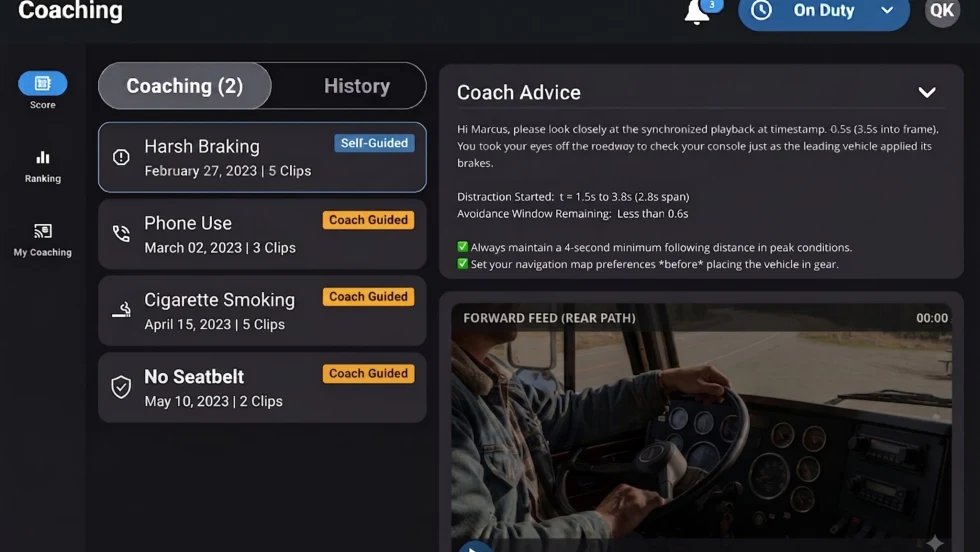
Four additions to PS Fleet help fleets monitor loads, manage driver coaching, share truck locations and adjust video system settings.
Read More →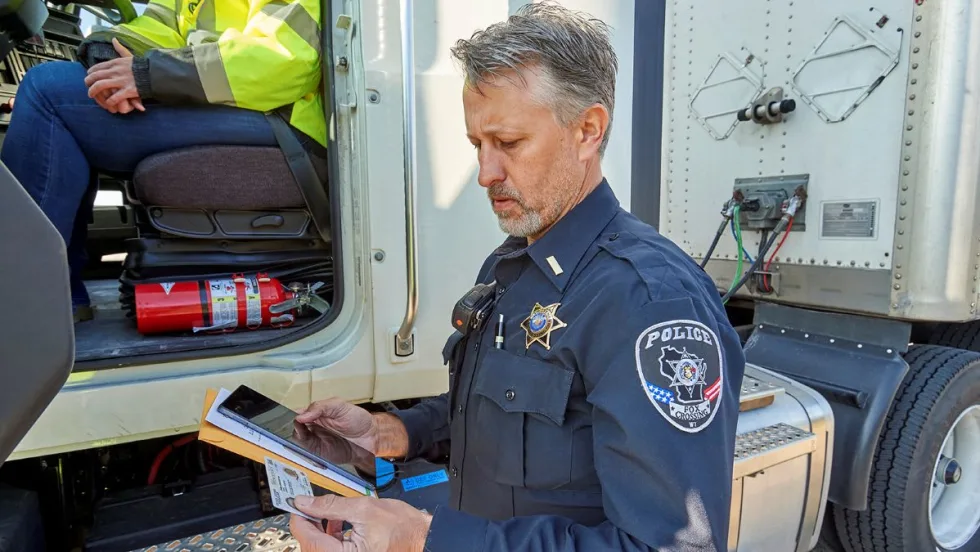
English language proficiency rules for commercial drivers aren’t new, but renewed out-of-service enforcement has raised the stakes. Here’s what carriers need to know before a driver reaches a roadside inspection.
Read More →
Agent Studio lets fleets create AI tools for hours-of-service monitoring, reporting and driver support, including agents that communicate by phone.
Read More →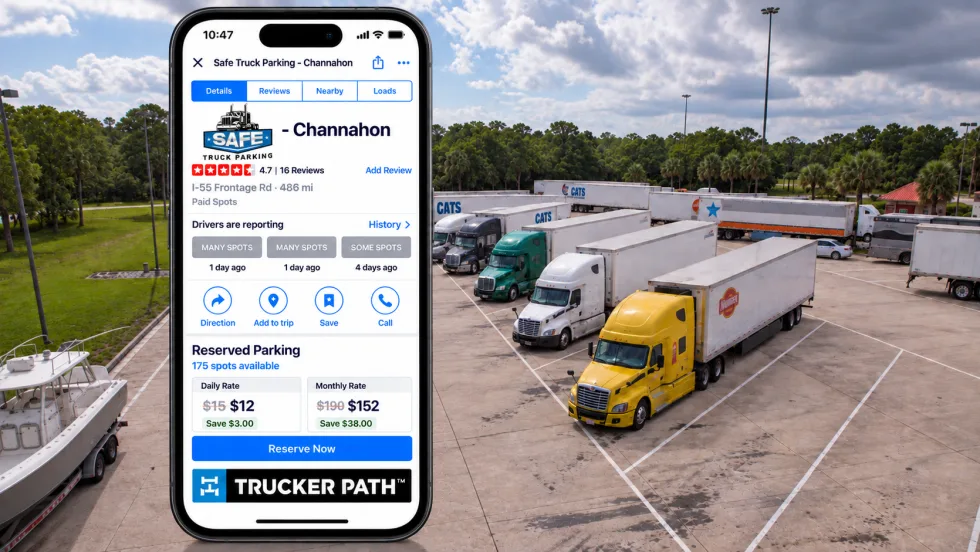
Trucker Path has added close to 6,000 more truck parking spaces to its Trucker Path Reserved Parking Network with the addition of Safe Truck Parking.
Read More →
The agency says Trancasa USA rejected applicants over 65 and applied tougher driving-record standards to those over 60.
Read More →
This year has seen a swath of major truck driver pay increases as freight capacity has tightened.
Read More →
After three decades in trucking, Harold Perry shares what he's learned about driver safety, mentorship, and helping the next generation build confidence behind the wheel.
Read More →
Fleets have more visibility into truck health, safety events, and driver activity than ever. The next challenge is turning all that information into useful guidance for the person who has to decide what to do next.
Read More →
Federal regulators also are targeting more than 160 additional training providers and launching a nationwide audit of third-party CDL skills testers as part of a broader crackdown on trucking fraud.
Read More →
Two pilot programs could eventually reshape hours-of-service rules, giving truck drivers options to pause their 14-hour clock or use longer split sleeper rest periods.
Read More →