





Read more: FMCSA, DOT Agencies Talk Automatic Emergency Braking
FMCSA Deputy Administrator Leaves Agency for Private Sector
FMCSA Deputy Administrator Earl Adams Jr. has left the agency less than a year after being sworn in, going back to the private sector in transportation law with a focus on regulatory issues and new technologies.
January 8, 2024
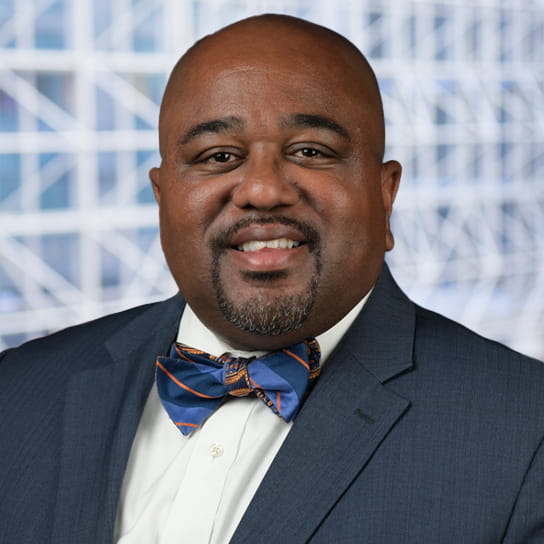
Earl Adams Jr. has left his post as FMCSA deputy administrator and joined a law firm.
Photo: Hogan Lovells
3 min to read
Earl Adams Jr., sworn in as deputy administrator of the Federal Motor Carrier Safety Administration less than a year ago, has left the agency.
He has joined global law firm Hogan Lovells in its transportation practice as a partner based in Washington, D.C., returning to the firm that he joined as an associate in 2002, where among other things he will advise on regulatory issues related to autonomous vehicles and other new transportation technology.
“Earl led the FMCSA’s work on developing and issuing the agency’s first regulations on the operation of autonomous vehicles, a top priority for our transportation and automotive clients,” said Janice Hogan, practice group leader for the firm’s Global Regulatory & Intellectual Property, Media, and Technology group.
Adams, who served as both deputy administrator and chief counsel for the FMCSA, will advise on compliance and enforcement matters for various transportation clients at Hogan Lovells, including surface transportation, intermodal, electric vehicle, autonomous vehicle, air travel, and infrastructure providers.
‘Rapid Technological Advancement’
“The firm provides an ideal platform to expand my practice in a time of rapid technological advancement, particularly for AVs and related areas, as well as increased global investment,” Adams said.
Not long after he was sworn in as deputy administrator, Adams spoke during a panel discussion on insurance and autonomous trucks at the Technology & Maintenance Council’s annual meeting.
Referring to FMCSA’s regulatory notice requesting more information on how it should regulate these vehicles, Adams pointed out there are a lot of uncertainties as the industry moves forward with highly automated trucks, from regulations, to public acceptance, to liability.
“I don’t have answers, but I do have questions, things I know we have to ask ourselves,” Adams said.
‘The Work is Not Done’
Announcing his departure from FMCSA on LinkedIn, Adams called his time at the agency and the Department of transportation “a true highlight of my professional career.”
“I am proud of the work we did to focus on the root causes of crashes, increase the impact of FMCSA's grant dollars, promote transparency in the sector, and leverage technology to improve safety outcomes,” he said.
“The work is not done but I know that the amazing team at FMCSA and USDOT are up to the charge.”
Adams’ departure is the latest change in leadership at FMCSA.
In late 2021, deputy administrator Meera Joshi, who was acting administrator and had been nominated to head the agency, announced she was leaving the administration to accept a position as a deputy mayor of New York City.
Current FMCSA Administrator Robin Hutcheson was confirmed by the Senate in the fall of 2022 after serving as interim administrator after Joshi’s departure.
Last September, Jack Van Steenburg, a 15-year agency veteran of FMCSA, retired, and the agency promoted Sue Lawless to assistant administrator, executive director and chief safety officer.
More on Earl Adams Jr.
In addition to his leadership roles at the DOT, Adams served as a member of the board of directors of the Metropolitan Washington Airports Authority and was the agency’s representative on several Interagency Policy Committees created by President Biden’s Domestic Policy Council, advising on issues involving innovation and technology.
Prior to Adams’ most recent public sector tenure, he also served as Office Managing Partner at a Washington, D.C. firm, where he advised transportation, infrastructure, and renewable energy clients on regulatory and compliance matters.
Adams earned his J.D. from Boston College Law School, as well as a master’s degree in public administration from the Harvard Kennedy School and bachelor’s degree from Morehouse College.
More Safety & Compliance

Sponsored•October 6, 2026
A Camera Isn't a Safety Program. Here's What Brokers Are Screening for Now
Footage alone may not be enough to pass broker vetting processes. Here's what counts as a defensible safety program now.
Read More →
Marijuana and Trucking’s Drug-Testing Dilemma
Marijuana is getting stronger, laws are changing, and drug tests still can’t reliably establish impairment. What does that mean for truck drivers and the fleets that employ them?
Read More →
PrePass, Kodiak Connect Driverless Trucks to Roadside Enforcement
The system will allow enforcement agencies to verify Enhanced Inspection information and decide whether Kodiak’s autonomous trucks can bypass roadside screening sites.
Read More →

From One Generation to the Next: How Mentorship Builds Safer Truck Drivers
After three decades in trucking, Harold Perry shares what he's learned about driver safety, mentorship, and helping the next generation build confidence behind the wheel.
Read More →
FMCSA Pauses Biennial-Update Enforcement Amid Motus Transition
Carriers whose updates were due on or after June 1 have more time, while FMCSA works to stabilize its new registration system and warns of phishing sites impersonating its new carrier registration system, Motus.
Read More →
ZF Expands Commercial Vehicle Push in North America
ZF is expanding its North American commercial-vehicle presence with new transmission applications, electrification, trailer technology and autonomous-driving systems.
Read More →
Truck Drivers Need More Than Another Alert
Fleets have more visibility into truck health, safety events, and driver activity than ever. The next challenge is turning all that information into useful guidance for the person who has to decide what to do next.
Read More →
Tesla Wants a Self-Driving Semi. Are Cameras Enough?
Could Tesla’s camera-only autonomous driving technology work on an 80,000-pound Semi? In this commentary, HDT's Deborah Lockridge takes a look at Tesla, Cybercab, and how autonomous trucks see the road.
Read More →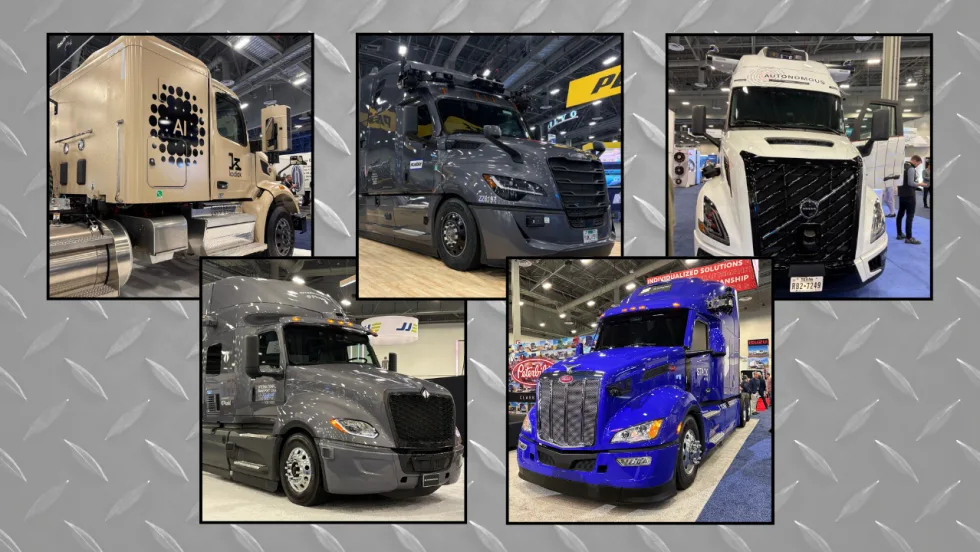
What DOT’s Automated Vehicle Strategy Means for Trucking
The U.S. Department of Transportation issued a new automated-vehicle strategy that outlines plans for driverless-truck regulations, cross-state freight corridors, and federal safety standards.
Read More →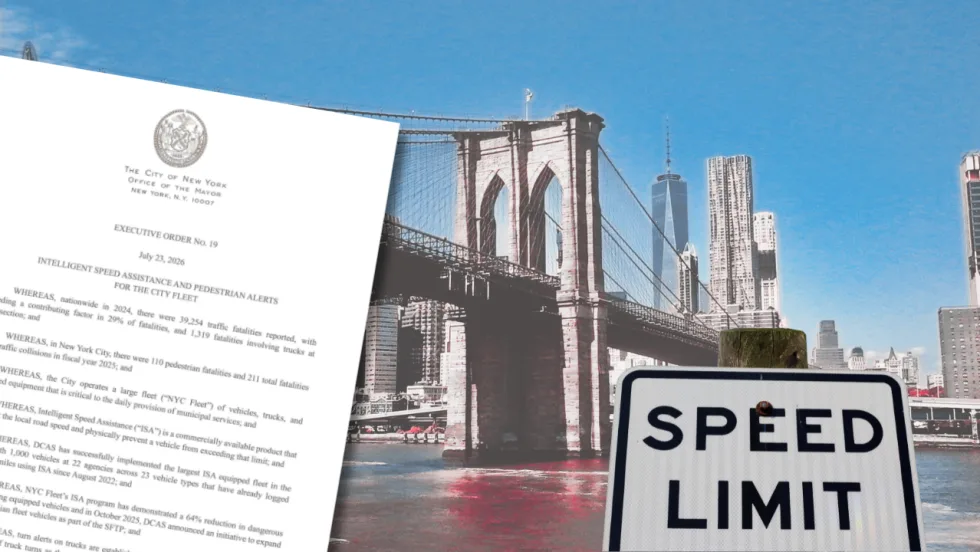
NYC Expands Speed, Pedestrian Safety Tech Across Fleet
New York City is expanding intelligent speed assistance and pedestrian-alert systems across its municipal fleet, moving the technologies from pilot programs into vehicle procurement and retrofit requirements.
Read More →