





Dig Deeper: Should Truck Trailers Have Side Underride Guards?
DOT to Seek Comment on Side Underride Guards for Trailers
The first step in creating a federal rule requiring side underride guards for trailers is under review at the White House.
January 31, 2023
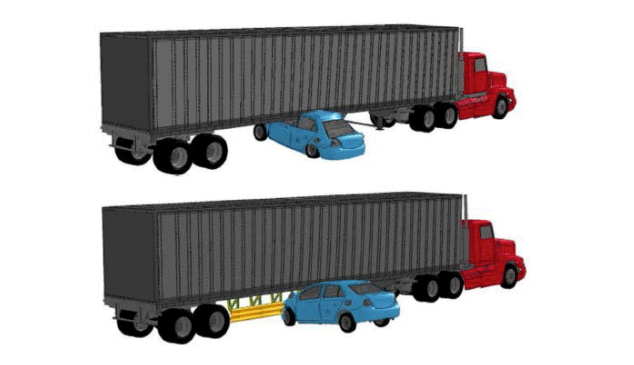
Previous NHTSA research used computer modeling to evaluate side underride guard technologies.
Source: NHTSA
2 min to read
The federal government is one step closer to a rule requiring side underride guards on trailers to mitigate underride crashes into the sides.
The National Highway Traffic Safety Administration recently sent an advance notice of proposed rulemaking (ANPRM) on side underride guards to the White House Office of Management and Budget. OMB must approve it before it’s published in the Federal Register. An ANPRM, or "pre-rule," is a notice primarily intended to request information and data before developing a proposed rule.
This rulemaking would respond, in part, to a Sept. 12, 2013, petition for rulemaking from Ms. Karth and the Truck Safety Coalition to start studies and rulemakings on side guards and front override guards on trucks. It's also a response to a provision in the Bipartisan Infrastructure Law.
Last summer, NHTSA issued a final rule for rear underride protection and said it was implementing a number of other underride provisions of the Bipartisan Infrastructure Law, including:
Establishing a Federal advisory committee on underride protection, which will complete research on side underride guards for trailers and semi-trailers to assess their effectiveness, feasibility, benefits, costs, and impact on intermodal operations.
Planning to publish an advance notice of proposed rulemaking to consider requirements for side underride guards for crashes into the sides of trailers and semi-trailers. This rulemaking also responds to a provision in the Bipartisan Infrastructure Law to report the findings of research on side underride guards in a Federal Register notice to seek public comment.
Bills that would require side underride guards have been introduced in at least the last three congressional sessions, in 2017, 2019, and 2021, but did not make it into law.
In 2017, the Insurance Institute for Highway Safety demonstrated the potential benefit of placing side underride guards on trailers, comparing crash data on trailers with and without side underride guards in collisions with passenger sedans at 35 mph. It found that passengers were more likely to sustain fatal injuries when hitting a trailer without the guard. One test evaluated the AngelWing side underride protection device from Airflow Deflector, while a second test was on a trailer with only a fiberglass side skirt.
More Safety & Compliance
More Trailer Data Through the Same Seven-Way [Video]
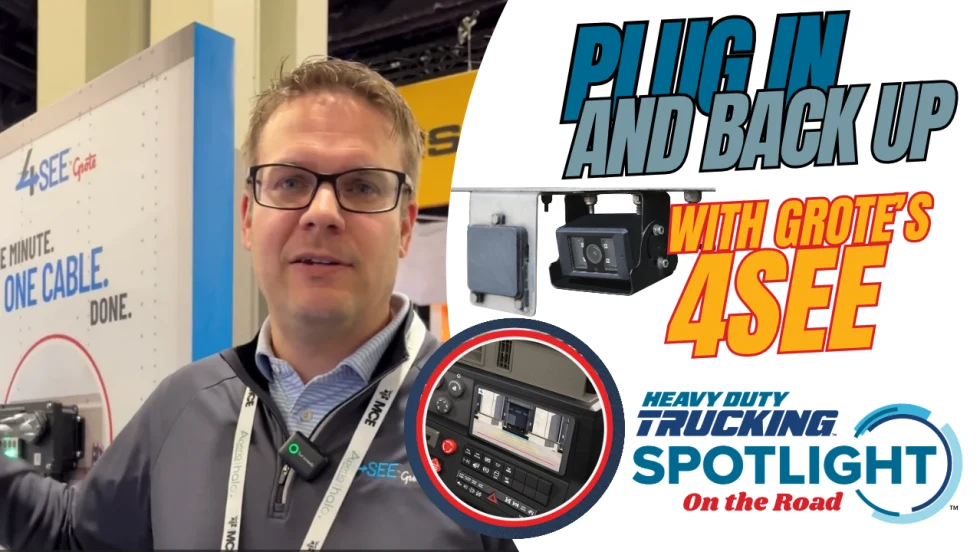
Can trucking’s standard seven-way connector handle more cameras and trailer data? Grote’s Adam Slade shows HDT how the company is using new technology with its 4See trailer system, not only to add a new backup camera but also to expand other capabilities — without adding another connection.
Read More →
PrePass Intelligence Mines Fleet Bypass, Toll and Safety Data
PrePass Intelligence helps fleets measure bypass savings, flag potential toll overcharges, and spot suspicious transactions by combining data from separate systems.
Read More →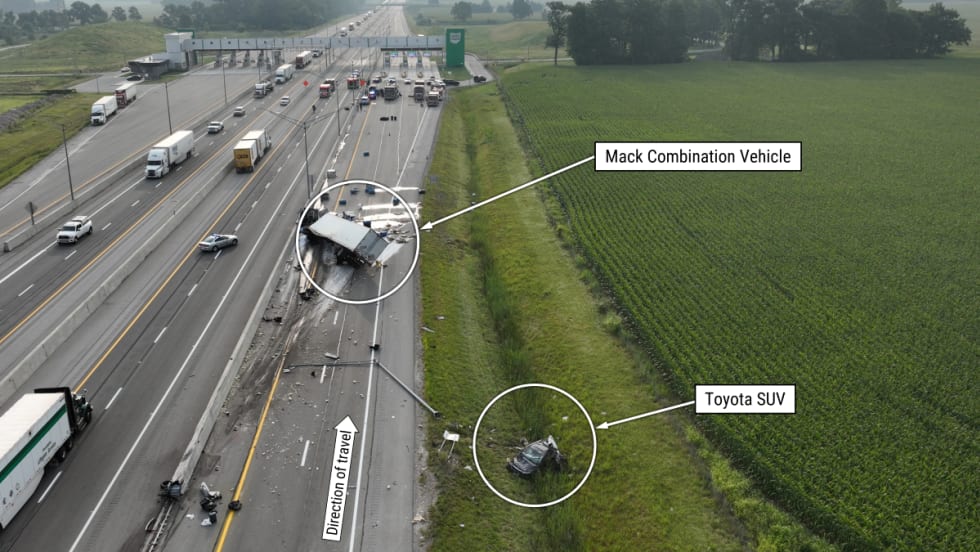
Fatal Crash Exposes Toll Plaza Risks
An NTSB investigation found that last-minute lane changes and large speed differences at an Ohio toll plaza created a hazard the truck driver couldn't avoid in time.
Read More →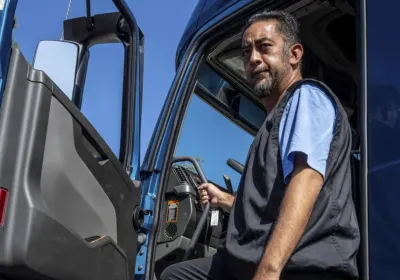

When Language Stops the Truck: The Return of ELP Out-of-Service Orders
English language proficiency rules for commercial drivers aren’t new, but renewed out-of-service enforcement has raised the stakes. Here’s what carriers need to know before a driver reaches a roadside inspection.
Read More →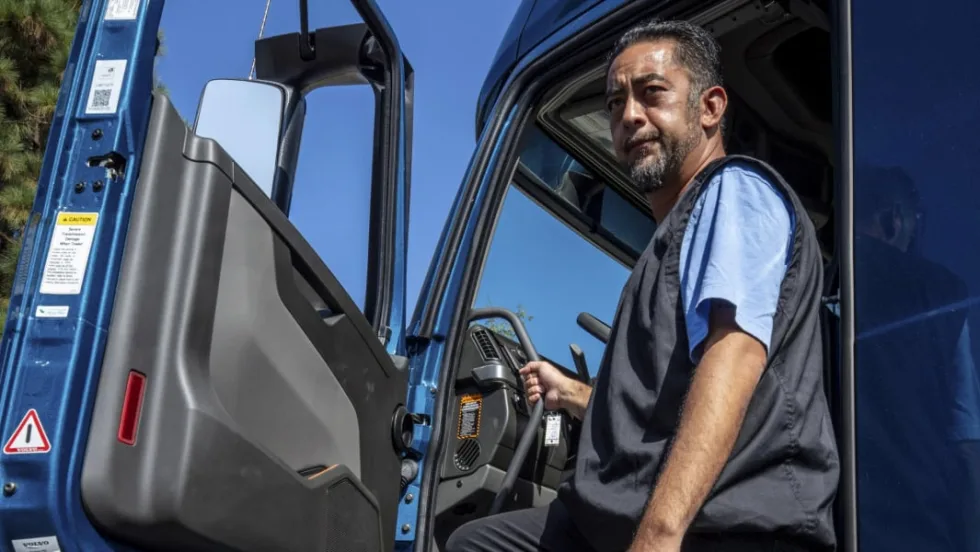
Sponsored•October 6, 2026
A Camera Isn't a Safety Program. Here's What Brokers Are Screening for Now
Footage alone may not be enough to pass broker vetting processes. Here's what counts as a defensible safety program now.
Read More →
Marijuana and Trucking’s Drug-Testing Dilemma
Marijuana is getting stronger, laws are changing, and drug tests still can’t reliably establish impairment. What does that mean for truck drivers and the fleets that employ them?
Read More →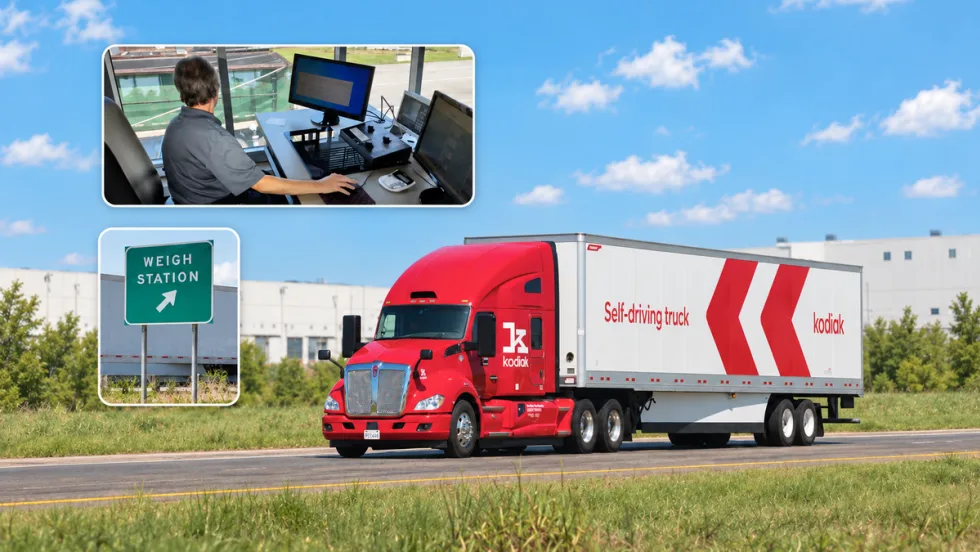
PrePass, Kodiak Connect Driverless Trucks to Roadside Enforcement
The system will allow enforcement agencies to verify Enhanced Inspection information and decide whether Kodiak’s autonomous trucks can bypass roadside screening sites.
Read More →
From One Generation to the Next: How Mentorship Builds Safer Truck Drivers
After three decades in trucking, Harold Perry shares what he's learned about driver safety, mentorship, and helping the next generation build confidence behind the wheel.
Read More →
FMCSA Pauses Biennial-Update Enforcement Amid Motus Transition
Carriers whose updates were due on or after June 1 have more time, while FMCSA works to stabilize its new registration system and warns of phishing sites impersonating its new carrier registration system, Motus.
Read More →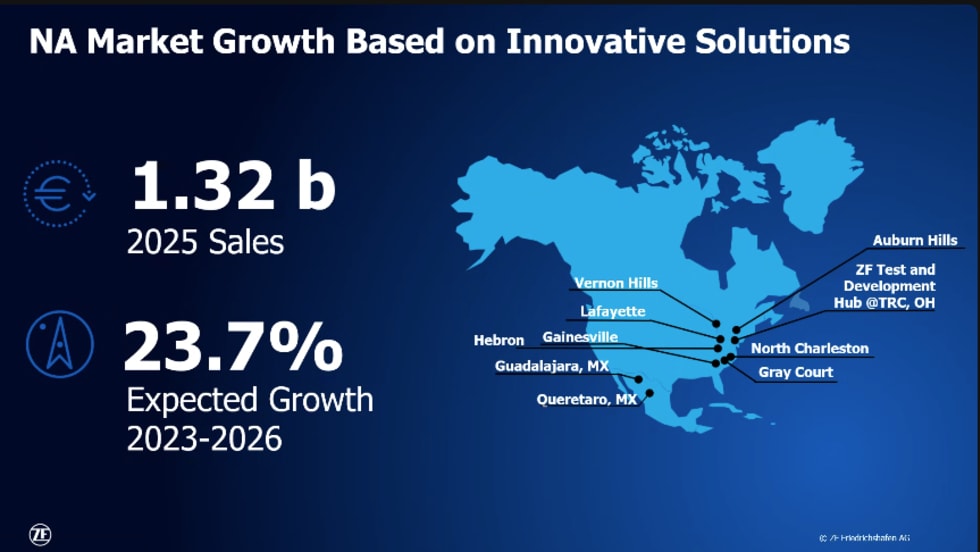
ZF Expands Commercial Vehicle Push in North America
ZF is expanding its North American commercial-vehicle presence with new transmission applications, electrification, trailer technology and autonomous-driving systems.
Read More →