





You Also May Like: 4 Ways to Accelerate Electric Truck Adoption
House Bill Would Repeal Federal Excise Tax
It's not the first time there's been an attempt to repeal the 12% federal excise tax, but today's focus on supply chain problems and emissions brings new urgency.
June 16, 2022
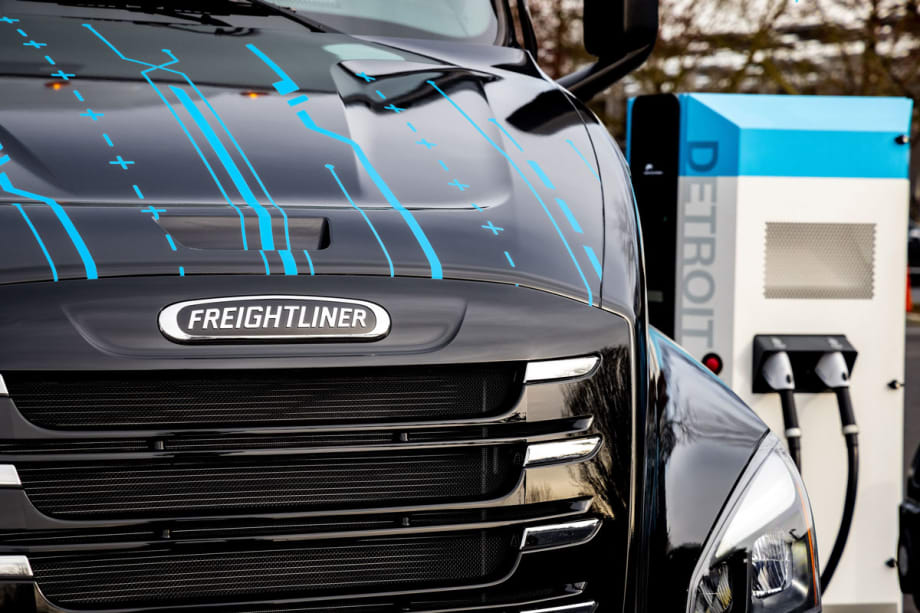
Critics of the federal excise tax say it discourages the purchase of newer, lower-emission trucks.
Photo: Daimler Truck North America/ACT Expo
3 min to read
A bill introduced in the U.S. House of Representatives would repeal the Federal Excise Tax on heavy trucks and trailers.
Rep. Chris Pappas from New Hampshire (D-N.H.) and Rep. Doug LaMalfa (R-Calif.) on June 16 introduced the Modern, Clean, and Safe Trucks Act of 2022. This bipartisan legislation would repeal the 12% FET.
A similar Senate bill (S. 2435) was introduced last year by Sen. Todd Young (R-Ind.) and Sen. Ben Cardin (D-Md.).
The FET was first enacted in 1917 to help pay for World War I, according to the American Truck Dealers association, which supports the bill. The tax is the highest excise tax on a percentage basis that Congress levies on a product, often adding as much as $22,000 to the price of a new heavy-duty truck, and as much as $50,000 to the price of an electric or hydrogen fuel-cell truck, given the higher price tag for these vehicles.
It's not the first time there's been an attempt to repeal the burdensome FET but today's focus on supply chain problems and emissions brings new urgency.
“As a small business owner, I’ve seen firsthand just how challenging it can be to operate a business, especially when costs rise,” said Pappas in a news release. “This is a time when we must do all we can to lower costs for small businesses and consumers, and cutting the federal excise tax on heavy trucks and trailers will help America's Main Street economy grow, address supply chain challenges and shortages, and lower costs for essential items that families need like groceries and gas.”
He pointed out that repealing the FET also would “facilitate the adoption of newer, safer, and greener trucks and reduce our dependency on foreign energy sources.”
“We need new and more environmentally friendly trucks deployed on our roadways,” said Scott McCandless, ATD chairman and president of McCandless Truck Center. “Half of the Class 8 trucks on the road are over 10 years old and lack the cleaner technologies and fuel efficiency gains of today’s new trucks. The FET is a barrier to our national goal to put more cleaner-emission trucks in service. For electric trucks, the FET is a counterproductive dead weight.
“Eliminating this outdated and punitive tax will spur turnover of our aging truck fleet and curb emissions. We must put an end to this tax that slows the deployment of new more environmentally friendly trucks.”
Saying the FET has outlived its original purpose by more than a century, LaMalfa added, “Between Sacramento and Washington, truckers have dozens of regulations on emissions and safety to follow. However, at the same time, our tax code disincentivizes them from purchasing the most up-to-date trucks… we should drop the burdensome tax preventing our truck drivers from having the most modern, highest technology and safest equipment on the road.”
More Equipment
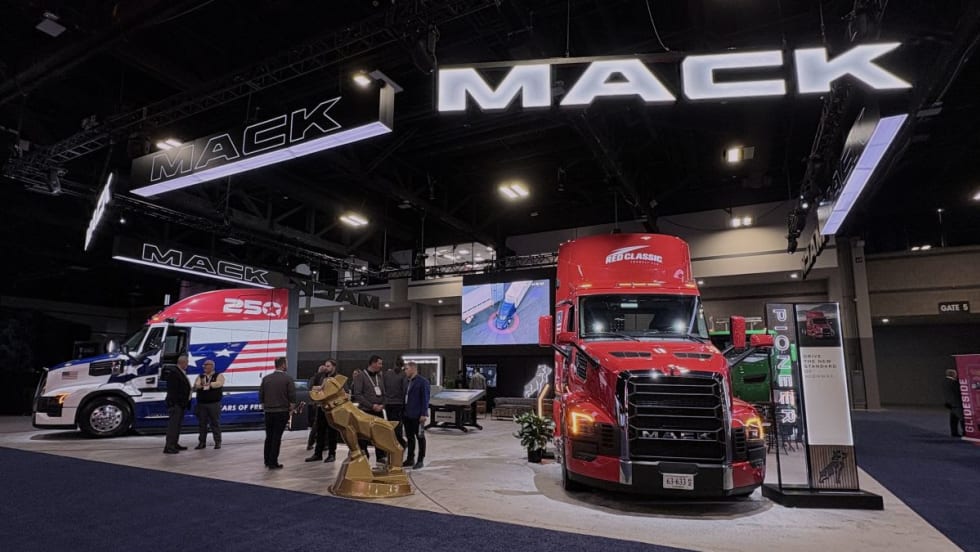
Trucks at ATA's 2026 MC&E in Charlotte, North Carolina [Photos]
From rigs decked out in patriotic America's 250 paint schemes to autonomous trucks and more, check out these photos from ATA's 2026 Management Conference & Exhibition.
Read More →
Help HDT Find Trucking’s Top Products
Have you come across a new product that could make a difference for trucking fleets? Nominate it for HDT’s 2027 Top 20 Products Awards by November 9.
Read More →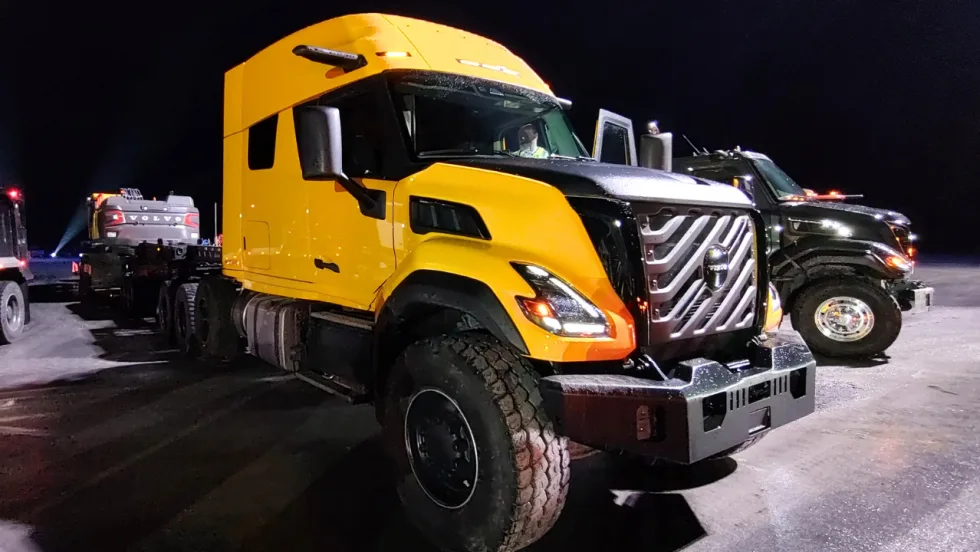
Volvo Unveils New VNX Heavy-Haul and Vocational Truck
Volvo Trucks has launched the VNX, a new vocational truck also available as a tractor in day cab and two sleeper configurations, with one heavy-haul model. The Volvo VNX is powered by Volvo's D13 platform, which delivers up to 540 horsepower and 1,950 pound-feet of torque and is EPA 2027-compliant.
Read More →
How GP Transco Cuts Trucking Fuel Costs, a Tenth of a Gallon at a Time
What’s another tenth of a mile per gallon worth? GP Transco shares how equipment upgrades and driver coaching turn small gains into meaningful fuel savings.
Read More →
Electric Yard Tractors Move Beyond Pilots
Operating-cost savings have overtaken sustainability goals as the leading reason surveyed fleets are adopting battery-electric terminal tractors, according to new NACFE research.
Read More →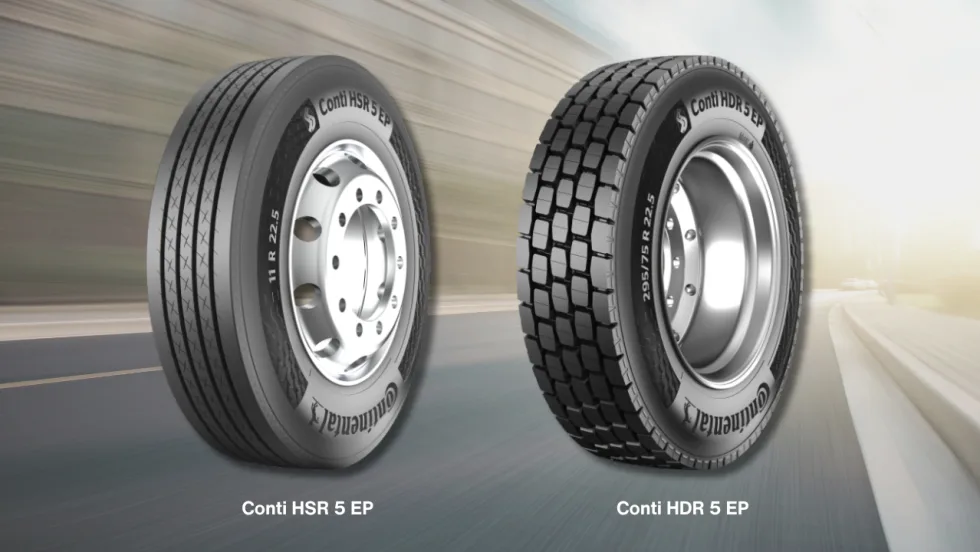
Continental Introduces New Regional Truck Tires
Continental says its new Generation 5 steer and drive tires for regional operations offer longer tread life, with estimated mileage gains of 22% and 19%, respectively.
Read More →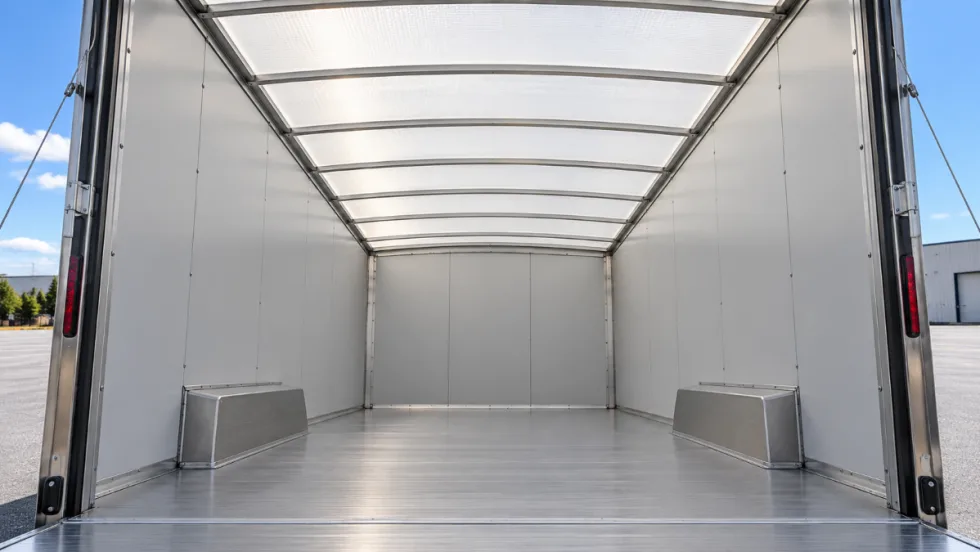
Tekmodo Introduces CargoBright Brand for Translucent Trailer Roofs
CargoBright is designed to diffuse daylight across the cargo area while performing as a working vehicle roof.
Read More →
Fleet Economics Shape Electric Truck Outlook
ACT Research expects costs, charging infrastructure, and technology improvements to drive zero-emission commercial vehicle adoption as federal regulations and incentives retreat.
Read More →
Kodiak Targets Dallas–Houston for Driverless Trucks
The company says its autonomous trucks are completing the I-45 run without a safety observer taking control. It plans to remove the observer by the end of 2026.
Read More →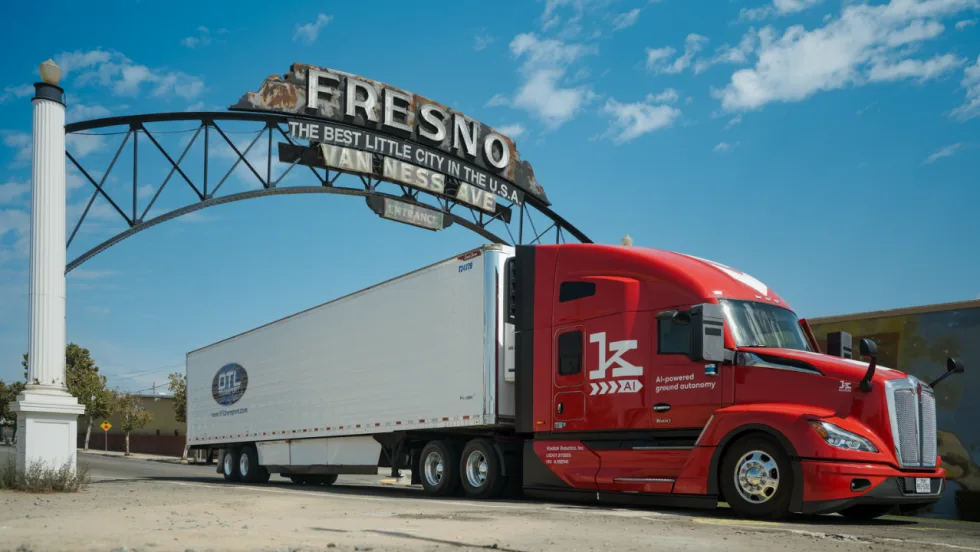
Kodiak Hauls Produce in California Autonomous Truck Pilot
Kodiak AI and DTL Transport have begun hauling produce between Fresno and Los Angeles under California’s new rules for testing heavy-duty autonomous trucks. A safety driver remains behind the wheel.
Read More →