





You also might like...
FMCSA Chief: Autonomous Trucks Mean 'Real and Broad Impacts on People's Livelihoods'
Musical Chairs Ending at FMCSA [Commentary]
For those keeping score, Meera Joshi is the third acting chief of the Federal Motor Carrier Safety Administration since President Trump’s appointee Ray Martinez stepped down two years ago.
November 22, 2021
![Musical Chairs Ending at FMCSA [Commentary]](https://assets.bobitstudios.com/image/upload/f_auto,q_auto,dpr_auto,c_limit,w_920/usdot-joshi_1768076593158_reftd1.jpg)
Meera Joshi appears to be headed for confirmation at head of FMCSA.
Photo: U.S. DOT
4 min to read
Meera Joshi, President Joe Biden’s pick to head the Federal Motor Carrier Administration, may not be waiting much longer to officially take the reins The Senate Commerce Committee in late October voted to forward her nomination to the full Senate, where it’s expected to be confirmed easily. That’s not surprising, given her nomination received the unequivocal support of both the American Trucking Associations and the Commercial Vehicle Safety Alliance.
(Editor's note: Sen. Rick Scott (R-Fla.), a member of the Senate Commerce, Science and Transportation Committee, recently threatened to hold all of President Biden's nominees for the departments of Transportation and Commerce until a hearing is held on the supply chain crisis, according to The Hill.)
As administrator, Joshi will bring stability to a regulatory body that has been under a musical-chairs changing of the guard in recent years. She is currently the agency’s acting administrator, a role she has held since April, in addition to her January appointment as FMCSA deputy administrator. For those keeping score, Joshi is the third acting chief since President Trump’s appointee Ray Martinez stepped down two years ago.

David Cullen, Business/Washington Contributing Editor
More importantly for trucking, Joshi will bring to bear a wealth of experience to her role as the nation’s chief regulator of truck and bus safety. ATA chief Chris Spear stated in a letter to Senate committee members that the trucking lobby “supports her nomination without reservation.” He praised her for having already become “a vital partner to the trucking industry in addressing issues of safety, infrastructure, workforce development, and more,” adding that ATA was “particularly impressed” by her “reliance on data to address real-world needs.”
“CVSA appreciates Ms. Joshi’s extensive experience promoting highway safety,” CVSA Executive Director Collin Mooney said in a statement. “Her time with the New York City Taxi and Limousine Commission gives her the experience and exposure necessary to guide FMCSA and work collaboratively with the Alliance.”
A transportation attorney and policy expert, Joshi’s regulatory experience includes serving as chair and CEO of the New York City Taxi and Limousine Commission. In that post, she led New York City to mandate the reporting of granular trip data from large app operators, which informed major data-driven safety reforms and enforceable pay standards for drivers. Most recently, Joshi was general manager of the New York office of Sam Schwartz Transportation Consultants.
Joshi’s Senate testimony in a September hearing sent a clear signal of how she will approach the job. “Ensuring the safety of the women and men literally driving the commercial motor vehicle industry and all those that they share the road with is my personal and utmost priority,” she stated.
More specifically, Joshi said she is “deeply committed” to “reversing the fatal trend,” rising since 2009, in commercial motor vehicle-related roadway fatalities. She noted that “every year, over 800 of these victims are large truck or bus drivers.”
Joshi said that as regulatory chief of the NYC taxi fleet, she led pilot programs “to integrate innovative vehicle safety technology, increased the effectiveness of roadway enforcement and inspections, and used data analytics to identify and remove the most dangerous drivers from the road and operators from the industry.”
In replies to questions put to her by committee members, Joshi made other points, including that FMCSA would comply with the requirements of the proposed DRIVE-Safe Act, which was reintroduced this year, to provide certified CDL holders under age 21 with pathways to follow to be allowed to drive trucks on interstate routes.
Asked about the ongoing backup of incoming freight at U.S. ports, Joshi observed that, “The less turn times they [drivers] have, the less money they make.” She added that grasping the detention time issue could lead to creating “financial incentives for shippers and port operators to decrease that time so that the burden doesn’t fall on truckers.”
Joshi also addressed the scourge of distracted driving. Calling it “heartbreaking” because it’s preventable, she stressed that slight changes in behavior can yield great dividends. “It takes a quick decision not to use your phone while you’re driving, to put on the return text message that says, ‘Do not disturb me. I’m driving.’”
This column originally appeared in the November 2021 print issue of Heavy Duty Trucking as the Washington Watch department. It has been edited slightly to reflect developments since the issue went to press.
Subscribe to Our Newsletter
More Safety & Compliance
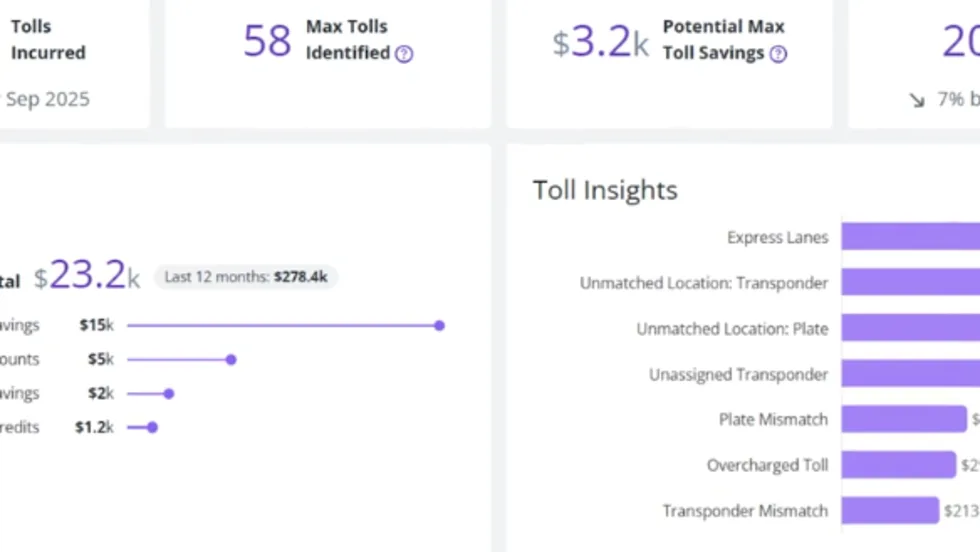
PrePass Intelligence Mines Fleet Bypass, Toll and Safety Data
PrePass Intelligence helps fleets measure bypass savings, flag potential toll overcharges, and spot suspicious transactions by combining data from separate systems.
Read More →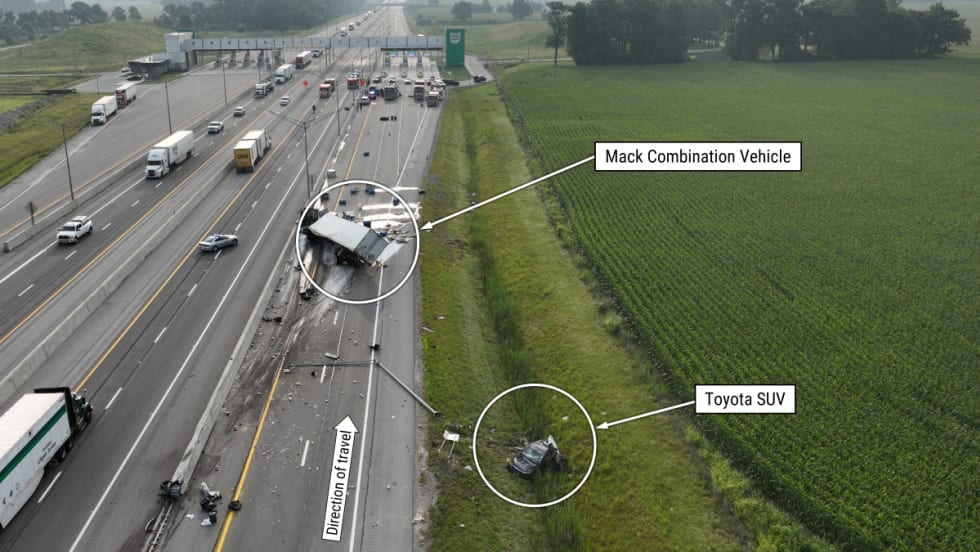
Fatal Crash Exposes Toll Plaza Risks
An NTSB investigation found that last-minute lane changes and large speed differences at an Ohio toll plaza created a hazard the truck driver couldn't avoid in time.
Read More →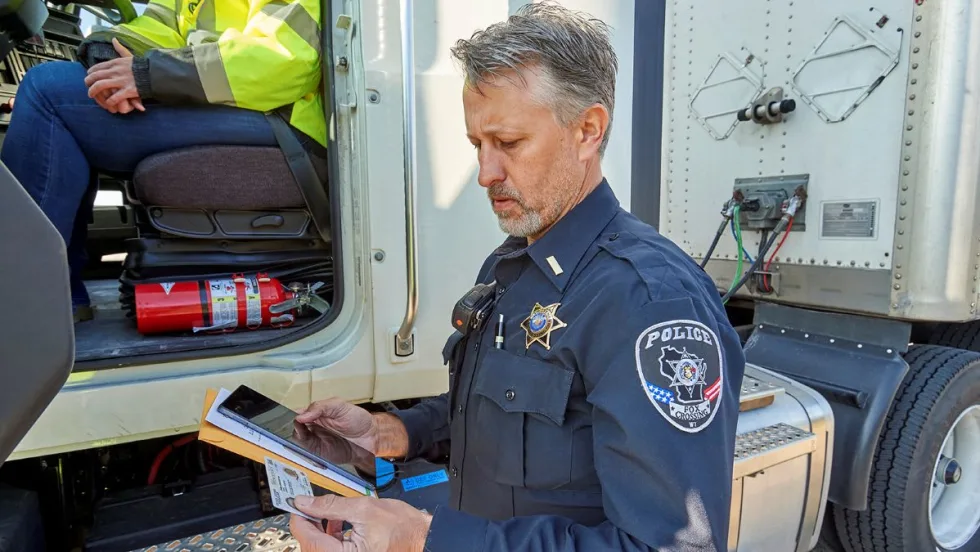
When Language Stops the Truck: The Return of ELP Out-of-Service Orders
English language proficiency rules for commercial drivers aren’t new, but renewed out-of-service enforcement has raised the stakes. Here’s what carriers need to know before a driver reaches a roadside inspection.
Read More →
Sponsored•October 6, 2026
A Camera Isn't a Safety Program. Here's What Brokers Are Screening for Now
Footage alone may not be enough to pass broker vetting processes. Here's what counts as a defensible safety program now.
Read More →
Marijuana and Trucking’s Drug-Testing Dilemma
Marijuana is getting stronger, laws are changing, and drug tests still can’t reliably establish impairment. What does that mean for truck drivers and the fleets that employ them?
Read More →
PrePass, Kodiak Connect Driverless Trucks to Roadside Enforcement
The system will allow enforcement agencies to verify Enhanced Inspection information and decide whether Kodiak’s autonomous trucks can bypass roadside screening sites.
Read More →
From One Generation to the Next: How Mentorship Builds Safer Truck Drivers
After three decades in trucking, Harold Perry shares what he's learned about driver safety, mentorship, and helping the next generation build confidence behind the wheel.
Read More →
FMCSA Pauses Biennial-Update Enforcement Amid Motus Transition
Carriers whose updates were due on or after June 1 have more time, while FMCSA works to stabilize its new registration system and warns of phishing sites impersonating its new carrier registration system, Motus.
Read More →
ZF Expands Commercial Vehicle Push in North America
ZF is expanding its North American commercial-vehicle presence with new transmission applications, electrification, trailer technology and autonomous-driving systems.
Read More →
Truck Drivers Need More Than Another Alert
Fleets have more visibility into truck health, safety events, and driver activity than ever. The next challenge is turning all that information into useful guidance for the person who has to decide what to do next.
Read More →