




Scania to Test Autonomous Trucks on Swedish Highways
Scania has been granted permission by the Swedish government to test self-driving trucks on the highway in conjunction with TuSimple.


Scania and TuSimple have been granted permission by the Swedish government to test autonomous trucks on public highways.
Photo: Scania
European truck OEM Scania has been granted permission by the Swedish Transport Agency to test self-driving trucks on the E4 motorway between Södertälje and Jönköping in Sweden. The tests will occur in collaboration with TuSimple, which is a U.S.-Chinese developer of autonomous vehicles and a key partner in Scania’s and Traton group’s investment in this field.
The trucks will enter commercial service with the Scania Transport Laboratory and will be loaded with goods for Scania’s production operations. The tests will cover technology according to level 4 on the 5-point SAE scale for self-driving vehicles, which means that the trucks are driven autonomously but for safety reasons are supervised by a driver. A test engineer will also be on board during Scania’s tests to monitor and verify the information which is transmitted to the truck from the sensors that enable autonomous driving.
“In both the U.S. and China, tests are already underway of trucks according to Level 4 on public roads, but as far as I know Scania is the first in Europe to test the technology on a motorway and with payload,” said Hans Nordin, who is responsible for the Hub2hub project for Scania.
Later this year, Scania plans to expand the tests to cover the entire route between Södertälje and Helsingborg.
“In the coming years, we also expect to be able to test the technology in other European countries and in China,” Nordin added.
Scania has been testing self-driving trucks for mining transportation in Australia since 2017.
“The experience gained from these tests shows that autonomous vehicles can become a reality in just a few years for transportation in closed areas such as mines and terminals,” said Nordin.
According to Nordin, so-called Hub2hub transportation – driving on the motorway between reloading centres – is the first kind of transportation on public roads where self-driving trucks can become a reality.
“We have come so far in the development of self-driving vehicles that the technology may be ready to be introduced to the market already within the next five years for this type of transportation. However, it will take longer before autonomous vehicles for driving on roads with two-way traffic and in urban environments becomes a reality,” Nordin said.
Scania has released this video (in Swedish) which highlights major aspects of this on-going autonomous research project:
More Fuel Smarts

Detroit Opens Orders for EPA 2027 Engines
Detroit isn’t starting from scratch to meet EPA 2027 diesel emissions standards. Its Gen 6 DD13 and DD15 engines keep much of today’s platform while updating the fuel and aftertreatment systems.
Read More →
Zero-Emission Truck Corridor Planned for West Coast
California, Oregon, Washington, British Columbia and Baja California are coordinating plans for truck charging and hydrogen fueling from Canada to Mexico.
Read More →
A Closer Look at Kenworth’s Electric T880E Vocational Truck [Video]
Learn more about Kenworth's T880E battery-electric vocational truck at the Paccar Technical Center, including its range, applications, upfitting considerations, and PTO options, in this HDT Spotlight video.
Read More →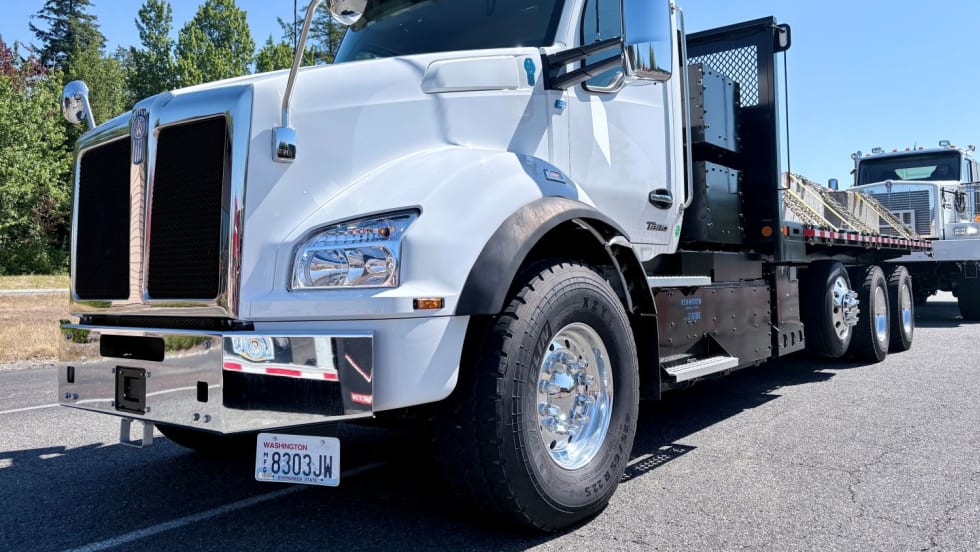
Kenworth T880E Brings EV Power to Vocational Trucks
A closer look at the Kenworth T880E’s range, charging, powertrain and upfit options — and where fleets are showing the most interest.
Read More →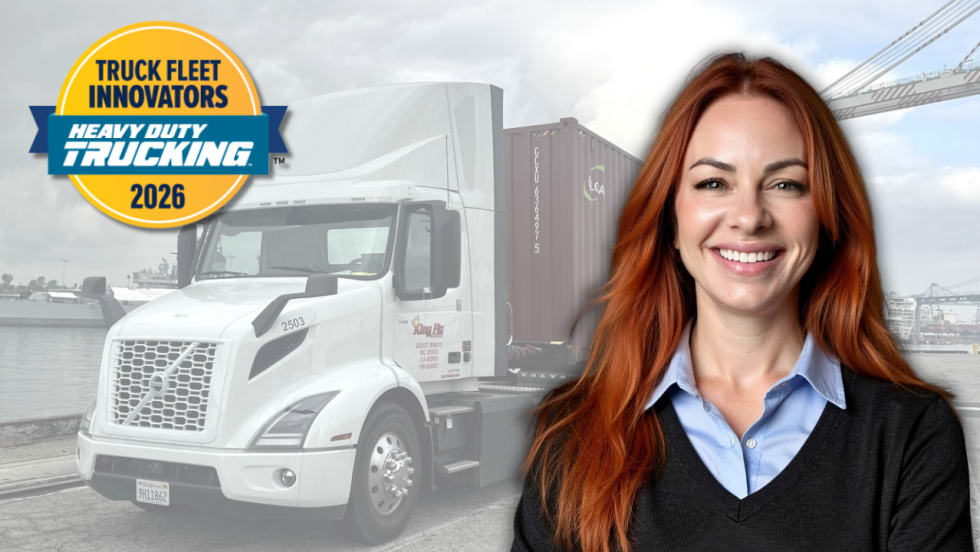
Jennie Abarca Is Proving Electric Trucks Can Do the Job
HDT Truck Fleet Innovator Jennie Abarca is building confidence in fleet electrification one load at a time while openly sharing the challenges she encounters along the way as a small-fleet owner.
Read More →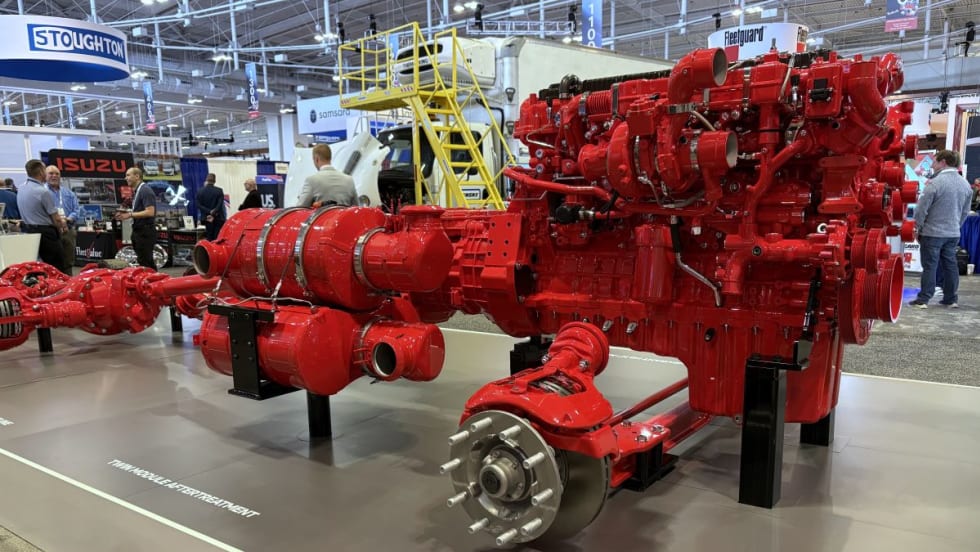
Cummins Adjusts 2027 Engine Rollout After EPA Proposal
The engine maker will gradually introduce its new Model Year 2027 diesel engines while continuing to offer current models during the transition, citing the EPA's proposed emissions rule changes.
Read More →
EPA Proposal Could Ease 2027 Truck Costs and Buying Uncertainty
The proposal doesn't change the tougher NOx standard, but it would revise key implementation requirements that manufacturers say have driven up costs and complicated fleet purchasing decisions.
Read More →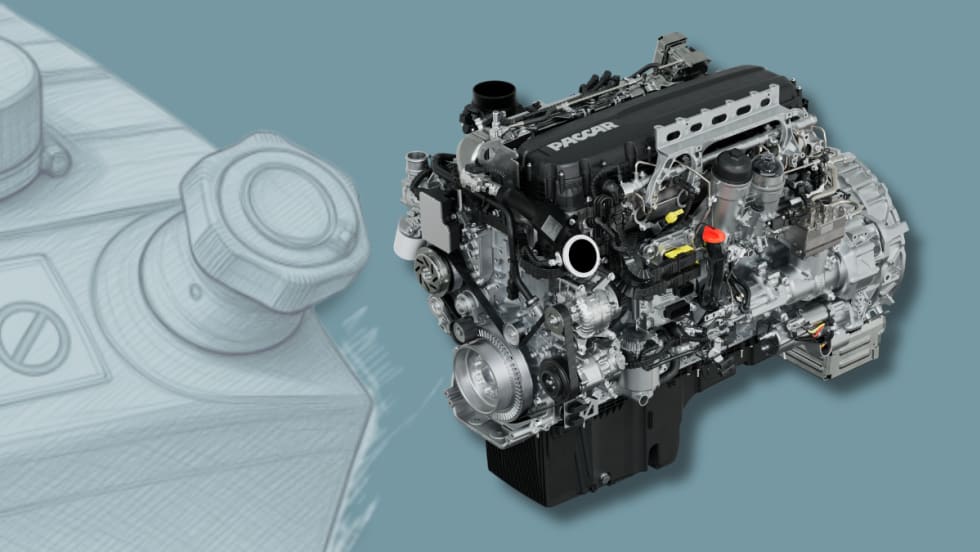
Cummins, Paccar Ease DEF Derates After EPA Guidance
Updated diesel engine software gives truck operators more time to address emissions-system issues while staying compliant with EPA emissions standards.
Read More →
Maintenance in the Messy Middle Part 3: Biodiesel
Biodiesel can reduce emissions, improve fuel-system lubricity and use existing diesel infrastructure. But NACFE’s Messy Middle maintenance report says fleets must actively manage storage, cold-weather operation, filters and oil drain intervals to avoid problems.
Read More →
Enhance Fleet Performance with High-Efficiency Auxiliary Power Units
Drive sustainable cost savings while increasing driver comfort during short- and long-haul logistics operations.
Read More →