




NACFE Electrifies Run on Less
Run on Less 2021 will feature up to 10 Class 3 through 8 electric trucks, drivers, and charging infrastructure systems operating in vehicle-appropriate duty cycles in the United States and Canada.


The North American Council for Freight Efficiency and Rocky Mountain Institute will be conducting Run on Less - Electric, an electric truck technology demonstration, in 2021.
Battery-electric trucks will be in the spotlight this September during Run on Less - Electric, conducted by the North American Council for Freight Efficiency and Rocky Mountain Institute. ROL-E aims to validate the progress that has made in battery-electrics truck over the past several years.
Run on Less - Electric will see up to 10 trucks in Class 3 through 8 operating in duty cycles appropriate for their class, and will include panel vans, medium-duty box trucks in urban and pick-up and delivery operations, Class 7 and 8 trucks and tractors in drayage and short regional hauls, and possibly yard tractors, said NACFE Executive director Mike Roeth in a virtual briefing for reporters Jan. 13 adding, "These will be battery-electrics only."
The first Run on Less event, in 2017, was a long-haul fuel-economy run demonstrating how currently available equipment and technologies could, with the help of a fuel-conscious driver, result in better fuel mileage. Despite the challenges of two hurricanes, seven drivers over 17 days and 50,000 miles managed to average 10.1 mpg. The second Run on Less event, in 2019, showcased possible fuel economy improvements for regional-haul operations.
For the third iteration, Run on Less - Electric, fleets and OEMs will partner, Roeth said. "In the past, it was all about the fleets bringing their product for Run on Less 1 and 2. This time around, we'll bring the OEMs in because of where we are in the development process."
Given the different stages of development for the different classes and different OEMs, Roeth said there will be some variety in the design maturity of the trucks in the Run. Same may be a little more mature than others, having been in operation for a year or more, while some may be just coming into operation.
"But they will all be hauling real freight on real routes with real drivers and real charging," he said. "This will be a real demonstration of electric trucks, now, in 2021."
For the first time, trucks operating in Canada will be included in the Run. This year's event takes place over a three-week period in September. Initial results will be reported at the North American Commercial Vehicle Show in Atlanta in late September. The full report emerging from Run on Less - Electric will include insights gained on charging infrastructure requirements, operating costs, driver training needs and more. It's slated for release in 2022.
"I like that we're doing this Run on Less event earlier in the technology development cycle, because there's still a big learning opportunity," said Rob Reich, NACFE board chairman and Schneider's executive vice president and chief administrative officer. "This is such a significant change in trucking technology that it makes sense for us to get ahead of that and help the industry learn what those of us who are fortunate enough to get some experience with this haven't already."
EV Learning Opportunities
Leading up to the main event in the fall, NACFE and the Rocky Mountain Institute will host a series of 10 90-minute virtual educational events (E-series) between May and August for industry stakeholders to discuss the whys and hows of electric truck deployment. It's described as an opportunity to learn from leaders in fleet electrification and will include discussions with fleet managers, charging providers, utilities, engineering firms, policymakers, and more. NACFE and RMI will publish the E-series schedule in April and registration will open at that time.
“Rather than a typical webinar where experts teach what they already know, these sessions are intended to bring together stakeholders from across the industry to support innovation, collaboration, and the acceleration of zero-emissions goods movement,” said Reich.
Roeth said the E-series session will feature high-level content, Q&A with expert panels, and finally small group workshop-type discussions.
Call for Run on Less Participants and Sponsors
NACFE and RMI have already been talking with truck builders and early-adopter fleets, but participation is open to any battery-electric vehicle fleet that qualifies. There's an application questionnaire on the website that can start the ball rolling for interested fleets. Decisions on the final 10 fleets selected to take part in Run on Less - Electric will announced in April.
ROL-E is also looking for sponsors to help underwrite the costs associated with the Run. Opportunities are available at different levels. Event sponsors already committed include "title sponsors" Dana, Meritor, and Shell. Other sponsors so far are APTIV, Electrify America, Electriphi, Geotab, Lightning eMotors, National Rural Electric Cooperative Association, PepsiCo, Peterbilt, Volvo Trucks North America, and Workhorse.
Fleets and truck manufacturers can complete an application using the form available at www.runonless.com. Contact Dave Schaller at david.schaller@nacfe.org or Mike Roeth at mike.roeth@nacfe.org with questions.
More Fuel Smarts

California Bill Could Shed Light on Electric Truck Prices
Why do battery-electric Class 8 trucks remain so expensive? A California bill headed to Gov. Gavin Newsom would give fleets and state agencies more visibility into what manufacturers charge.
Read More →
Detroit Opens Orders for EPA 2027 Engines
Detroit isn’t starting from scratch to meet EPA 2027 diesel emissions standards. Its Gen 6 DD13 and DD15 engines keep much of today’s platform while updating the fuel and aftertreatment systems.
Read More →
Zero-Emission Truck Corridor Planned for West Coast
California, Oregon, Washington, British Columbia and Baja California are coordinating plans for truck charging and hydrogen fueling from Canada to Mexico.
Read More →
A Closer Look at Kenworth’s Electric T880E Vocational Truck [Video]
Learn more about Kenworth's T880E battery-electric vocational truck at the Paccar Technical Center, including its range, applications, upfitting considerations, and PTO options, in this HDT Spotlight video.
Read More →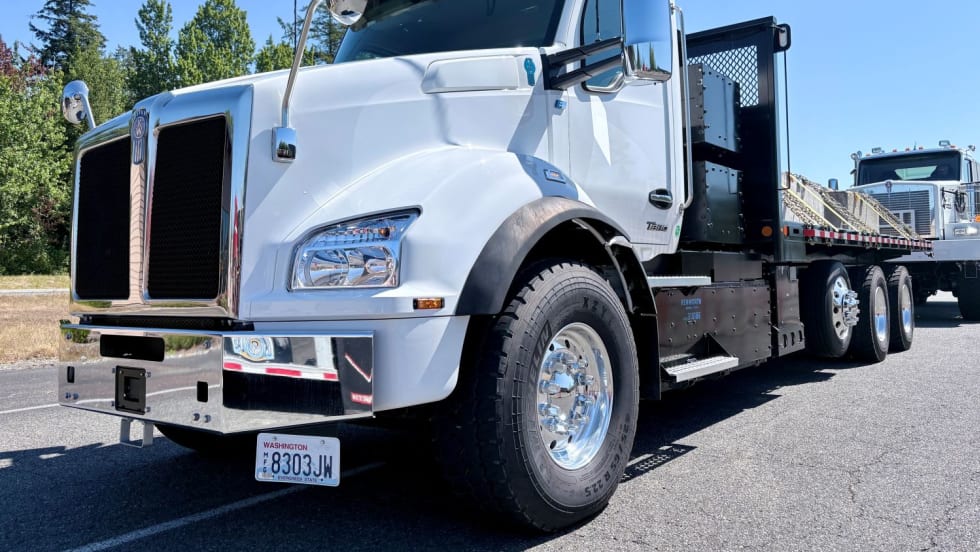
Kenworth T880E Brings EV Power to Vocational Trucks
A closer look at the Kenworth T880E’s range, charging, powertrain and upfit options — and where fleets are showing the most interest.
Read More →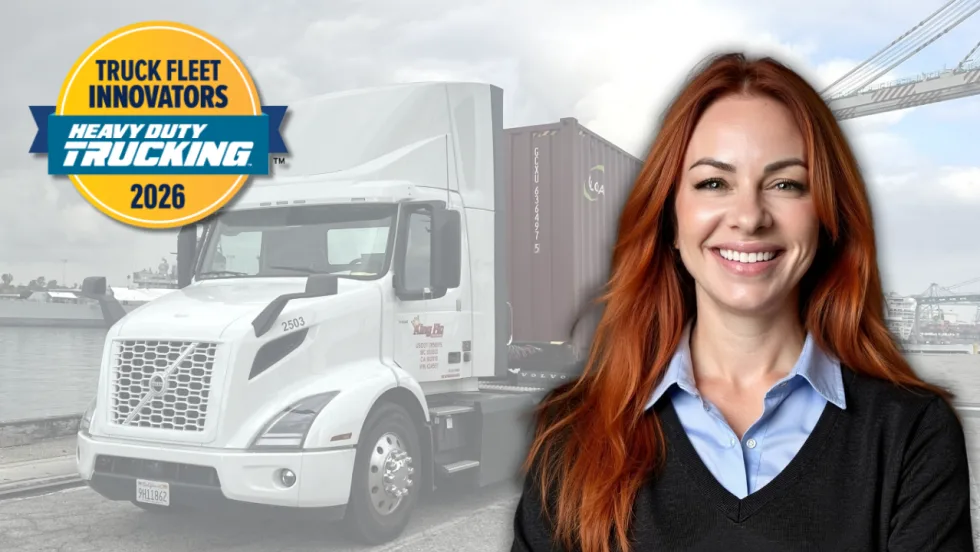
Jennie Abarca Is Proving Electric Trucks Can Do the Job
HDT Truck Fleet Innovator Jennie Abarca is building confidence in fleet electrification one load at a time while openly sharing the challenges she encounters along the way as a small-fleet owner.
Read More →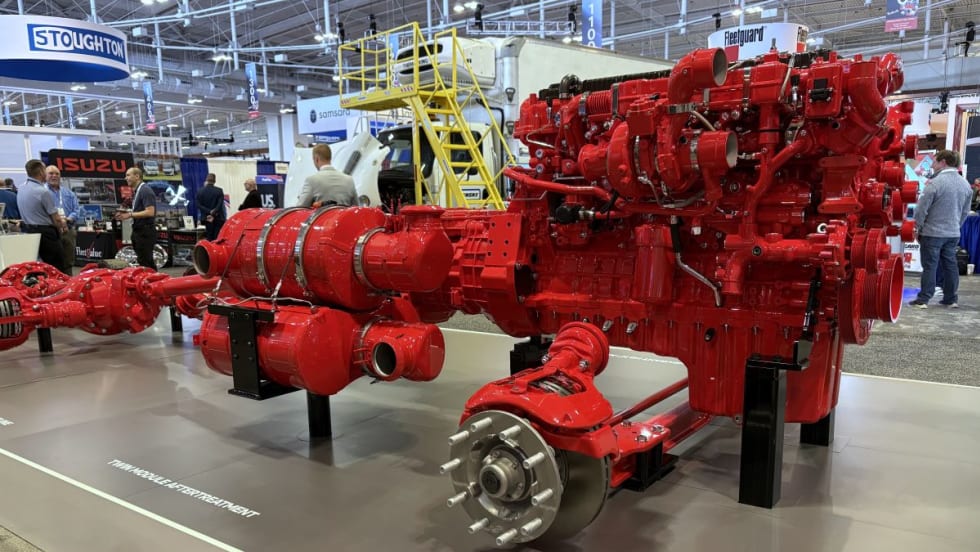
Cummins Adjusts 2027 Engine Rollout After EPA Proposal
The engine maker will gradually introduce its new Model Year 2027 diesel engines while continuing to offer current models during the transition, citing the EPA's proposed emissions rule changes.
Read More →
EPA Proposal Could Ease 2027 Truck Costs and Buying Uncertainty
The proposal doesn't change the tougher NOx standard, but it would revise key implementation requirements that manufacturers say have driven up costs and complicated fleet purchasing decisions.
Read More →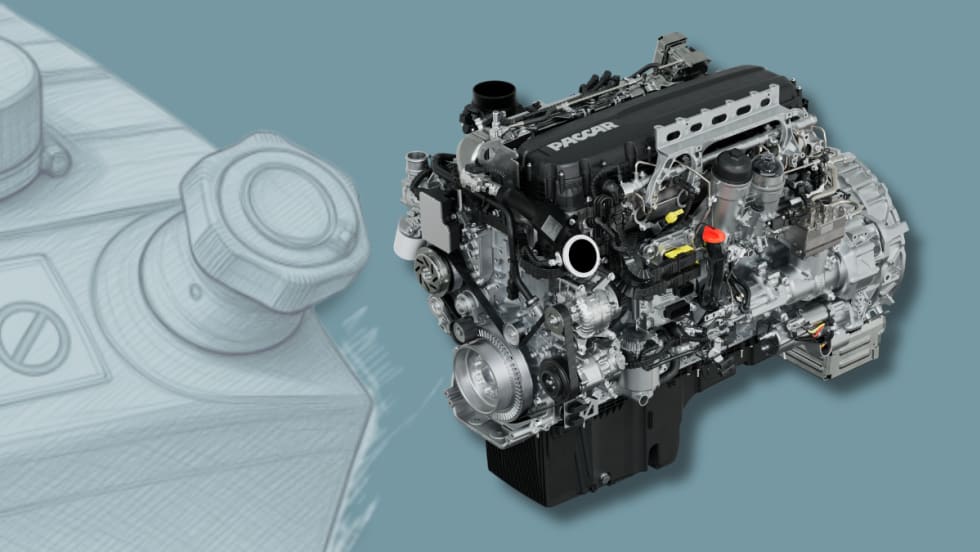
Cummins, Paccar Ease DEF Derates After EPA Guidance
Updated diesel engine software gives truck operators more time to address emissions-system issues while staying compliant with EPA emissions standards.
Read More →
Maintenance in the Messy Middle Part 3: Biodiesel
Biodiesel can reduce emissions, improve fuel-system lubricity and use existing diesel infrastructure. But NACFE’s Messy Middle maintenance report says fleets must actively manage storage, cold-weather operation, filters and oil drain intervals to avoid problems.
Read More →