




Trucking Recovery in Full Swing on Gains in Freight Volumes
The trucking industry is finally experiencing a period of growth, as an economic recovery has led to solid freight volumes, tightening capacity and signs of a driver shortage waiting in the wing
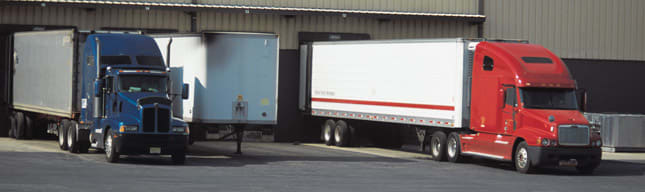
As freight volumes continue to improve this year along with the overall economy, fleets can expect to have more trucks at the dock and more drivers on the road.
The trucking industry is finally experiencing a period of growth, as an economic recovery has led to solid freight volumes, tightening capacity and signs of a driver shortage waiting in the wings
, said Bob Costello, chief economist of the American Trucking Associations, in the Trucking Economic Review.
"It looks like motor carriers are finally enjoying some better days, after more than two years of extremely tough times," he said.
In the review, the ATA said it has raised its economic forecast for the rest of this year. While gross domestic product grew at a 2.7 percent annualized rate in the first quarter of 2010, the ATA expects GDP growth to top 4 percent this quarter. For the entire year, GDP is expected to grow 3.4 percent, compared to the 2.4 percent drop in 2009.
Manufacturing Activity
According to the ATA's review, one source of the growth in the U.S. economy is manufacturing activity. In the first quarter, manufacturing output grew 1.7 percent from the previous quarter and 3.2 percent from the year-ago period. In May, manufacturing output reached its highest level since November 2008; ATA expects domestic demand to remain strong the rest of the year.
In addition, factories are hiring more workers, with 126,000 people added to the manufacturing payrolls so far this year.
Retails sales have been increasing too. In May, retails sales were at the highest level, with the exception of April 2010, since September 2008. Sales also increased 6.9 percent from May 2009.
However, ATA said the unemployment rate should continue to remain high throughout the rest of the year and part of next year.
Inventories
Economic activity has also been impacted by the inventory cycle, the review said.
"First, severely bloated inventories throughout the supply chain during the recession caused a delayed recovery in the trucking industry," Costello said.
During the recession, total business inventories-to-sales ratio rose sharply, due to a smaller drop in inventories relative to sales, which means shippers had too much inventory on hand for the amount of sales, ATA said.
"Now, the issue is how much freight volumes are being propelled by an inventory restocking," Costello said. "If one looks at the GDP figures, the change in inventories have accounted for about half of GDP growth during the last two quarters. So, there is no doubt that inventory reductions were overshot and then they increased again, boosting both truck freight and GDP."
While inventories are now up, they are still below pre-recession levels. Since bottoming out in September 2009, inventories have only gained 2.4 percent through April of this year.
Freight Growth
Freight volumes are up, especially in the truckload sector, ATA said in its review. In the first quarter, truckload volumes gained 1.8 percent from the previous quarter and 7 percent from the 2009 quarter.
Meanwhile, the less-than-truckload sector has not seen the same growth as the truckload sector, but it often lags behind truckload in a typical cycle. LTL has turned a corner, though, and should start experiencing some improvements, ATA said.
"To be sure, on a monthly basis, both TL and LTL freight are still well below the all-time highs, but due to the sharp reduction in supply, freight 'feels' even better to most fleets right now," Costello said.
While ATA expects freight growth to slow in the quarters ahead in terms of year-over-year figures, freight volumes will grow at the same pace as the overall economy the rest of this year.
Utilization rates are also up, but since they were at such low levels, fleets can accommodate the current increase in demand without adding more trucks, ATA said. In the first quarter, average miles per truck per month increased 13 percent from the 2009 quarter.
"Still, truck fleets are preparing for the day when they need to add trucks and drivers, which has already caused some concern for driver availability," Costello concluded. "Certainly, the driver shortage will eventually return, as the fundamentals for the driver shortage of a few years ago didn't disappear, but were outweighed by the acute drop in freight volumes."
More Fleet Management

Kodiak Lines Up Fleets for Driverless Trucking
An agreement for 75 trucks, a new Texas freight lane, and progress on safety validation move Kodiak closer to its planned driverless highway launch.
Read More →
ITS Logistics Settles Religious Harassment Case
The Nevada-based logistics firm agreed to pay more than $396,000 to settle a religious harassment charge involving an employee's Jewish identity.
Read More →
Your Trucks Are Busy. That Doesn’t Mean They’re Winning.
High utilization doesn’t always mean strong margins. Looking beyond the current load can help fleets make better dispatch decisions and get more value from each truck’s time.
Read More →
Why This Trucking Recovery Is Different
Freight demand remains sluggish, but rising costs and tougher enforcement have taken enough capacity out of the market to change the outlook for motor carriers.
Read More →
Platform Science Adds Dispatch and Safety Tools
Four additions to PS Fleet help fleets monitor loads, manage driver coaching, share truck locations and adjust video system settings.
Read More →
PrePass Intelligence Mines Fleet Bypass, Toll and Safety Data
PrePass Intelligence helps fleets measure bypass savings, flag potential toll overcharges, and spot suspicious transactions by combining data from separate systems.
Read More →
Motive Adds AI Agents for Fleet Operations
New tools automate follow-up on fleet data, from maintenance work orders to driver alerts, with two-way voice conversations planned for later this year.
Read More →
Can You Beat Our Trucking Trivia Challenge?
Test your truck knowledge with 19 trivia questions from Heavy Duty Trucking Exchange. Can you keep up with the fleet pros?
Read More →
BeyondTrucks Adds Rules Checks to Dispatch
New Compatibility Engine checks driver qualifications, equipment requirements and fleet policies before loads are dispatched.
Read More →
Diesel Prices Hijack Trucking’s Worry List
ATRI’s annual survey finds cautious optimism about freight, but diesel costs, litigation, and insurance continue to squeeze fleets. Drivers have different priorities on several issues.
Read More →