




Trucking Industry Doesn't Have Deep Enough Pockets For Employee-Based Port Model
The mandated use of employee drivers at the ports would result in a huge disruption to interstate commerce, one the trucking industry does not have deep enough pockets fo
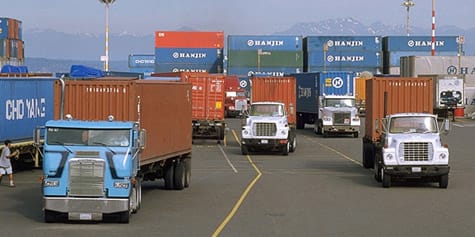
Labor interests and the trucking industry continue to battle it out over harbor trucking. (Photo courtesy of the Port of Seattle)
The mandated use of employee drivers at the ports would result in a huge disruption to interstate commerce, one the trucking industry does not have deep enough pockets for
, said Curtis Whalen, executive director of the Intermodal Motor Carriers Conference of the American Trucking Associations.
The debate over harbor trucking and the issue of whether the ports should ban owner-operators continued Tuesday during a presentation at the 10th Annual Trans-Pacific Maritime Conference in Long Beach, Calif.
Whalen argued that if the ban on independent contractors gets through court challenges and becomes part of the Port of Los Angeles' Clean Truck Program, it would result in a fundamental restructuring of the business surrounding port commerce.
Some ports, including the Port of Los Angeles, are trying to get Congress to amend the Federal Aviation Administration Authorization Act, which prohibits states from enacting and enforcing laws that are "related to" motor carrier prices, routes, or services in order to maximize competitive forces in the trucking industry. These ports wish to have the authority to regulate trucking operations at the ports, such as security, congestion and the environment.
If the FAAAA is amended, it would mean the end of the federal pre-emption structure, which protects and enhances interstate commerce, Whalen said. State regulation of trucking would cause significant inefficiencies, increase costs and decrease the level of competition for the industry, he added.
Does it Make Sense for Trucking?
Whalen told attendees that an employee-based model would not be appropriate for the trucking industry, as 72.1 percent of carriers operate six or fewer trucks. Finding the larger companies that would employ these port drivers is not in the numbers, he said.
In addition, port drivers can afford to buy cleaner trucks, Whalen said. He referred to a California Air Resources Board report that found port drivers make 11 percent above the 2006 California per capita income of $38,127 a year. In addition, the bulk of motor carriers' costs, about 70+ percent of their revenue, goes to paying drivers, he said. "This is a different kind of industry than those supporting the owner-operator ban think it is."
The Labor Dispute
When the Ports of Los Angeles and Long Beach first adopted their Clean Truck Programs, they aimed to cut emissions by 80 percent by 2012. Today, both are nearing their goal, with about 8,000 clean trucks in their harbors, Whalen said. Even with the injunction against the Port of Los Angeles' owner-operator ban, the ports are cleaning the air. Whalen said that with the environmental issues falling into place, the key issue at play is that owner-operators cannot be organized under law. "It's the classic battle between labor versus management," Whalen said.
"It's been said that ports are the place old trucks go to die," said Chuck Mack, chair of the Western Conference Teamster Pension Trust for the Teamsters union, who also presented at TPM.
Mack argued that after deregulation of the trucking industry in the 1980s, union workers were pushed out of good jobs, as the industry was flooded by "fly-by-night" small companies battling over who could pay workers less. "This system has brought deadly consequences, not just economic."
He said the owner-operator model was a scheme concocted by motor carriers to get drivers to pay for the trucks. According to Mack, trucking companies essentially shift all costs and responsibility of owning a truck onto drivers. And with the Clean Truck Programs, those independent contractors are essentially paying for the clean trucks, he added.
"Today, the nation's port drivers are on the front lines," he said. "They should be proud of their jobs, but they're the most exploited drivers in the nation."
Mack argued that port drivers work 70 to 80 hours a week for low wages, have no health insurance, breathe in diesel fumes and operate in dangerous conditions.
Having a Choice
"Why would someone become an owner-operator if it's as bad as my colleague makes it out to be?" asked Whalen. "Go do something else."
Whalen disagreed with Mack's take on the owner-operator model. He noted the current system is not just made up of owner-operators, but is a mixture of independent contractors and employee drivers.
"What we want is to maintain that choice," Whalen said. "[Owner-operators] like their trucks, and they don't want to be employees."
Conference attendees also seemed to believe that the current model is working. When asked, "Is the current harbor trucking regime based on owner-operator drivers adequately serving the needs of cargo interests?," 78.4 percent answered yes, while 19.6 percent responded no. When asked if a clean truck program should mandate the use of employee drivers, 86.7 percent of attendees said no, while 11.3 percent answered yes.
More Fleet Management
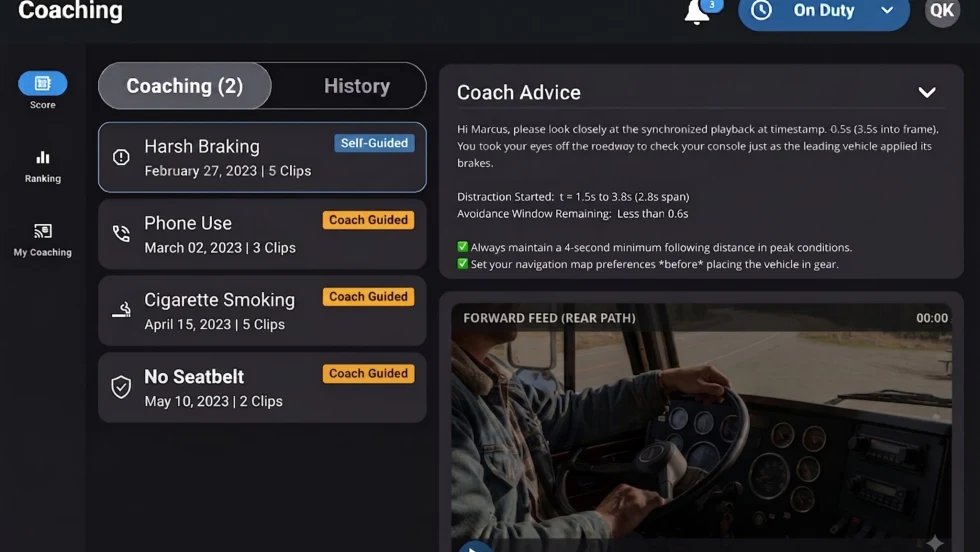
Platform Science Adds Dispatch and Safety Tools
Four additions to PS Fleet help fleets monitor loads, manage driver coaching, share truck locations and adjust video system settings.
Read More →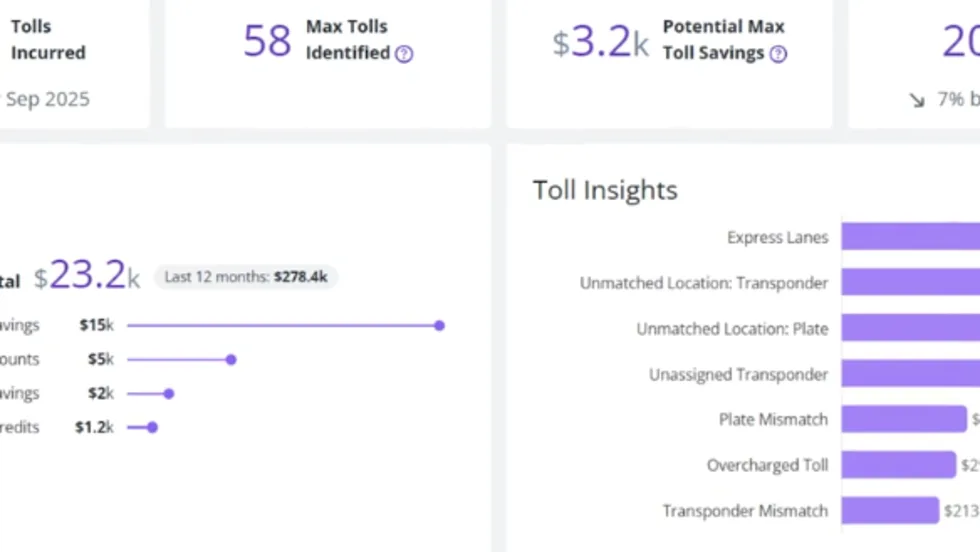
PrePass Intelligence Mines Fleet Bypass, Toll and Safety Data
PrePass Intelligence helps fleets measure bypass savings, flag potential toll overcharges, and spot suspicious transactions by combining data from separate systems.
Read More →
Motive Adds AI Agents for Fleet Operations
New tools automate follow-up on fleet data, from maintenance work orders to driver alerts, with two-way voice conversations planned for later this year.
Read More →
Can You Beat Our Trucking Trivia Challenge?
Test your truck knowledge with 19 trivia questions from Heavy Duty Trucking Exchange. Can you keep up with the fleet pros?
Read More →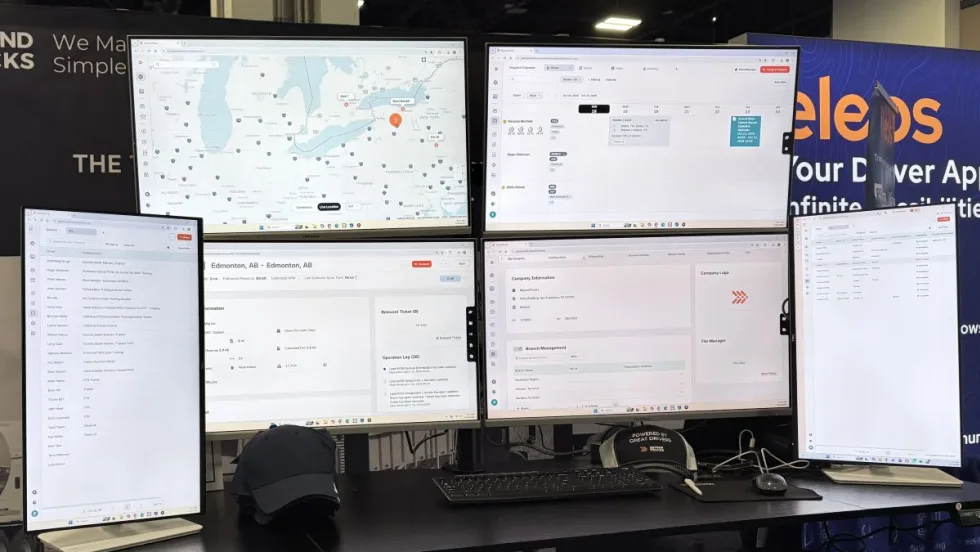
BeyondTrucks Adds Rules Checks to Dispatch
New Compatibility Engine checks driver qualifications, equipment requirements and fleet policies before loads are dispatched.
Read More →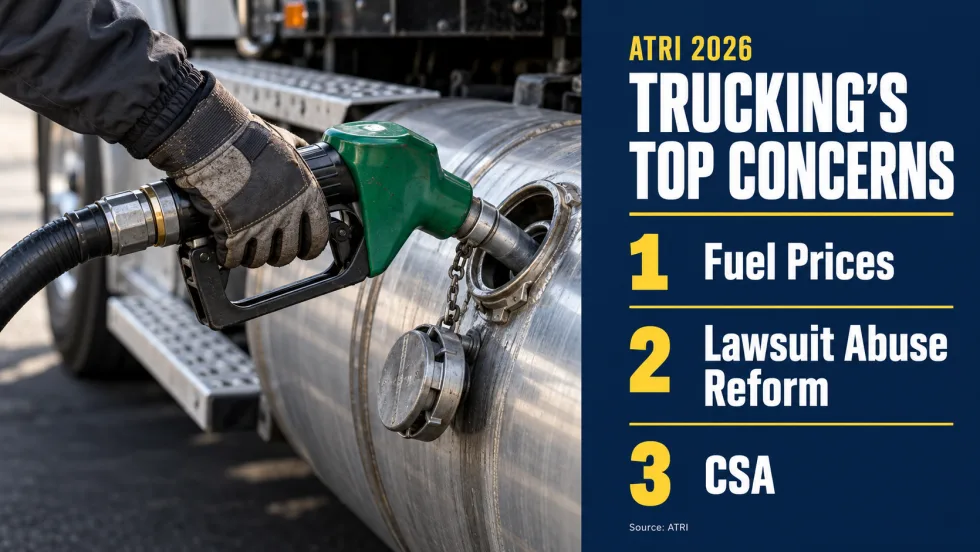
Diesel Prices Hijack Trucking’s Worry List
ATRI’s annual survey finds cautious optimism about freight, but diesel costs, litigation, and insurance continue to squeeze fleets. Drivers have different priorities on several issues.
Read More →
Nomination Deadline Extended for HDT Emerging Leaders
Just a few more days to nominate accomplished trucking fleet professionals under 40 who are making an impact and helping lead the industry forward for the HDT Emerging Leaders award. Deadline extended to October 20!
Read More →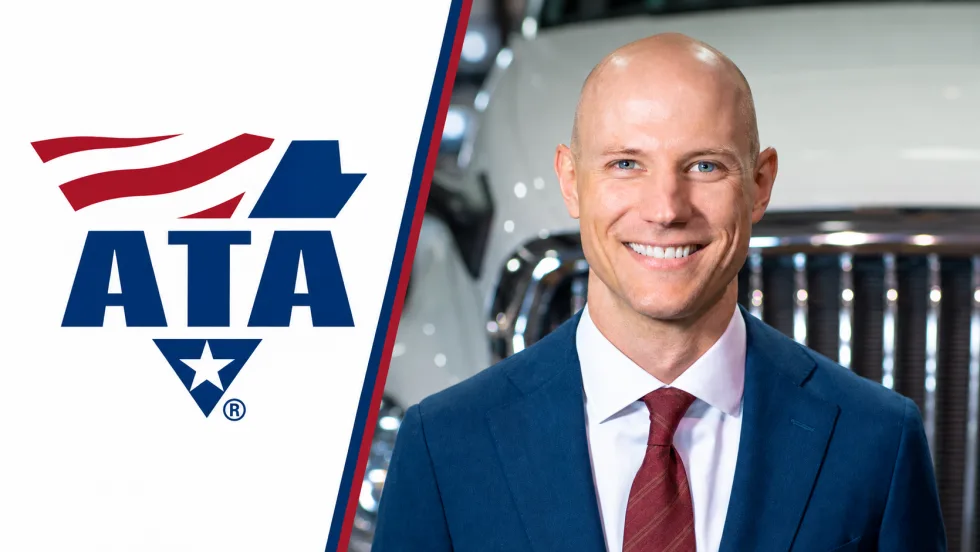
What Will ATA’s New Leader Bring to Trucking's Table?
Incoming President and CEO Mark Colson’s record in Alabama offers clues about his priorities and approach following Chris Spear’s abrupt departure as the head of the American Trucking Associations.
Read More →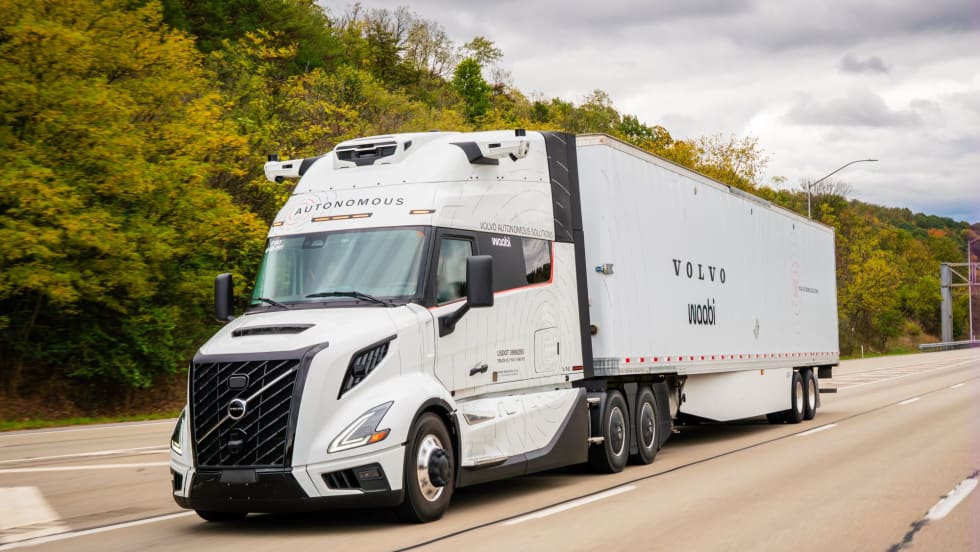
Volvo, Waabi Start Commercial Autonomous Operations in Texas
Volvo VNL Autonomous trucks, powered by the Waabi Driver, are hauling freight directly to third-party facilities for a customer in Texas.
Read More →
Samsara Launches Custom AI Agent Builder
Agent Studio lets fleets create AI tools for hours-of-service monitoring, reporting and driver support, including agents that communicate by phone.
Read More →