




Port of Seattle Takes 200 Dirty Trucks Off the Roads
The Port of Seattle has scrapped 200 older, higher-emissions trucks since the launch of the Scrappage and Retrofits for Air in Puget Sound (SCRAPS) program
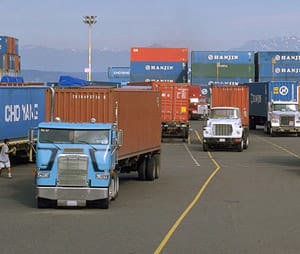
The Scrappage and Retrofits for Air in Puget Sound (Scraps) program hopes to get 250 trucks with pre-1994 engines off the road. It's already reached 200. (Photo courtesy of Port of Seattle)
The Port of Seattle has scrapped 200 older, higher-emissions trucks since the launch of the Scrappage and Retrofits for Air in Puget Sound (SCRAPS) program.
The program was launched last November with the goal of taking at least 250 container-hauling, or "drayage," trucks with pre-1994 engines off the road.
"Removing 200 of the dirtiest trucks from the road is a big milestone," said Tay Yoshitani, Port of Seattle CEO. "Truck drivers have been able to invest in newer, cleaner trucks - trucks that improve air quality for our neighbors while moving cargo through our gateway to markets across the globe."
Through the program, truckers receive $5,000 or the blue book value of their truck -- whichever is greater -- in return for scrapping their old truck.
The Puget Sound Clean Air Agency developed the SCRAPS program using grant funding from the Port of Seattle and contracted its implementation to Cascade Sierra Solutions, an Oregon-based non-profit organization. The program was designed to support the goals of the Northwest Ports Clean Air Strategy, which aims to lower emissions from all sectors of maritime operations.
The program uses a combination of grant funding from the Port of Seattle, the Washington Department of Ecology, and the Clean Air Agency. Truckers have the option of taking their buy-back money and purchasing a newer truck with loan assistance from Cascade Sierra Solutions, purchasing their replacement truck from a third party, or leaving the drayage trucking industry altogether, as nearly 10 percent of the participants have done.
As of its most recent accounting period last month, the program has spent $910,000 to take pre-1994 trucks off the road.
"Every dirty truck scrapped through this program makes a difference for our air quality, and more importantly, to the health of those who live and work in areas adjacent to the port," said Jim Nolan, interim executive director of the Puget Sound Clean Air Agency. "The two hundred trucks scrapped to date will remove 2.8 tons of toxic particle pollution from the air each year, and no doubt save lives."
More Fleet Management

How Telematics Improves Visibility, Control, and Performance in Refrigerated Fleets
Explore how telematics help refrigerated fleets improve visibility, uptime, efficiency, compliance, and cargo protection across connected cold chain operations.
Read More →
What the U.S.-Canada Trade War Means for Trucking
Escalating U.S.-Canada tariffs could disrupt cross-border freight, reduce truck volumes, raise costs, and create new uncertainty for carriers on both sides of the border.
Read More →
What Are Trucking’s Top Concerns for 2026?
The American Transportation Research Institute wants to know what's worrying trucking fleet managers, drivers, and other stakeholders in its annual Industry Issues survey.
Read More →

American Trucking Associations Looks for a New Leader
ATA President and CEO Chris Spear abruptly left his job at the association on August 21, at a pivotal time for the trucking industry.
Read More →
Public Wi-Fi Cybersecurity Risks: How Truck Drivers and Fleets Can Protect Their Data
Public Wi-Fi can expose truck drivers and fleets to credential theft, malware, and other cyber threats. Here’s how to reduce the risk on the road.
Read More →
For Nicky Cupp, Fleet Innovation Starts With Frustration
HDT Truck Fleet Innovator Nicky Cupp turns everyday pain points at Fraley & Schilling into opportunities for better technology and smarter processes.
Read More →
Adam Buttgenbach’s Approach to Electric Trucks: Start With Where They Fit
HDT Truck Fleet Innovator Adam Buttgenbach helped PepsiCo build one of North America’s largest EV fleets by focusing on where electric trucks make operational sense.
Read More →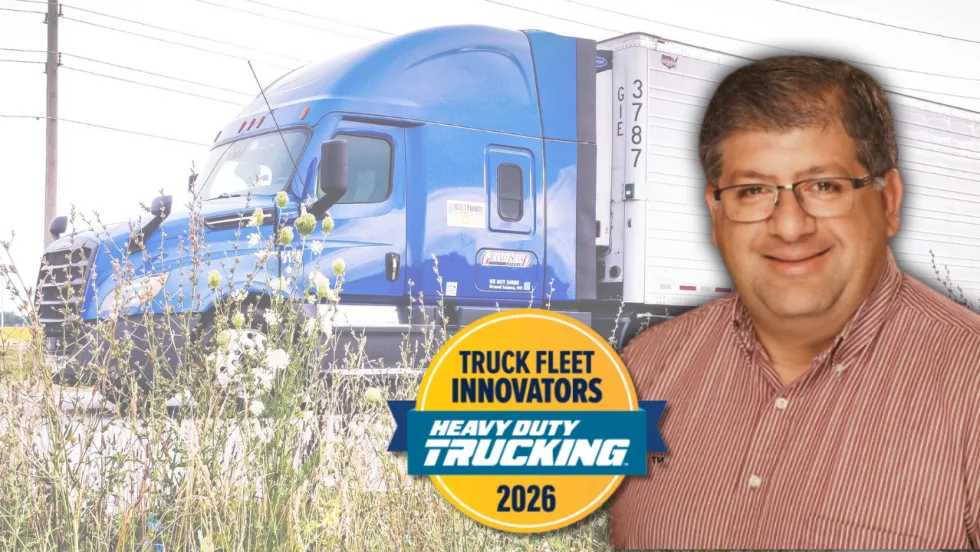
Deen Albert: Let Automation Do the Math, People Make the Decisions
HDT Truck Fleet Innovator Deen Albert makes sure people are still at the heart of operations at Grand Island Express, even while adopting artificial intelligence tools. AI-assisted dispatch helped boost revenue 25% with the same number of trucks.
Read More →
Trimble’s New AI Agent Takes Aim at Fleet Back-Office Busywork
Arc Agent works across Trimble TMS products to automate repetitive tasks such as freight orders, maintenance, invoices, fuel costs and more.
Read More →
How HDT’s 2026 Truck Fleet Innovators Are Rethinking Fleet Operations
Meet five trucking leaders who are challenging assumptions, solving operational problems, and putting innovative ideas to work.
Read More →