




Port of NY/NJ Finalizes Anticipated Clean Truck Program
Wednesday the Port Authority of New York and New Jersey announced the details of its anticipated clean truck program, which involves replacing up to 636 older, polluting trucks serving the port with newer models
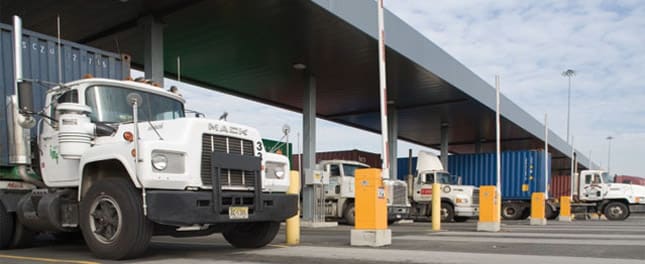
Starting Jan. 1, 2011, the Port of NY/NJ will phase out pre-1994 model trucks, which will no longer be able to call on Port Authority marine terminals. (Photo courtesy of the Port Authority of New York/New Jersey)
Wednesday the Port Authority of New York and New Jersey announced the details of its anticipated clean truck program, which involves replacing up to 636 older, polluting trucks serving the port with newer models.
The initiative also involves a $28 million grant and financial assistance program designed to encouraged owners of pre-1994 drayage trucks to trade in their old models for newer ones. This is partly funded by a $7 million EPA grant, with the remainder coming from Port Authority funds.
The agency also announced a truck phase-out plan in which pre-1994 model trucks would no longer be able to call on Port Authority marine terminals starting Jan. 1, 2011. Trucks not equipped with engines that meet or exceed 2007 federal emissions standards will no longer be able to call on the Port Authority marine terminals beginning on Jan. 1, 2017.
While the mayors of New York and Newark have supported efforts of the Port of Los Angeles to regulate drayage trucking, and specifically, its plan for an employee driver-based program, the states' new clean truck program does not include such an initiative. The American Trucking Associations issued a statement congratulating the Port Authority on its decision not to include a ban on owner-operators.
"I would like to express our appreciation to the leadership of the Port Authority of New York and New Jersey who managed the development of this Clean Truck initiative," said Curtis Whalen, executive director of the Intermodal Motor Carriers Conference of the ATA. "While the stakeholder participants often did not totally agree on the program specifics, all were given the opportunity to express their views and in the end consensus was reached to move ahead with a plan to reduce emissions through a subsidized program aimed at modernizing the port's truck drayage fleet."
"We have worked closely with all stakeholders to make sure that this new program will help clean up the pollution at our ports, and, in the process, ensure that we do not overburden our already struggling port and trucking industry," said Chris Ward, Port Authority executive director.
"Given the continuing effects of the recession that still grips our country and this region, the Port Authorities should be sensitive to the current economic conditions, including the very uncertain levels of future freight volumes, in determining the appropriate timing for full implementation of the program," Whalen added. "While fully supportive of the clean air goals, the drayage industry is in a particularly vulnerable position that may counsel for a go-slow approach until the economic climate improves."
Under the program, trucks drivers will be eligible for:
* A 25 percent grant toward the total purchase price of a replacement truck - averaging between $20,000 and $60,000 - which must be model year 2004 to 2008, equipped with an engine model year 2004 to 2007.
* Low-interest financing (5.25 percent over five years) for up to 75 percent of the total purchase price of a replacement truck.
The Truck Replacement Program is part of the Clean Air Strategy for the Port of New York and New Jersey, developed by the Port Authority in partnership with a broad group of port industry leaders, federal and state regulatory agencies, city officials and environmental groups to develop strategies to reduce emissions from all port related sources and improve air quality in the region.
"The financial assistance to replace older diesel-spewing trucks at the New York-New Jersey port is a significant incentive during difficult economic times," said U.S. Sen. Robert Menendez, D-N.J. "In the most densely populated state in the nation, our communities have long suffered from truck pollution. This important investment in newer trucks will reduce pollution not only around our port; New Jerseyans will benefit from cleaner air where we live and work."
For more information about the program and about the application process, visit www.replacemytruck.org, or for spanish go to www.cambiamicamion.org.
More Fleet Management
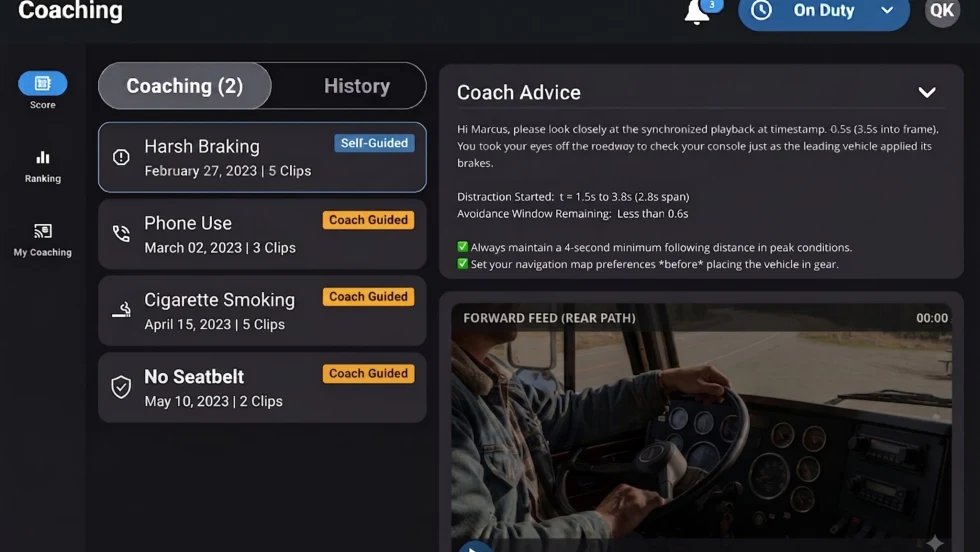
Platform Science Adds Dispatch and Safety Tools
Four additions to PS Fleet help fleets monitor loads, manage driver coaching, share truck locations and adjust video system settings.
Read More →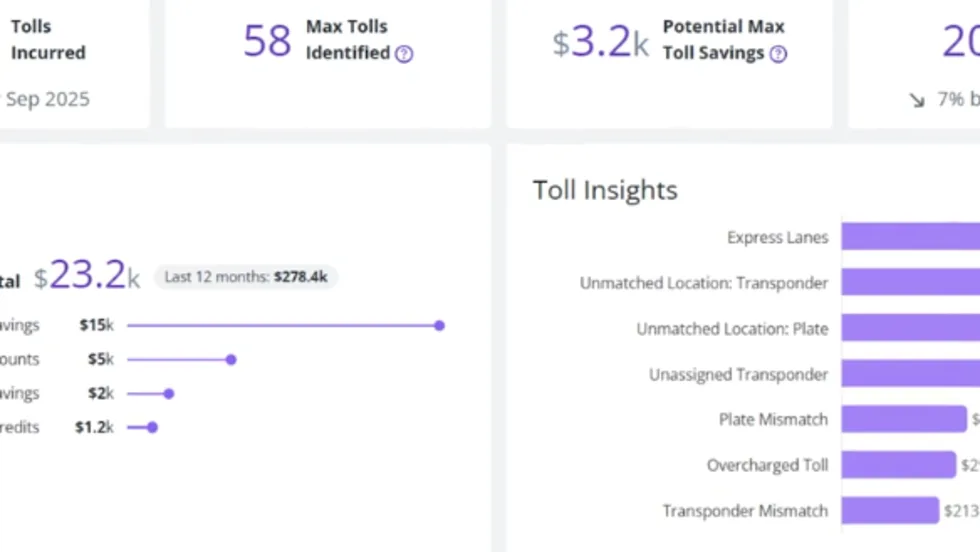
PrePass Intelligence Mines Fleet Bypass, Toll and Safety Data
PrePass Intelligence helps fleets measure bypass savings, flag potential toll overcharges, and spot suspicious transactions by combining data from separate systems.
Read More →
Motive Adds AI Agents for Fleet Operations
New tools automate follow-up on fleet data, from maintenance work orders to driver alerts, with two-way voice conversations planned for later this year.
Read More →
Can You Beat Our Trucking Trivia Challenge?
Test your truck knowledge with 19 trivia questions from Heavy Duty Trucking Exchange. Can you keep up with the fleet pros?
Read More →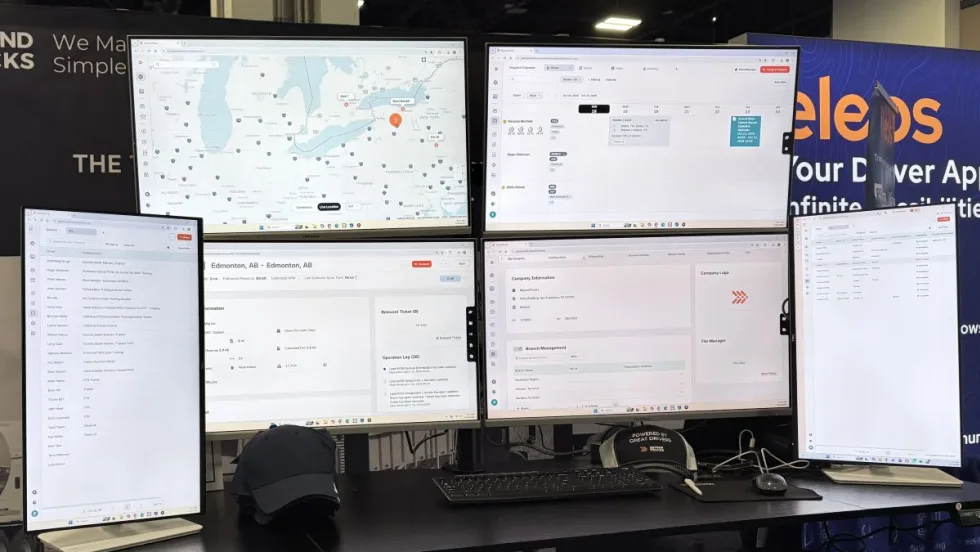
BeyondTrucks Adds Rules Checks to Dispatch
New Compatibility Engine checks driver qualifications, equipment requirements and fleet policies before loads are dispatched.
Read More →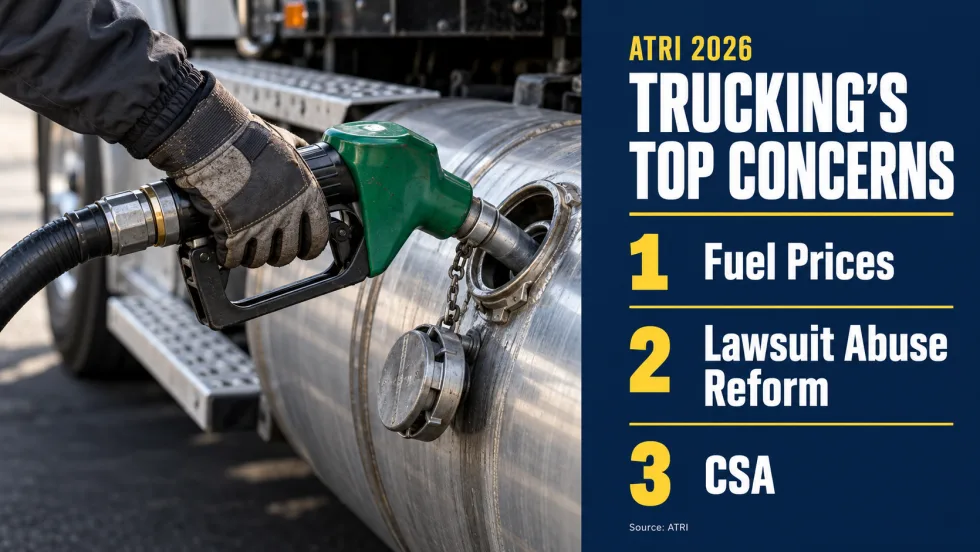
Diesel Prices Hijack Trucking’s Worry List
ATRI’s annual survey finds cautious optimism about freight, but diesel costs, litigation, and insurance continue to squeeze fleets. Drivers have different priorities on several issues.
Read More →
Nomination Deadline Extended for HDT Emerging Leaders
Just a few more days to nominate accomplished trucking fleet professionals under 40 who are making an impact and helping lead the industry forward for the HDT Emerging Leaders award. Deadline extended to October 20!
Read More →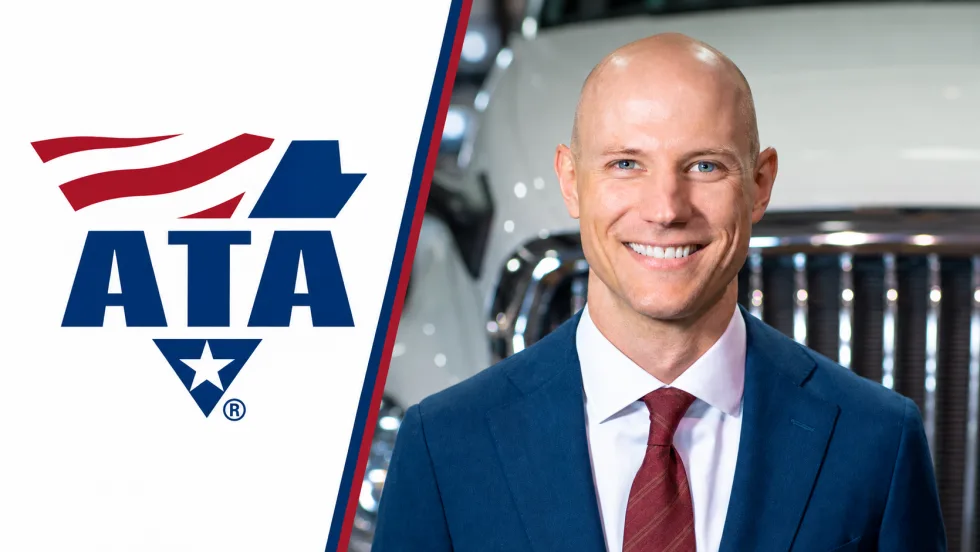
What Will ATA’s New Leader Bring to Trucking's Table?
Incoming President and CEO Mark Colson’s record in Alabama offers clues about his priorities and approach following Chris Spear’s abrupt departure as the head of the American Trucking Associations.
Read More →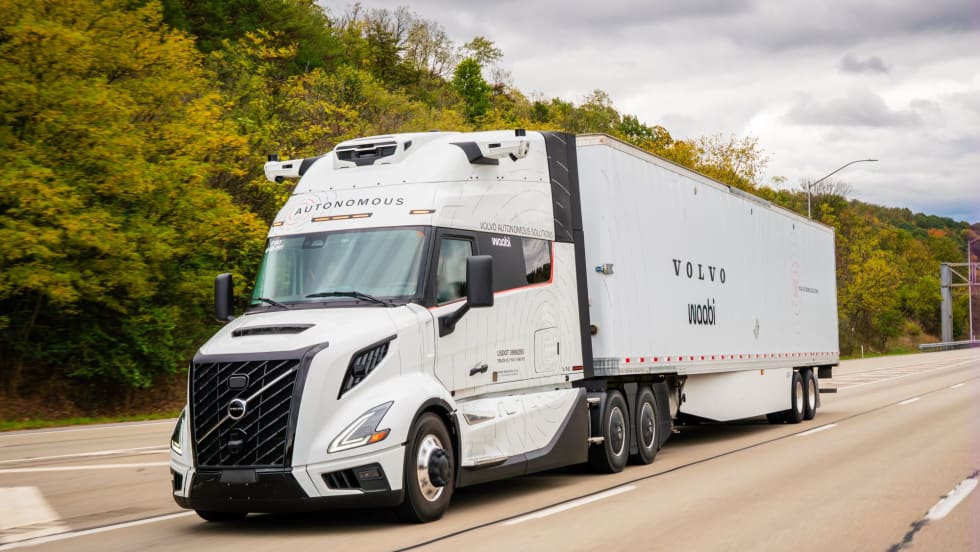
Volvo, Waabi Start Commercial Autonomous Operations in Texas
Volvo VNL Autonomous trucks, powered by the Waabi Driver, are hauling freight directly to third-party facilities for a customer in Texas.
Read More →
Samsara Launches Custom AI Agent Builder
Agent Studio lets fleets create AI tools for hours-of-service monitoring, reporting and driver support, including agents that communicate by phone.
Read More →