




NMFTA Developing API 'Roadmap' for LTL Shipment Data
The Digital LTL Council, a division of the National Motor Freight Traffic Association, is developing a complete application program interface (API) roadmap to cover the LTL shipment data stream.

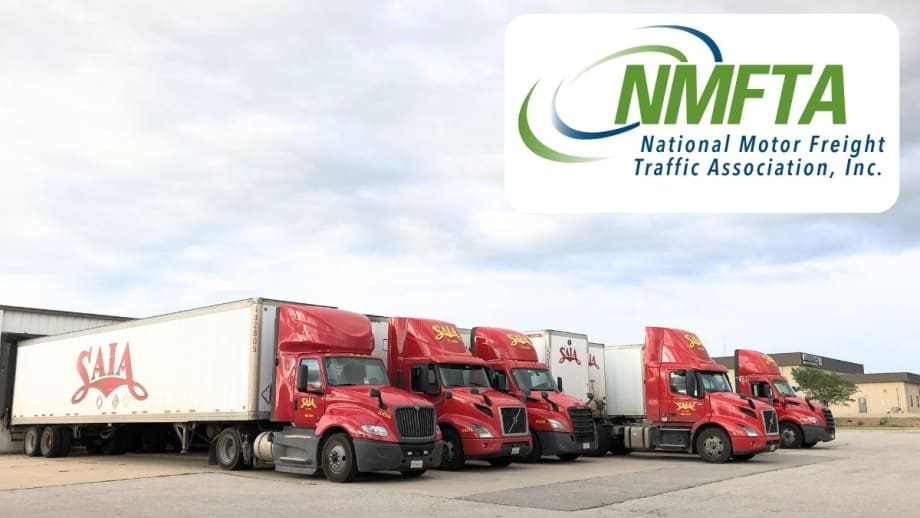
The NMFTA's Digital LTL Council is developing a complete API roadmap for LTL shipping.
Graphic: Canva/Jim Park/NMFTA
The Digital LTL Council, a division of the National Motor Freight Traffic Association, is developing a complete application program interface (API) roadmap to cover the full LTL shipment data stream — from quote to cash.
When complete, the resulting downloadable APIs will make it possible for shippers, carriers, and 3PLs to perform every function within the LTL shipment data stream digitally, according to the announcement.
APIs provide a digital method to allow multiple computer programs to communicate with each other. The standard API definitions being developed in this effort will smooth the way for various players in the LTL industry to interact in a variety of ways through their respective computer systems, NMFTA said in a press release.
Driving Efficiency in Less-Than-Truckload
Dolly Wagner-Wilkins, chief technology officer at Worldwide Express, chaired the Digital LTL Council committee that produced the new roadmap. She said the effort will reduce redundancy and work to make the entire LTL industry more effective.
“API standards are key, because they allow everyone in the industry to build APIs one time and use the same API for all their partners, versus taking the time and spending money to build to each partner’s specifications,” Wagner-Wilkins said. “This enables faster digitization, which in turn greatly reduces errors and improves visibility of pickups, shipments, and charges between carriers and shippers.”
The effort is an expansion on an initiative that is now nearing completion, in which the council established industry-wide standards for electronic bills of lading (eBOL) and led what it said was a successful effort to promote adoption of the standard.
Digital LTL Council Executive Director Paul Dugent said the eBOL effort showed APIs "almost eliminating the manual entry of information into the carriers’ billing system and thereby eliminating keying errors and reducing the overall number of mistakes.
The API roadmap "will greatly improve the efficiency of the industry,” he added.
The APIs
The new program will establish seven operational APIs and two administrative APIs.
The seven operational APIs will be:
Rate quotes
Electronic bills of lading
Pickup requests and pickup visibility
In-transit visibility
Preliminary rate charges
Financial rate disputes
Cargo loss and damage claims
The two administrative APIs will be:
Document retrieval
Carrier route guides
Once implemented on an industry-wide basis, the initiative will eliminate time-wasting phone calls and other inefficiencies, including communication mishaps that arise from problems in shipping.
Geoff Muessig, the Digital LTL Council’s chairman and Pitt Ohio's chief marketing officer and executive vice president, said LTL carriers do a very good job advising shippers and 3PLs by digital communication when shipment milestones have been successfully passed.
But where LTL carriers can improve is in using that same digital communication when a shipment exception arises.
"This includes a pickup that was missed, or a shipment misrouted, or additional charges such as a liftgate fee added to an invoice," Muessig explained. "These new real-time APIs will allow carriers to communicate shipment and invoice exceptions as they happen, thereby reducing costs and improving service for all parties."
Member Feedback
The process is in the early stages and NMFTA is gathering its members to seek their thoughts on how to prioritize the nine APIs, as well as how to get the details right.
“As we move forward, we will prioritize the APIs outlined on our roadmap and publish more standards until we have digitized the entire LTL shipment and billing flow,” Wagner-Wilkins said. “The faster we all adopt the APIs, the faster we will see benefits as an industry."
NMFTA Executive Director Debbie Ruane Sparks said the API roadmap project is a natural next step after the eBOL standard.
Carriers already implementing the eBOL standard include Dayton Freight Lines, Estes Express Lines, Old Dominion Freight Line, Pitt Ohio, R+L Carriers, Roadrunner Transportation, Southeastern Freight Lines, and TFI International which represent 37% of revenue in the LTL industry.
“These APIs will serve as a welcomed change to carriers who want to digitize but struggle with the time or the expertise to develop their own digital tools," Sparks said. "Now they won’t have to. They can download the ones we will offer, and that will mean the entire industry is harmonized and operating according to the same standard."
More Fleet Management

Kodiak Lines Up Fleets for Driverless Trucking
An agreement for 75 trucks, a new Texas freight lane, and progress on safety validation move Kodiak closer to its planned driverless highway launch.
Read More →
ITS Logistics Settles Religious Harassment Case
The Nevada-based logistics firm agreed to pay more than $396,000 to settle a religious harassment charge involving an employee's Jewish identity.
Read More →
Your Trucks Are Busy. That Doesn’t Mean They’re Winning.
High utilization doesn’t always mean strong margins. Looking beyond the current load can help fleets make better dispatch decisions and get more value from each truck’s time.
Read More →
Why This Trucking Recovery Is Different
Freight demand remains sluggish, but rising costs and tougher enforcement have taken enough capacity out of the market to change the outlook for motor carriers.
Read More →
Platform Science Adds Dispatch and Safety Tools
Four additions to PS Fleet help fleets monitor loads, manage driver coaching, share truck locations and adjust video system settings.
Read More →
PrePass Intelligence Mines Fleet Bypass, Toll and Safety Data
PrePass Intelligence helps fleets measure bypass savings, flag potential toll overcharges, and spot suspicious transactions by combining data from separate systems.
Read More →
Motive Adds AI Agents for Fleet Operations
New tools automate follow-up on fleet data, from maintenance work orders to driver alerts, with two-way voice conversations planned for later this year.
Read More →
Can You Beat Our Trucking Trivia Challenge?
Test your truck knowledge with 19 trivia questions from Heavy Duty Trucking Exchange. Can you keep up with the fleet pros?
Read More →
BeyondTrucks Adds Rules Checks to Dispatch
New Compatibility Engine checks driver qualifications, equipment requirements and fleet policies before loads are dispatched.
Read More →
Diesel Prices Hijack Trucking’s Worry List
ATRI’s annual survey finds cautious optimism about freight, but diesel costs, litigation, and insurance continue to squeeze fleets. Drivers have different priorities on several issues.
Read More →