




New Intermodal Facility Planned Near Savannah
A new port facility proposed for South Carolina could mean more work for port truckers in the Savannah, Ga., area
A new port facility proposed for South Carolina could mean more work for port truckers in the Savannah, Ga., area.
A court ruling last week paved the way for the project to advance. The Georgia Department of Transportation owns the land just up the Savannah River on the other side of the state line. The agency had sued to block Jasper County, South Carolina's attempt to condemn the property and lease it to a subsidiary of Stevedoring Service of America, which plans to build a container terminal there. However, a judge dismissed the case, saying Jasper County's actions were "clearly a valid county public purpose within the meaning of the law."
The property is south of U.S. Highway 17 on the South Carolina side of the Savannah River and downstream of the Georgia Ports Authority's Garden City container terminal.
The Journal of Commerce noted that the project would "add a new player in the heated competition between the ports of Savannah and Charleston."
An SSA representative told the paper that "there will be plenty of cargo to go around."
Georgia is expected to appeal the ruling, and the project still may have to go through an environmental impact statement as well as the federal and state permitting process.
Jim Stewart, a spokesman for port truckers in Savannah, told Truckinginfo that a new port would double, if not triple, the number of truckers in the area, and would relieve congested city streets of much truck traffic on the Savannah side of the river. He expressed hopes that before construction, owners of the new facilities would be open to suggestions from port truckers to help make operations run smoothly.
More Fleet Management
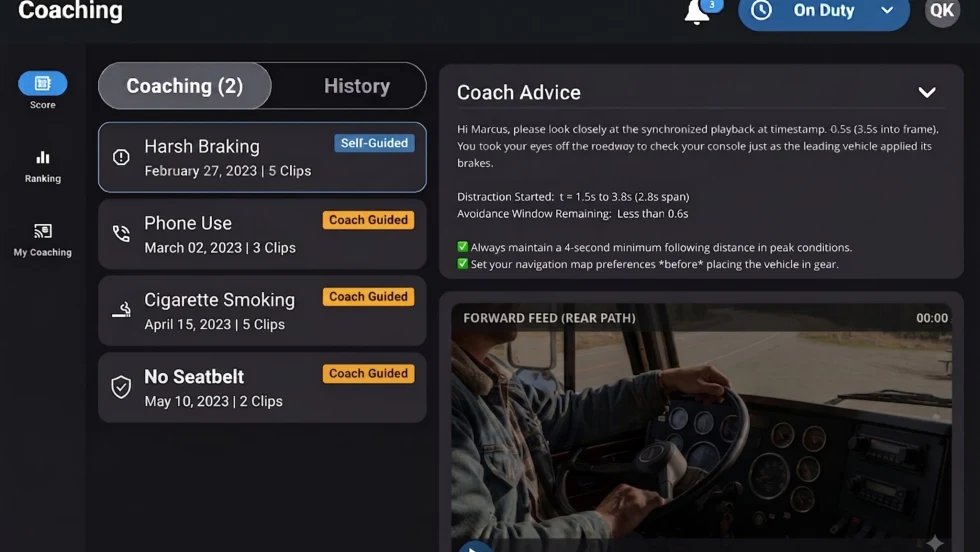
Platform Science Adds Dispatch and Safety Tools
Four additions to PS Fleet help fleets monitor loads, manage driver coaching, share truck locations and adjust video system settings.
Read More →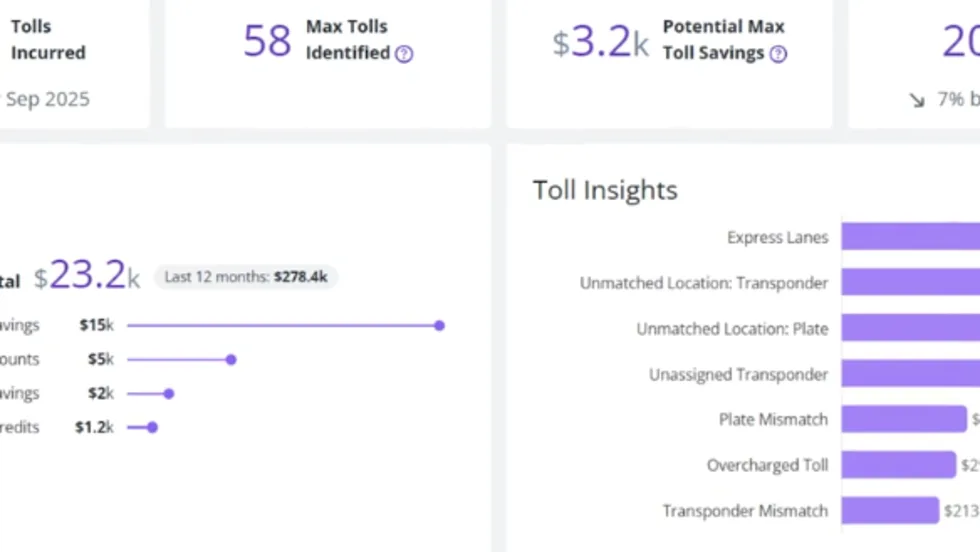
PrePass Intelligence Mines Fleet Bypass, Toll and Safety Data
PrePass Intelligence helps fleets measure bypass savings, flag potential toll overcharges, and spot suspicious transactions by combining data from separate systems.
Read More →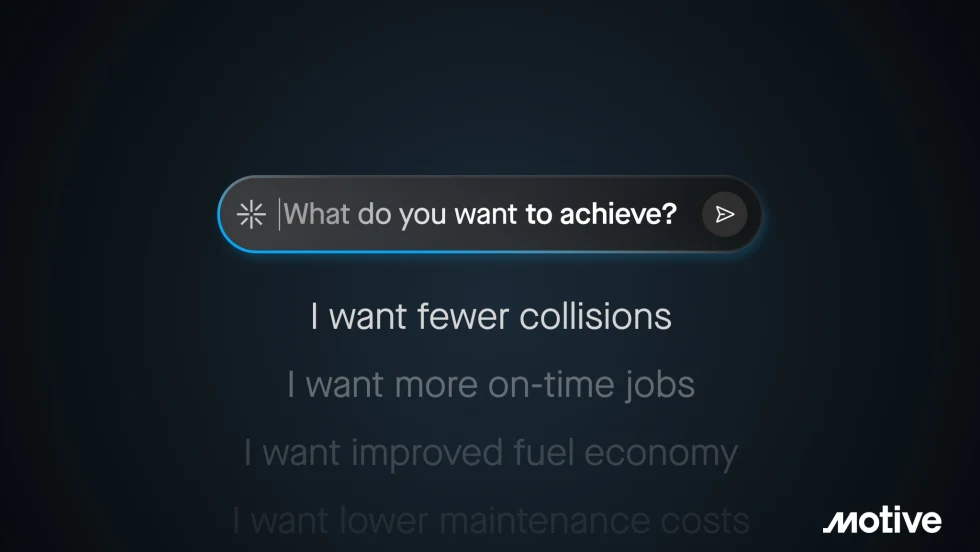
Motive Adds AI Agents for Fleet Operations
New tools automate follow-up on fleet data, from maintenance work orders to driver alerts, with two-way voice conversations planned for later this year.
Read More →
Can You Beat Our Trucking Trivia Challenge?
Test your truck knowledge with 19 trivia questions from Heavy Duty Trucking Exchange. Can you keep up with the fleet pros?
Read More →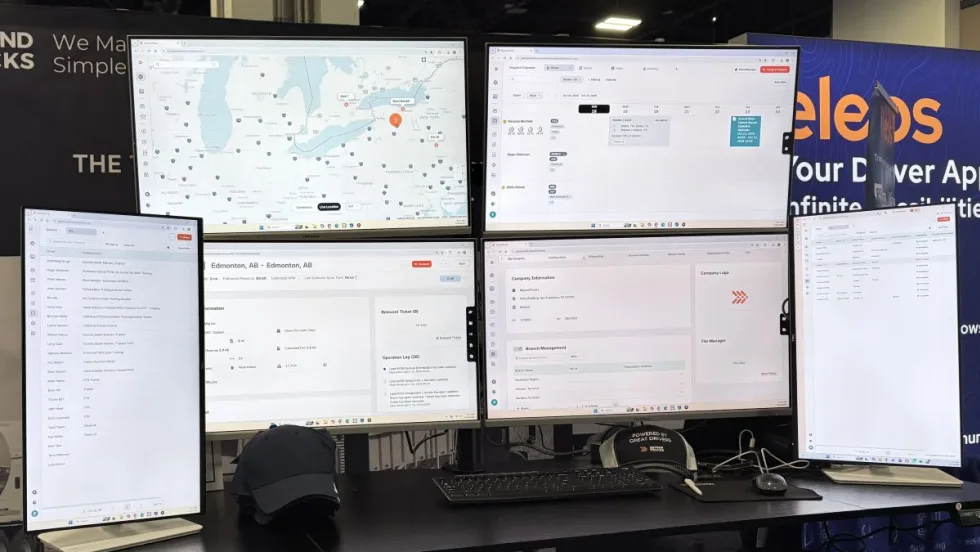
BeyondTrucks Adds Rules Checks to Dispatch
New Compatibility Engine checks driver qualifications, equipment requirements and fleet policies before loads are dispatched.
Read More →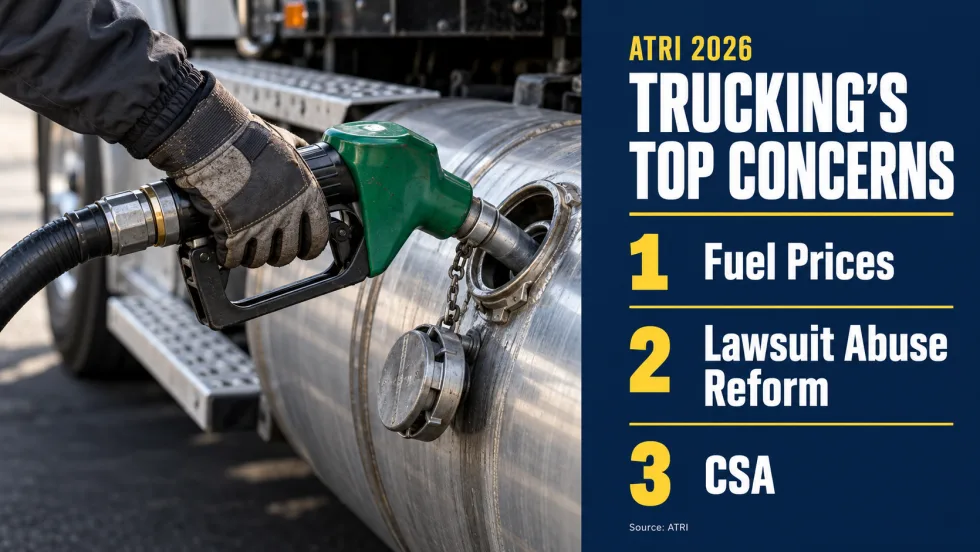
Diesel Prices Hijack Trucking’s Worry List
ATRI’s annual survey finds cautious optimism about freight, but diesel costs, litigation, and insurance continue to squeeze fleets. Drivers have different priorities on several issues.
Read More →
Nomination Deadline Extended for HDT Emerging Leaders
Just a few more days to nominate accomplished trucking fleet professionals under 40 who are making an impact and helping lead the industry forward for the HDT Emerging Leaders award. Deadline extended to October 20!
Read More →
What Will ATA’s New Leader Bring to Trucking's Table?
Incoming President and CEO Mark Colson’s record in Alabama offers clues about his priorities and approach following Chris Spear’s abrupt departure as the head of the American Trucking Associations.
Read More →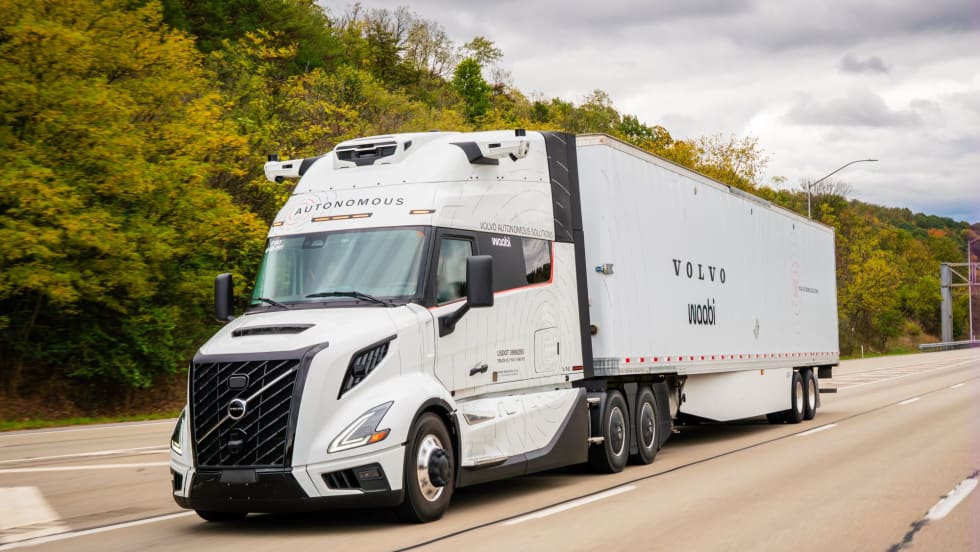
Volvo, Waabi Start Commercial Autonomous Operations in Texas
Volvo VNL Autonomous trucks, powered by the Waabi Driver, are hauling freight directly to third-party facilities for a customer in Texas.
Read More →
Samsara Launches Custom AI Agent Builder
Agent Studio lets fleets create AI tools for hours-of-service monitoring, reporting and driver support, including agents that communicate by phone.
Read More →